Athens may use EU SAFE loans to buy a fourth French FDI frigate, raising debate over whether funds meant to counter Russia should finance Greek-Turkish rivalry.
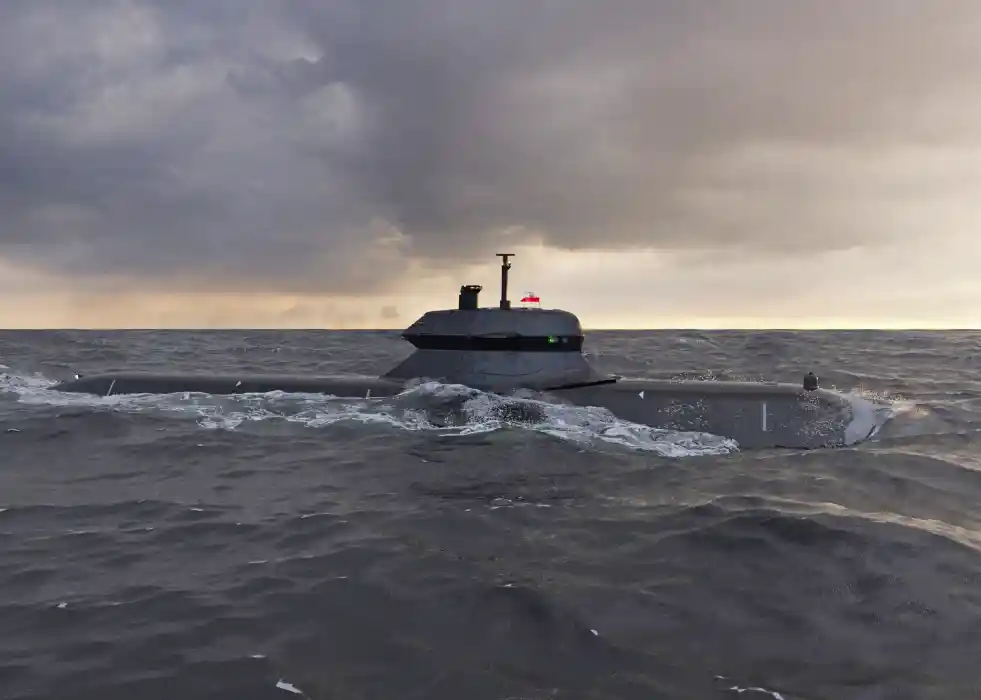
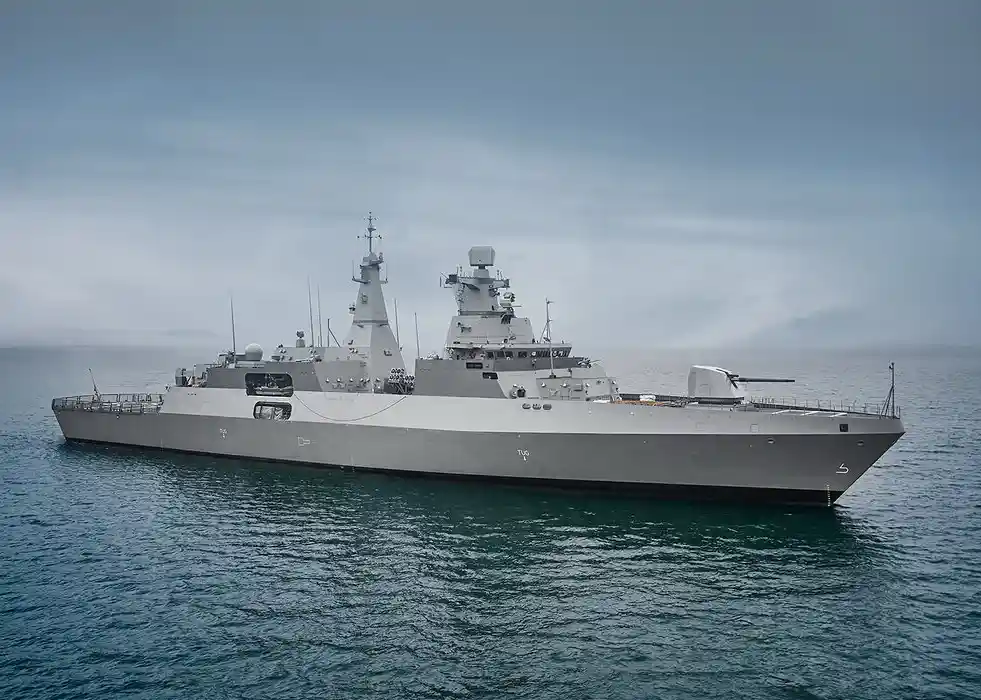
Greece is considering using European Union funding under the SAFE (Security Action for Europe) regulation to finance the acquisition of a fourth FDI-class frigate, to be named Themistocles, officials in Athens confirmed. The proposal, if implemented, would mark the first time Greece channels SAFE loans into a major naval procurement programme — a move that raises questions about whether such funding, designed to counter Russian aggression, should be applied to acquisitions that are primarily directed against Turkiye.
Prime Minister Kyriakos Mitsotakis announced earlier this month that Athens would draw on around €1.2 billion of SAFE-backed loans. The projected cost of the Themistocles falls just under this figure, and ongoing contacts with Paris over industrial cooperation could meet SAFE’s eligibility requirements, which stipulate joint ventures and a minimum share of European content.
Officials said the plan demonstrates the government’s intent to accelerate a programme already approved by the Government Council on Foreign and Defense Affairs. SAFE procedures are expected to conclude in November, though an announcement could come as early as September. If Athens moves ahead, it would require reprioritisation within the 12-year Long-Term Defence Equipment Plan, with potential delays in projects such as general purpose vehicle production.
The Hellenic Navy describes the FDI deal as its largest enhancement in four decades. Greece is already building three frigates in France, all to be modified to carry cruise missiles. The Themistocles will be equipped for that role from the outset, contributing to a final cost expected to exceed the original €980 million estimate.
The government has stressed the importance of boosting domestic participation in the programme. Currently, Greek shipyards and defence companies are involved mostly in low-technology tasks such as welding prefabricated sections, while critical systems — radar, sensors, electronics — are imported. A similar situation applies to MEKO-class upgrades at Skaramangas Shipyards. Officials say the objective is to expand the domestic industrial base while ensuring delivery schedules and advanced capabilities.
Tension over SAFE eligibility
SAFE loans were introduced in 2025 to help EU states respond to Russia’s war in Ukraine and to build collective European defence capacity. Funding rules require projects to strengthen EU or NATO defence priorities, with a minimum 65% of production within Europe.
TurDef questions whether SAFE loans to finance a frigate aimed at enhancing Greece’s deterrent posture in the Aegean could prove politically contentious. Although Athens can frame the project as part of EU maritime security and energy corridor protection, TurDef critics argue it undermines the programme’s “spirit,” which is explicitly tied to countering Russian threats.
Turkiye, while not an EU member, is a NATO ally, and Ankara is likely to view the financing as contradictory to the bloc’s stated goals. European capitals may also question whether allocating funds to bilateral rivalries fits the SAFE framework.
For Greece, however, the move would ease the fiscal burden of naval modernisation while anchoring the FDI programme more deeply into the EU’s defence industrial framework.
Author:Özgür Ekşi