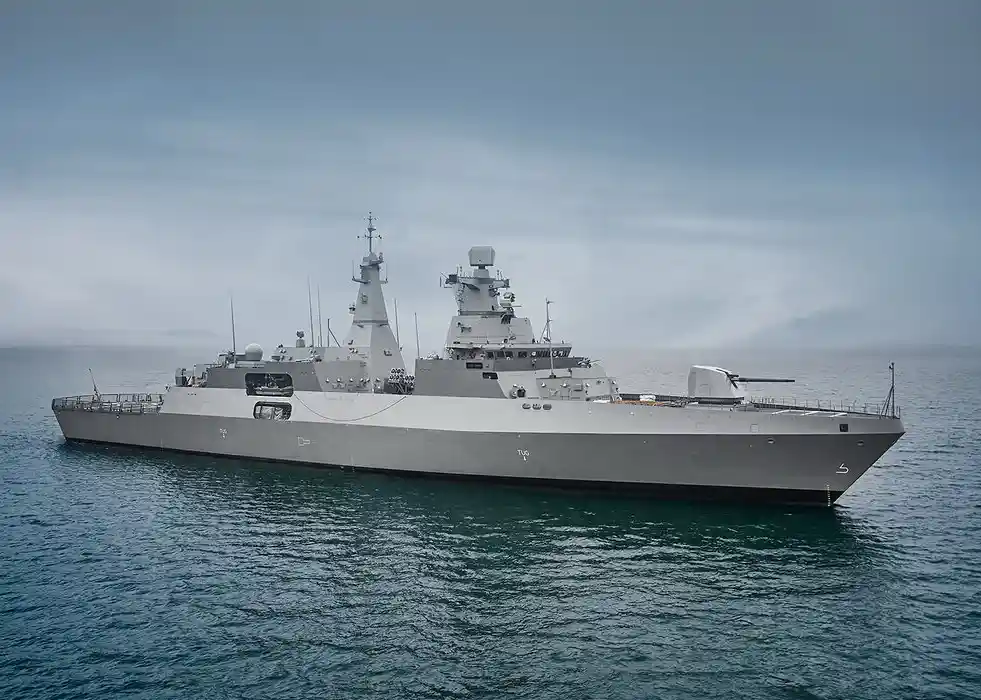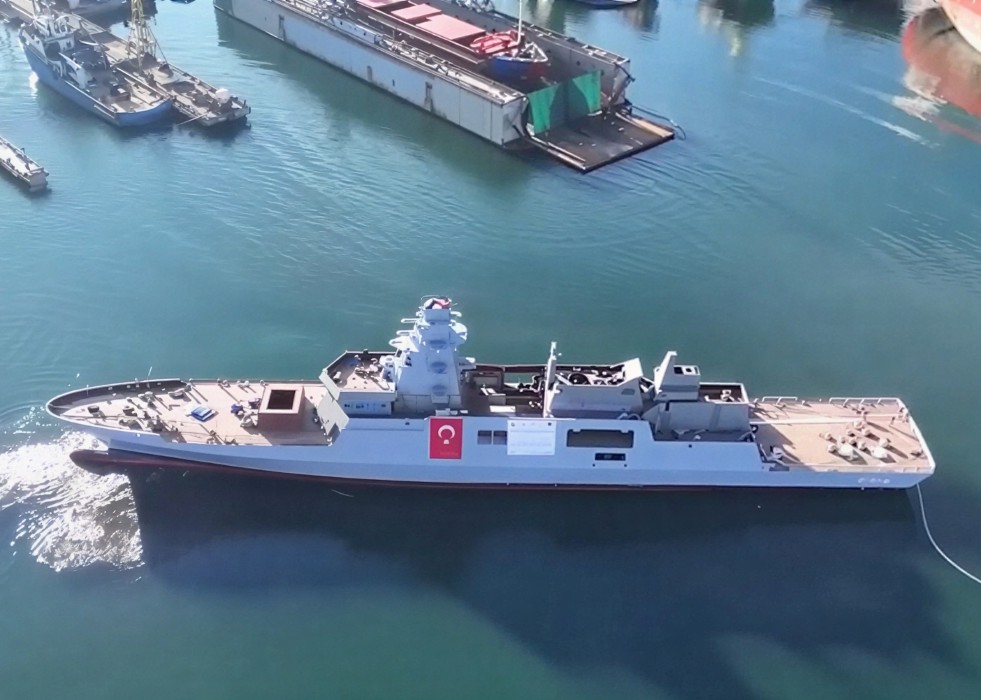
Türkiye’s Ministry of Defence (MoD) addressed the issue during its weekly press briefing, responding to questions regarding the memorandum of understanding (MoU) signed between TAIS Shipyards and Qatar-based Barzan Holdings at DIMDEX 2026 in Doha.
The clarification follows political debate in Türkiye after the MoU became public. Opposition figures argued that the frigates were originally intended for the Turkish Navy and that exporting them would weaken naval capabilities. Türkiye’s Directorate of Communications’ Centre for Combating Disinformation rejected those claims, though its response also drew further political reaction.
Prior to the formal statement, Turkish MoD sources had indicated that existing force structure planning allows for export activity without creating a capability shortfall.
The ministry however stressed that the Qatar-related MoU does not constitute a final agreement and contains no provisions regarding construction or delivery timelines.
The MoD reiterated that the Turkish Armed Forces continuously monitor global and regional developments and plan procurement accordingly, ensuring operational requirements are met. Shipbuilding activities are conducted under a strategy that prioritises the Turkish Navy’s needs while also supporting industrial sustainability and export opportunities.
Planning — including export activities — is carried out in coordination with the Secretariat of Defence Industries, with the objective of maintaining a sustainable naval industrial ecosystem. The ministry underlined that 39 naval platforms are currently under construction simultaneously at Turkish shipyards, describing this as evidence of Türkiye’s ongoing naval modernisation effort.
The MoD concluded that Türkiye’s security, sovereignty and maritime interests remain safeguarded, and that all procurement and export decisions are taken in line with military requirements, national interests and long-term strategic objectives.
Author: Özgür Ekşi