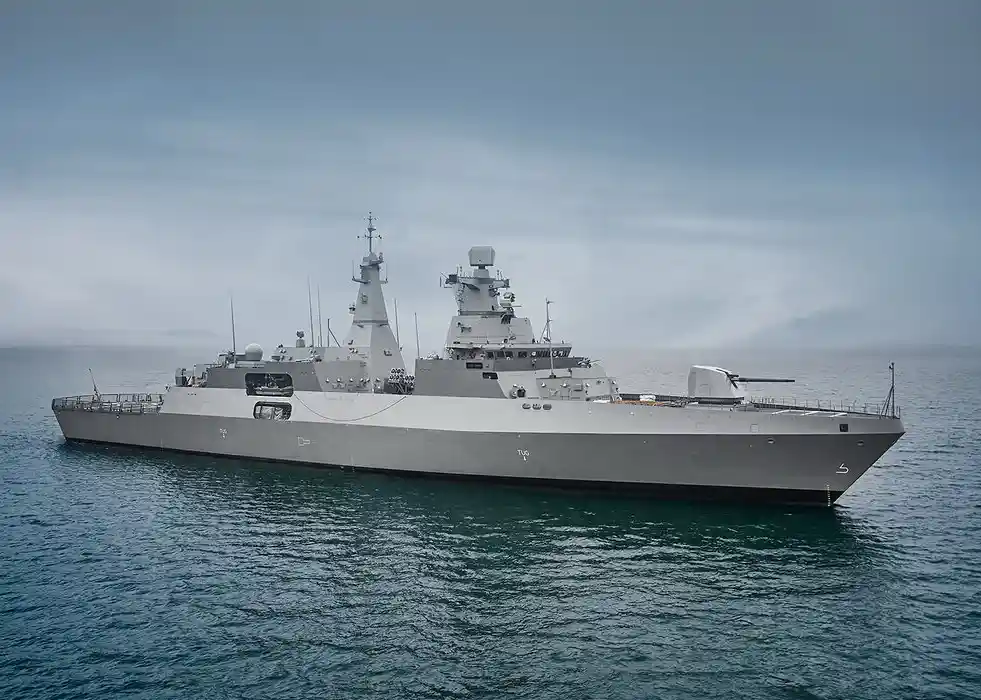
Chief of Staff of the Italian Navy, Admiral Enrico Credendino, stated that there are plans for a nuclear-powered aircraft carrier and various UAVs in 2040.
In his interview with the Italian news outlet Corriere della Sera, Admiral Credendino stated that the Italian Navy is laying out a budget for a nuclear-powered aircraft carrier and a fleet of UAVs towards 2040. This makes Italy the second European country to aim for a nuclear-powered carrier alongside France.
Having launched ITS Trieste LHD (L-9890) with a considerable aviation capability supporting F-35B STOVL fighters, Italy seems to aim higher with a nuclear-powered aircraft carrier.
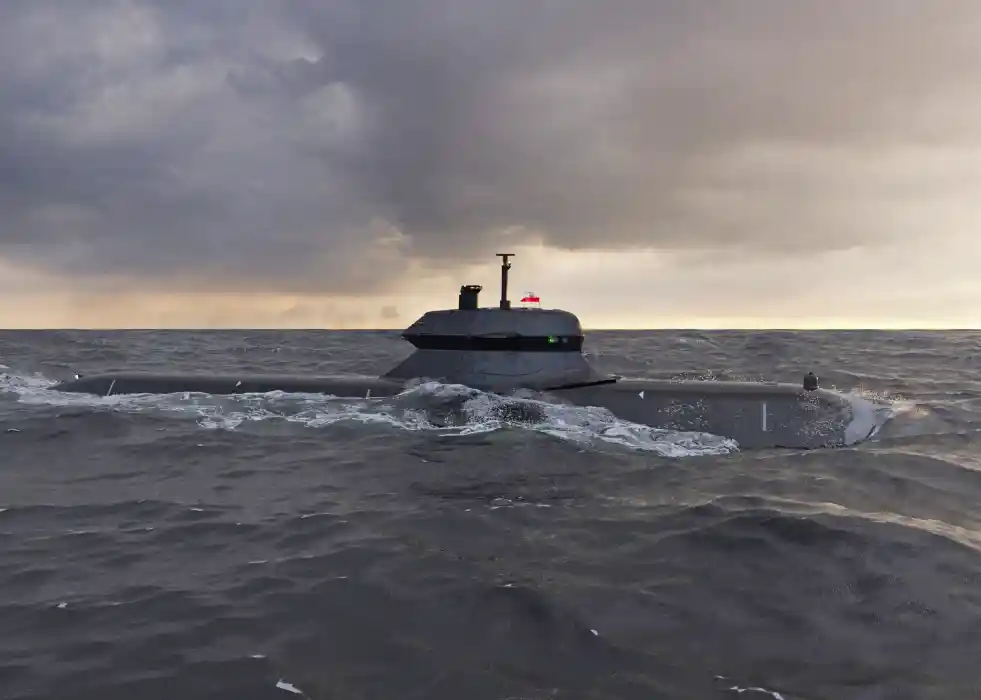
In addition to an aircraft carrier, Italy also has plans for nuclear-powered submarines, some of which might become a part of the future carrier’s battle group.
Compared to conventionally-powered aircraft carriers, nuclear aircraft carriers have the obvious logistical advantage as they can sail as much as the supplies and ammunition allow without needing refuelling. However, nuclear propulsion is not only expensive in development but also tricky when it comes to maintenance of the reactors. Thus, it can be said that Italy also has to build an infrastructure that can support its future nuclear-powered navy combatants. As to what aircraft might be deployed from the future carrier, Italy has a series of options ahead.
Possible Platforms for Italy’s Future Carrier
The first thing to come to mind is the F-35C, as the nuclear-powered carrier is likely to have CATOBAR operation with nuclear propulsion providing large amounts of power. Considering the fact that Italy already operates F-35B STOVL fighters, acquiring F-35C would have the least burden politically and logistically.
While developing a carrier-based GCAP variant is also an option, the partner nations appear to have no plans for such aircraft or an aircraft carrier. The U.K. and Japan having no plans for a larger CATOBAR or STOBAR carrier at the moment further reduces this possibility.
UCAVs are also likely to be present as the Navy also wants various types of UAVs as an integral part of its fleet. Baykar and GA-ASI can be given as the candidates as both have ongoing work for carrier-based UCAVs. For example, Baykar’s Bayraktar TB3 UCAV has performed dozens of takeoff tests, including those involving munition drops; at the same time, Mojave of GA-ASI has taken off from HMS Queen Elizabeth and ROKS Dokdo. Both firms plan on unmanned combat aircraft capable of shipborne operations, with Baykar working on a carrier-based Kızılelma unmanned fighter and GA-ASI studying a CATOBAR derivative of its Gambit UCAV family.
Turkiye, on the other hand, has nuclear-powered submarine (NUKDEN) plans for the second phase of the national submarine (Milden) programme. This programme might lead to a nuclear-powered aircraft carrier programme in future along with existing one (MUGEM). As Turkiye and Italy develop cooperation in the defence industry, the works on nuclear power might develop in naval programmes.
Author: Kaan Azman
Editor: Özgür Ekşi