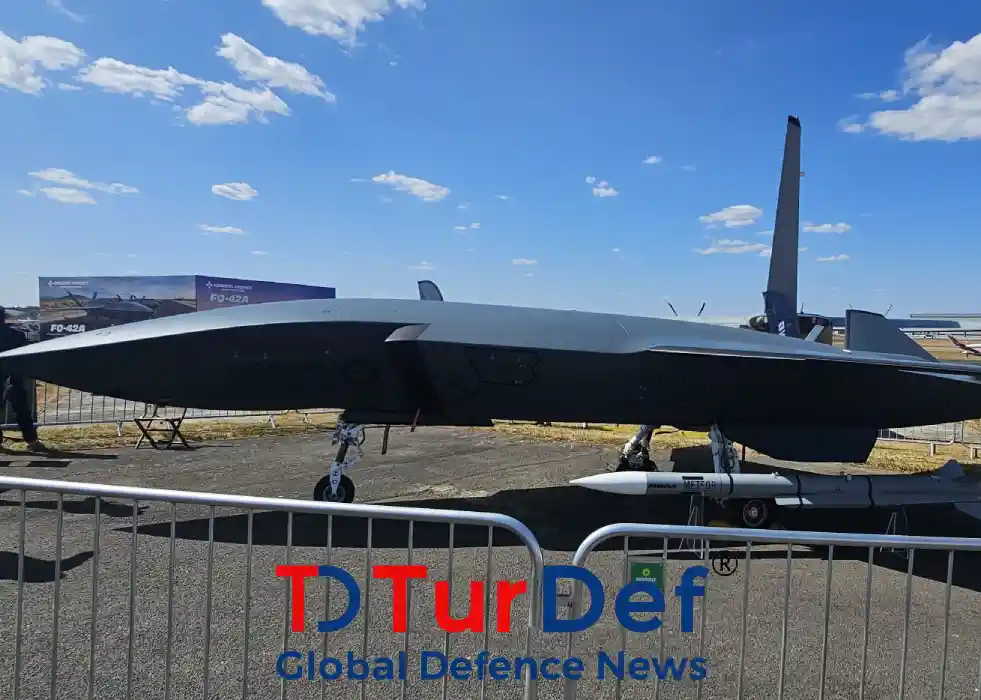
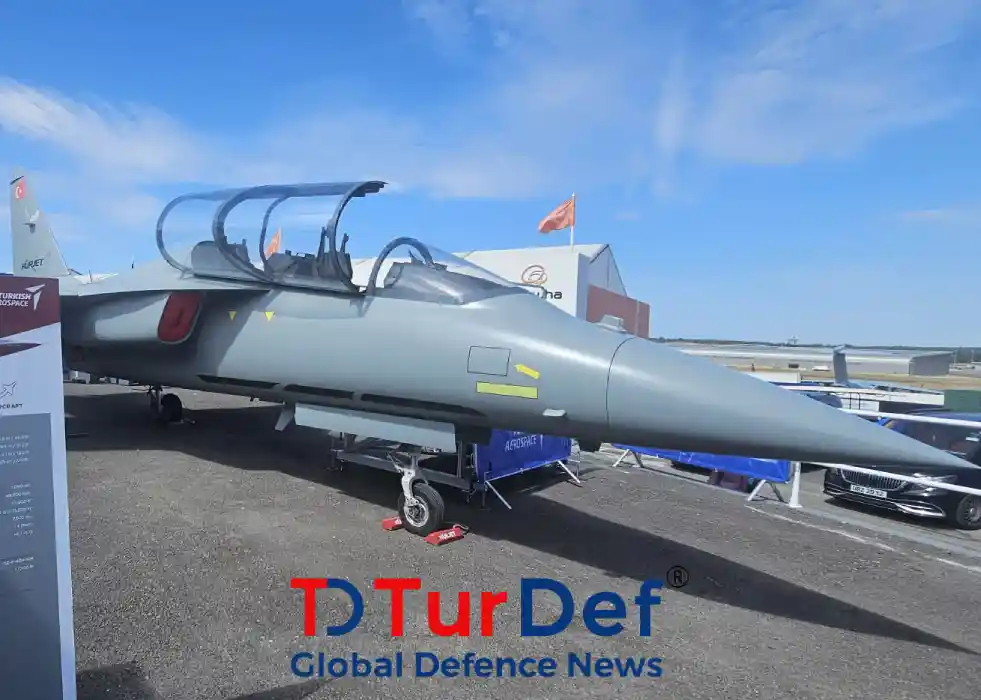
As the KAAN fighter jet’s P1 prototype takes shape, there have been external and internal changes in the design following the experiences from the P0 prototype.
The new design is notably slightly smaller, with reduced length and wingspan. The first prototype of KAAN, P0, has a length of 21 m and a wingspan of 14 m. TUSAŞ has published these new specifications as 20.3 m and 13.4 m, respectively. The height has also been reduced from six meters to five meters.

As a rule of thumb, aircraft weight is a critical parameter heavily affected by the size. Thus, this size reduction will provide a drop in weight as well. Lower empty weight is desirable for flight performance and opens room for further growth potential.
The lower weight combined with possible aerodynamic refinements and the future indigenous engine is pivotal in providing the supercruise capability, which is important for fifth-generation fighter jets. The advantages of supercruise from an operational standpoint can be listed as:
1- Quick reach to the operation zone (Important for interception and strike missions)
2- Extended firing range for air-to-air missiles
3- Longer operational range
From the growth potential standpoint, KAAN’s development roadmap includes multiple blocks, each adding a new feature. These include IRST, Integrated RF System (BÜRFİS) with multiple AESA radar arrays on the aircraft, DIRCM, and MUM-T. All these features demand extra space not only in terms of volume but also weight.
The new prototype of KAAN, P1, was recently shared in a press meeting by the Secretary of Turkish Defence Industry (SSB) Haluk Görgün. The prototype on the production line has a frame that can be considered less bulky.
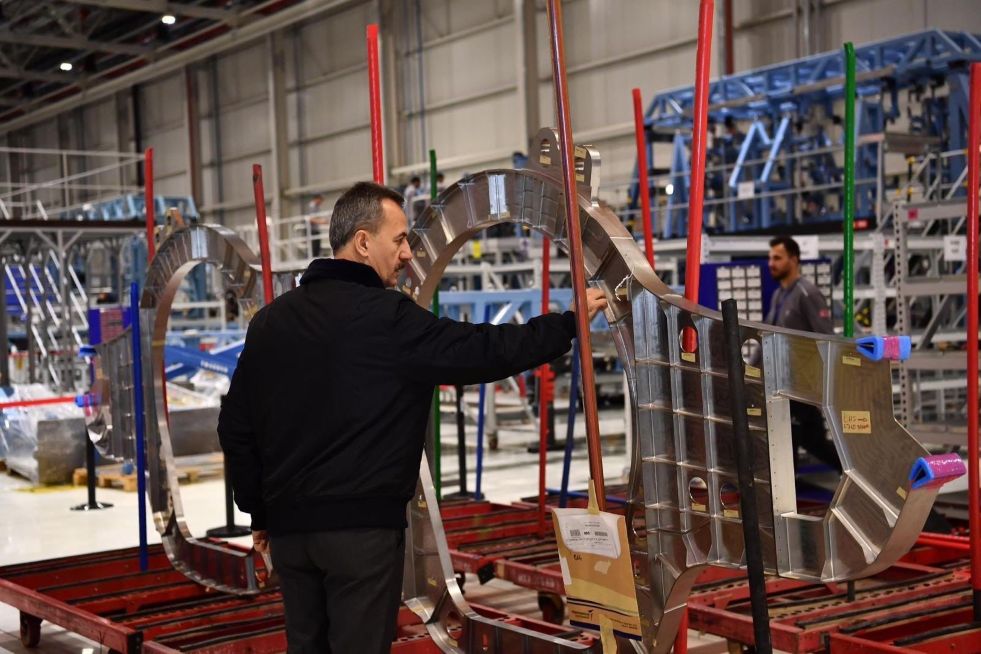
When the prototype stages of other fifth-generation aircraft are inspected, parallels can be observed. YF-22, the prototype of F-22, which is a close example of KAAN, is similarly larger compared to the final design with a bulkier frame.
Adjustments throughout the prototype stages can be described as a sum of data gathered from previous flight tests and a range of changes tested in virtual or real environments. Thus, the specifications of P1 should also be considered subject to change because KAAN’s prototype stage includes more than two prototypes.