The Turkish government has established a clear path for Eurofighter Typhoon delivery which includes using Qatar and Oman aircraft until British manufacturers start delivering their new production models. The Ministry of National Defence states that this agreement follows the terms which President Erdoğan established during the signing event.
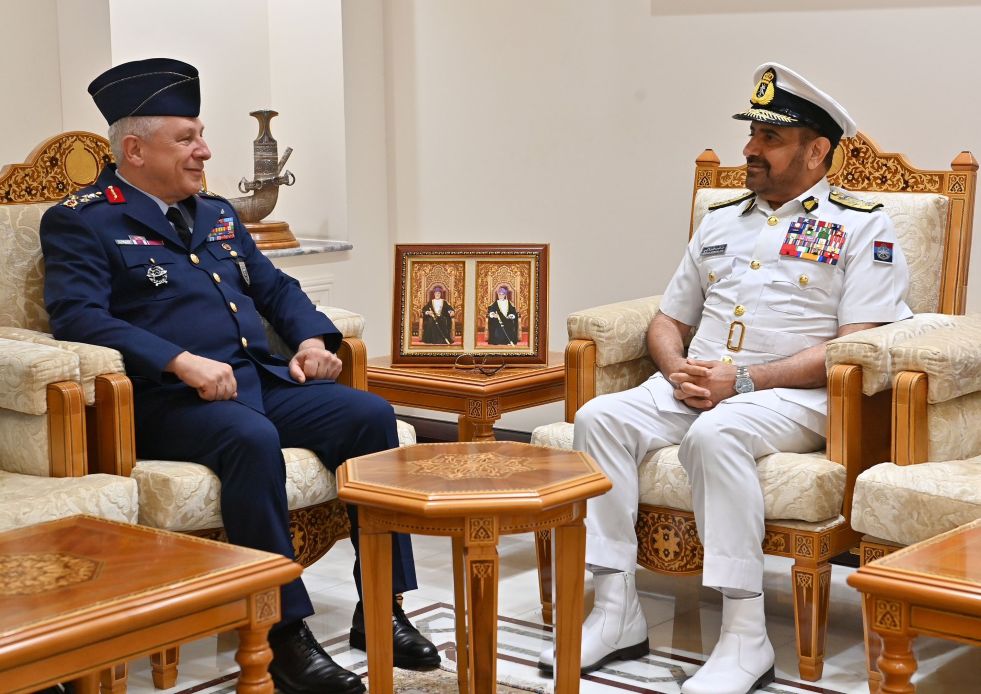
According to the ministry, the 12 aircraft to be procured from Qatar will be delivered after the contract signing, while the 12 aircraft from Oman will arrive following a modernisation process. No information has been released regarding the duration or cost of these upgrades. The interim fleet is expected to sustain airpower availability until UK-assembled Typhoons begin joining the Turkish Air Force inventory.
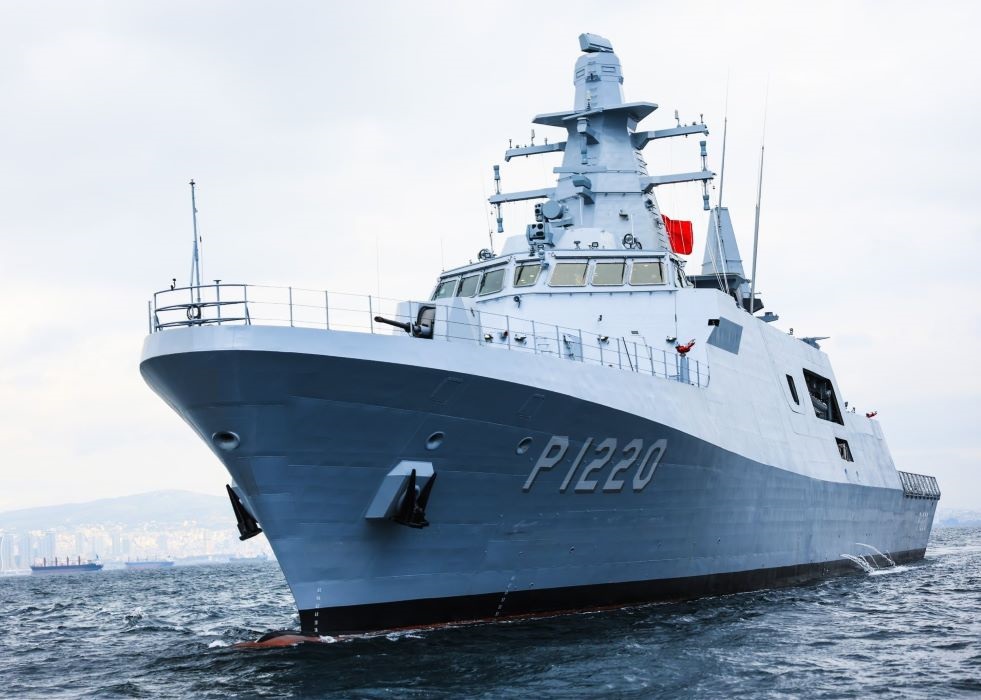
The ministry also highlighted progress in Türkiye’s naval procurement. Following the sale of an Open Sea Patrol Vessel (OPV) to Romania under the same construction programme, the next ship in the series—TCG Seferihisar—will be built at Istanbul Naval Shipyard and delivered to the Turkish Navy. The ministry’s statement indicates that revenue generated by the Akhisar sale will contribute to financing Seferihisar’s construction. The OPV construction programme will continue with 10 ships, unchanged. While officials described the new ship as having “superior capabilities” compared to the OPV sold abroad, TurDef notes that this does not imply a new class designation similar to a “Phase II” structure. However, unlike its predecessors, Seferihisar is expected to feature a Vertical Launch System (VLS). Whether this VLS will accommodate tactical-range interceptors or a strike-length configuration has not yet been disclosed.
In parallel, the ministry addressed recent comments by U.S. Ambassador Thomas Barrack concerning the S-400 and F-35 programmes. The MoD reiterated that Türkiye continues strengthening its air-defence architecture through nationally developed systems and confirmed that there have been no new developments regarding the S-400s.
On the F-35 issue, Ankara emphasised that consultations with Washington remain active. These discussions focus on removing political restrictions and sanctions that currently prevent Türkiye’s re-entry into the programme. TurDef assesses that the ministry’s tone reflects a calibrated diplomatic posture: Türkiye keeps dialogue open without raising expectations, while signalling that progress depends on a broader political alignment between the two allies.
From TurDef’s perspective, invoking the “spirit of alliance” suggests that the F-35 impasse has shifted from a technical matter to a strategic one. Should both sides choose political convergence, a structured path for Türkiye’s reintegration could re-emerge; if not, the present status quo is likely to continue. TurDef claims that the S-400 was not the real obstacle in front of F-35 acquisition. It was Israel’s “no F-35 to Turkiye” policy.
Author: Özgür Ekşi