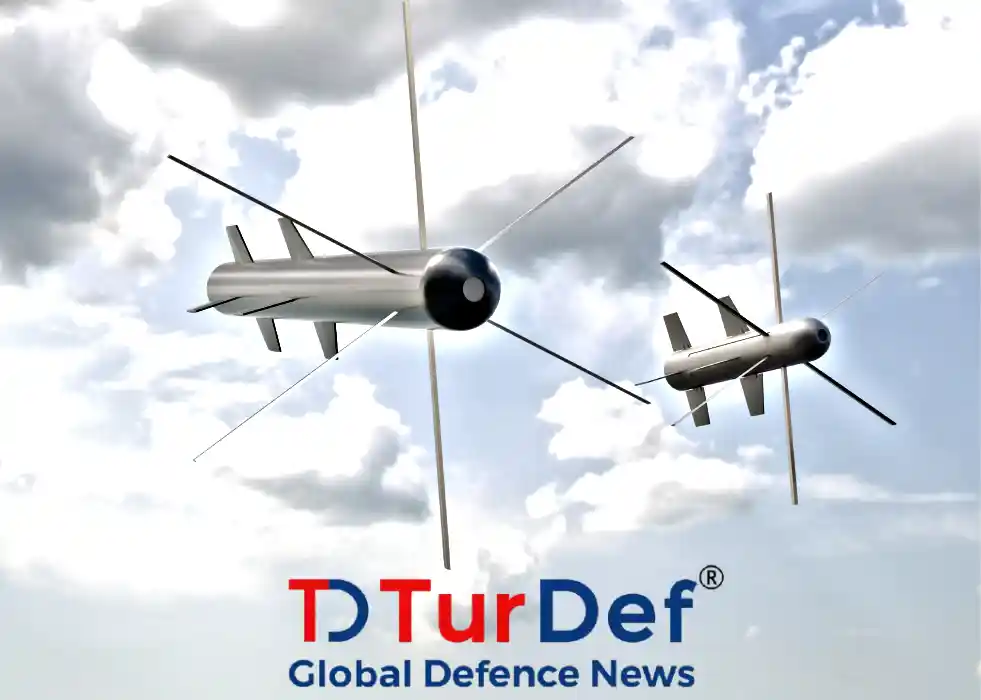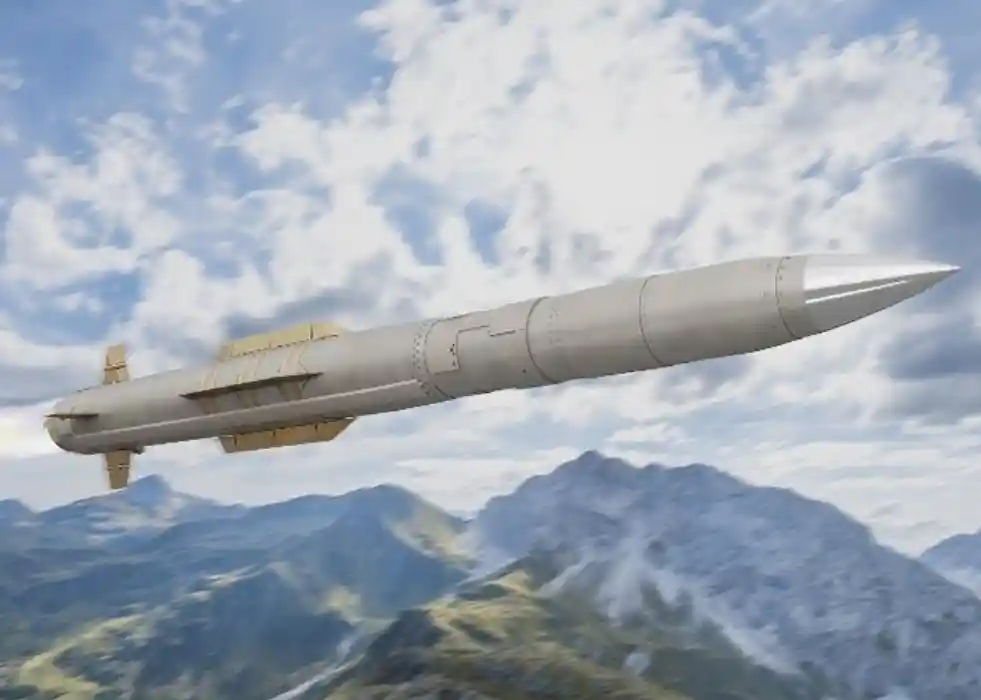
Lockheed Martin is scaling down on capability to scale up on production volume with the PAC-3 ACE air defence missile that adopts a simpler layout than PAC-3 MSE.
In the wake of experiences with defence against missile/UAV attacks focusing on mass through simple threats, which have outrun the highly capable but costly PAC-3 missiles, Lockheed Martin is taking a new route with the PAC-3 Adapted Capability Effector (ACE) missile that adopts a simpler layout while keeping the high capacity per launcher aspect.
Whereas PAC-3 CRI and PAC-3 MSE use hit-to-kill with thruster-assisted control, which provides high agility but also increases the cost per round, PAC-3 ACE adopts the conventional layout while having the footprint of the PAC-3 MSE missile. 12 PAC-3 MSE missiles can be carried per launcher, making PAC-3 ACE a better option against masses of low-end threats.
PAC-3 ACE is anticipated to have a similar kinematic performance to PAC-3 MSE, which can reach a range of 120 km against air-breathing targets and 60 km against ballistic missiles. Lockheed Martin stated that PAC-3 ACE will be capable of engaging aircraft, cruise missiles, and ballistic missiles of the TBM to SRBM class. However, the ballistic missile defence aspect should be expected to be less than that of the other PAC-3 missiles due to the loss of aerodynamic manoeuvring forces at high altitudes, normally compensated by the thrusters on CRI and MSE variants.
One could also expect PAC-3 ACE to succeed PAC-2 GEM-T as the main anti-aircraft missile in the Patriot structure, as the latter is not carried in large numbers per launcher like PAC-3 ACE and still relies on TVM guidance as an older missile.