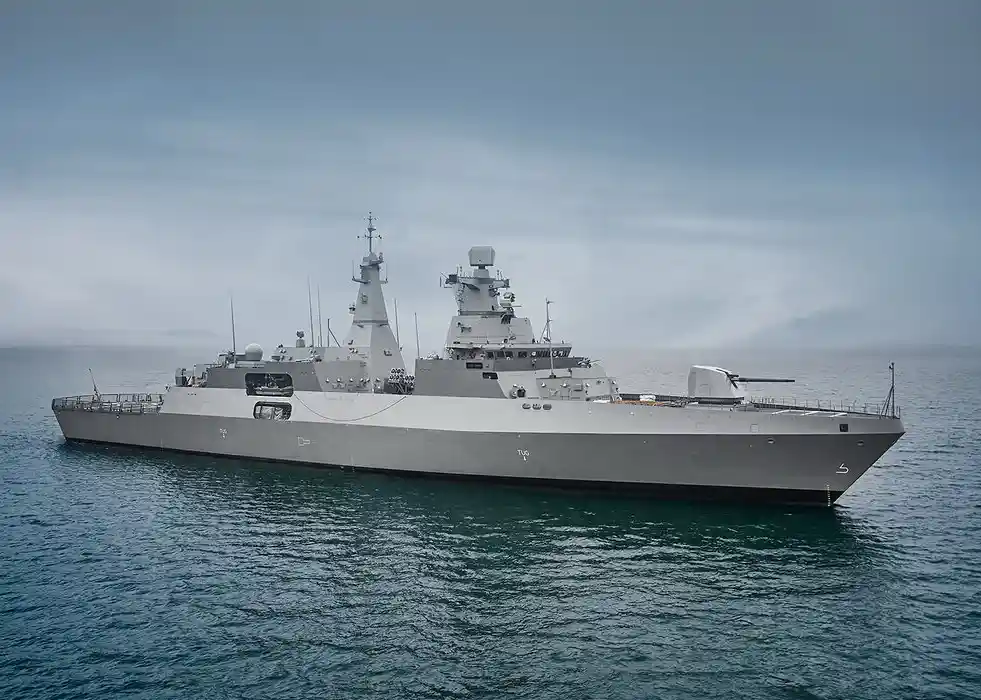
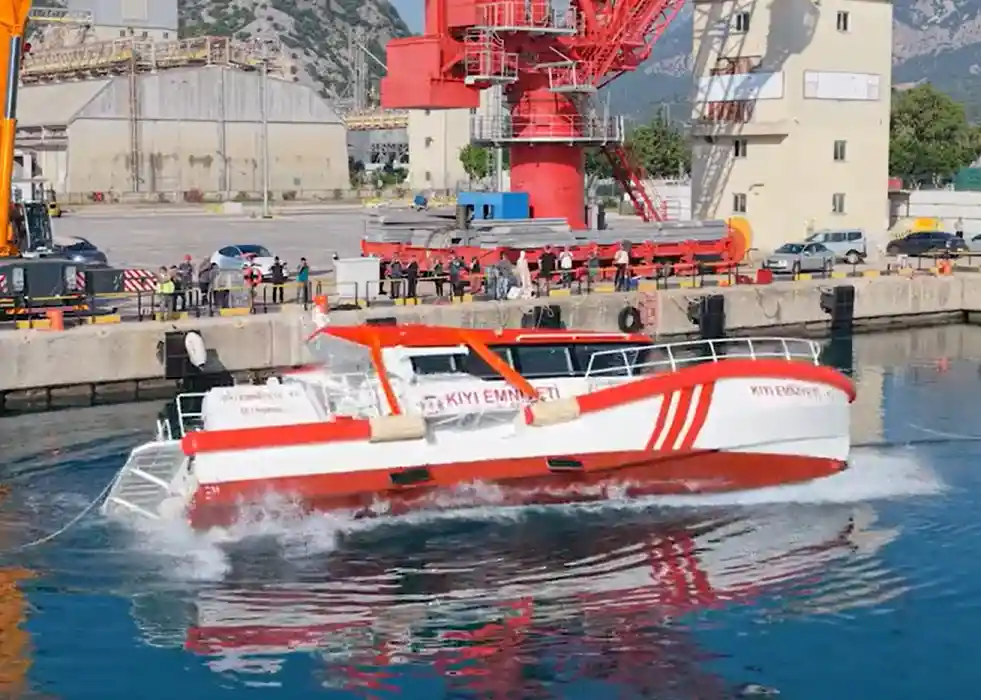
NATO has launched NEPTUNE STRIKE 25-3 (22–26 September), a major multinational drill spanning the Mediterranean, Adriatic, North and Baltic Seas with over 10,000 troops from 13 Allied nations.
The Neptune Strike series, first conceived in 2020, is designed to showcase NATO’s ability to rapidly integrate high-end maritime strike forces, reinforce deterrence and secure vital sea lanes. This latest edition follows NEPTUNE STRIKE 25-2 held in July–August, and again tests interoperability across air, land and sea while safeguarding strategic chokepoints.
The exercise, led by US Vice Adm. Jeffrey T. Anderson and the Naval Striking and Support Forces NATO (STRIKFORNATO) at Oeiras, Portugal, puts a NATO Carrier Strike Group and many naval and amphibious assets under the direction of alliance forces.
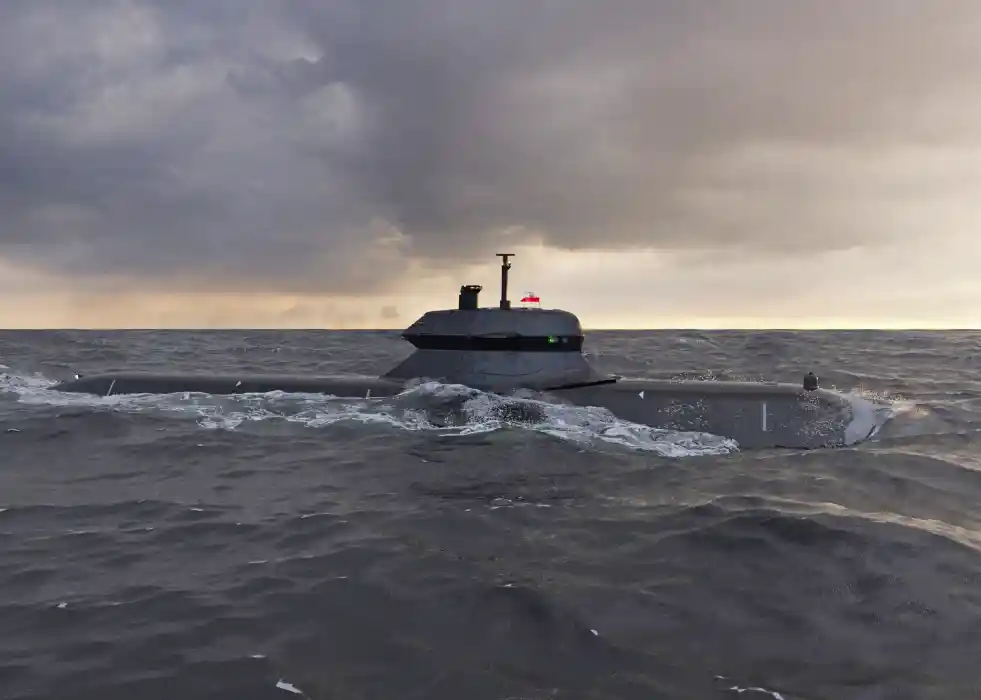
The US aircraft carrier USS Gerald R. Ford (CVN-78), the Turkish amphibious assault ship TCG Anadolu L-400, the Italian landing ship ITS San Giorgio L 9892, and the US command-and-control ship USS Mount Whitney LCC/JCC 20 are all important participants. They are joined by destroyers, frigates, submarines, and aircraft from Denmark, Estonia, Finland, France, Germany, Italy, Lithuania, Norway, Poland, Turkiye, Sweden, the United Kingdom, and the United States.
Operations feature carrier-based air missions, amphibious landings in southern Italy, submarine patrols, surface warfare and a mass-casualty drill. The Gerald R. Ford Carrier Strike Group will operate in the North Sea, while multinational task groups conduct joint missions in the Baltic and Mediterranean.
The Anadolu Task Group from Turkiye is made up of the TCG Anadolu L-400, TCG Gökova F-496 frigate, TCG Heybeliada F-511 corvette, and TCG I. İnönü S-360 submarine. The Turkish Ministry of National Defence adopted the name "Open Sea Task Group" when the same group trained alongside the Spanish Amphibious Task Group off the coast of Antalya in April 2024 as part of the Neptune Strike framework.
NATO stresses that these long-planned actions are defensive and completely legal under international law. This shows that the Alliance can project coordinated naval force throughout Europe.