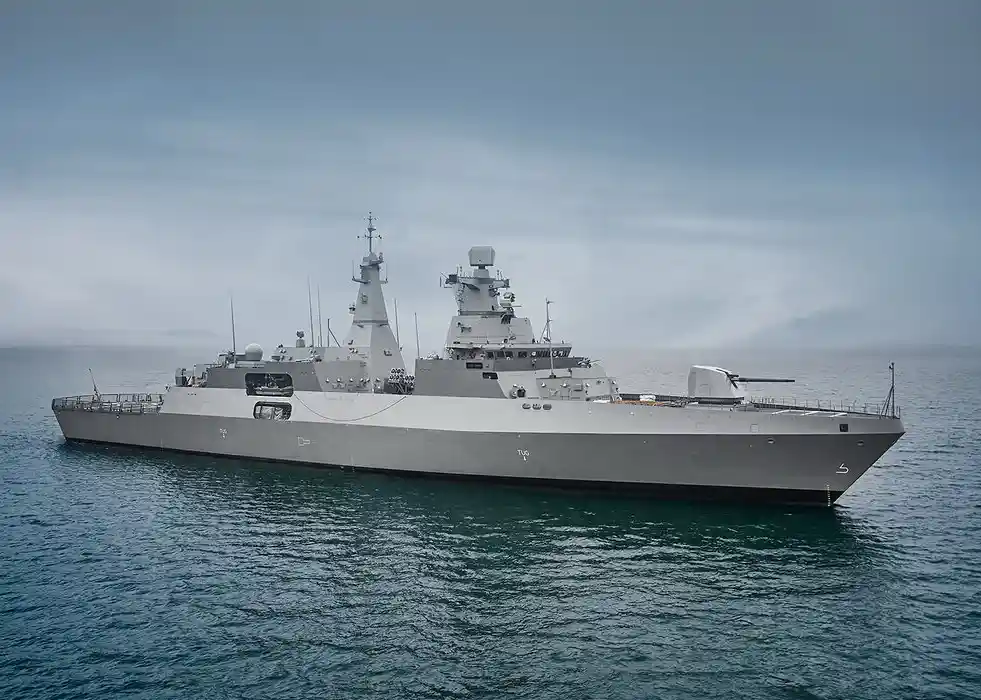
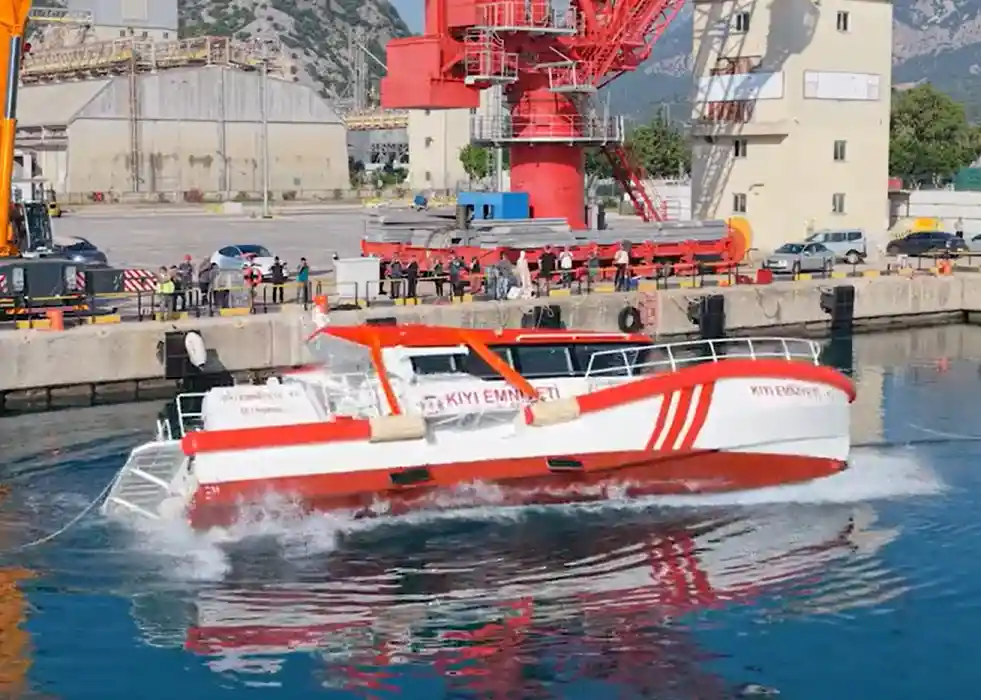
The NATO Maritime Security Centre of Excellence (MARSEC COE), based in Istanbul, has been introduced to the press, highlighting Türkiye’s growing role in maritime security expertise within the Alliance.
Speaking at the presentation, MARSEC COE Director Capt Mehmet Cengiz Ekren outlined the Centre’s ongoing work and noted that additional activities and events are planned in the near term.
MARSEC COE is part of NATO’s wider network of Centres of Excellence (COEs) — multinational structures that specialise in specific capability areas to support NATO’s transformation. While COEs are not part of the NATO Command Structure, they are NATO-accredited and contribute to knowledge generation and dissemination, particularly under Allied Command Transformation (ACT).
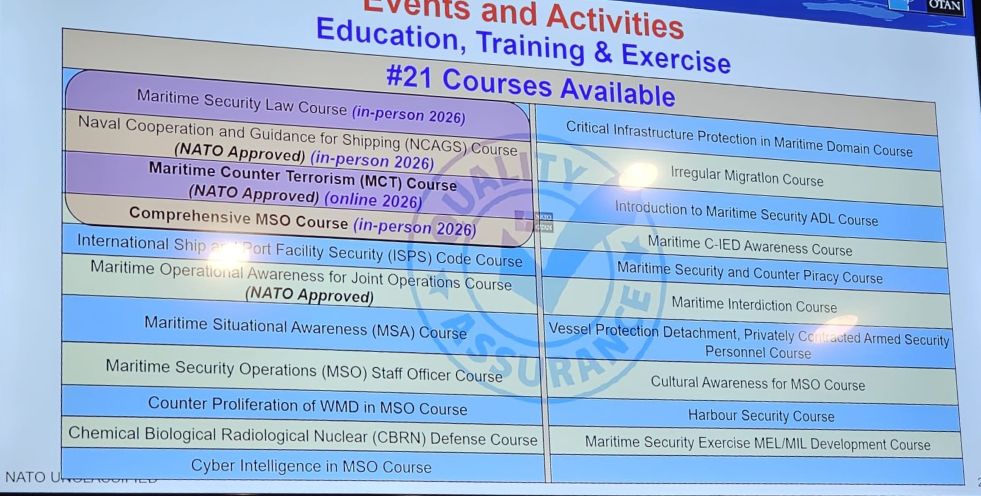
Initially established as a national centre in Türkiye in 2012, MARSEC COE was accredited by NATO on 8 June 2020 and currently operates in Istanbul. The Centre’s stated vision is to become an internationally recognised focal point in maritime security, providing timely and innovative expertise to NATO and partner nations.
MARSEC COE focuses on supporting Maritime Security Operations (MSO), with an emphasis on Maritime Situational Awareness (MSA). Its core activities include concept and doctrine development, standardisation and interoperability efforts, education and training courses, and analysis based on lessons learned. The Centre also supports expert networking through conferences and workshops, produces publications, and provides subject matter expert input to NATO processes when required.
The Centre operates with a multinational structure. Türkiye serves as the Framework Nation responsible for establishment and leadership, while Greece, Portugal, and Romania participate as Sponsoring Nations. Azerbaijan is involved as a Contributing Partner, with additional partner participation possible through established procedures.
Maritime security has increasingly become a multidimensional agenda for NATO members, intersecting national and economic security. Threats such as terrorism, piracy, smuggling, irregular migration, cyber risks, hybrid methods, and pressures on freedom of navigation continue to drive demand for specialised expertise and cooperative approaches in the maritime domain.
Author: Özgür Ekşi