The recent incursion by the Russian Federation into Ukraine has resulted in a significant increase in the presence of naval mines in the Black Sea, reaching levels that recall the period of heightened tensions during the Cold War era. The munitions, which have broken free from their chains and are being swept away by the currents, pose a significant risk to navigational safety in the region and directly threaten the Istanbul Strait. PART II
Turkish Naval Forces and Mine Countermeasures Operations
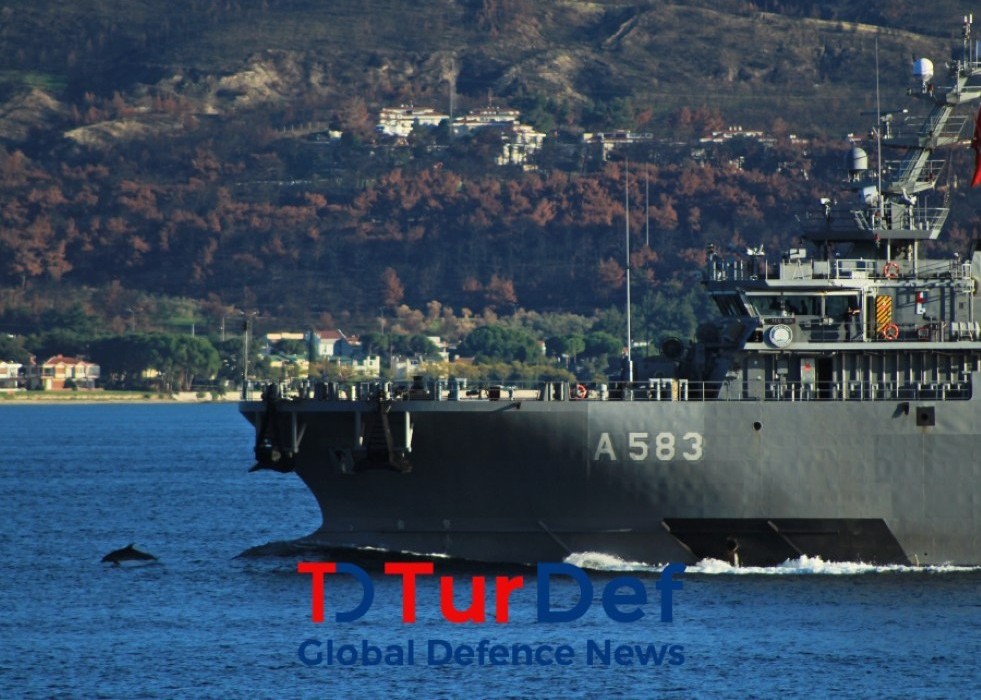
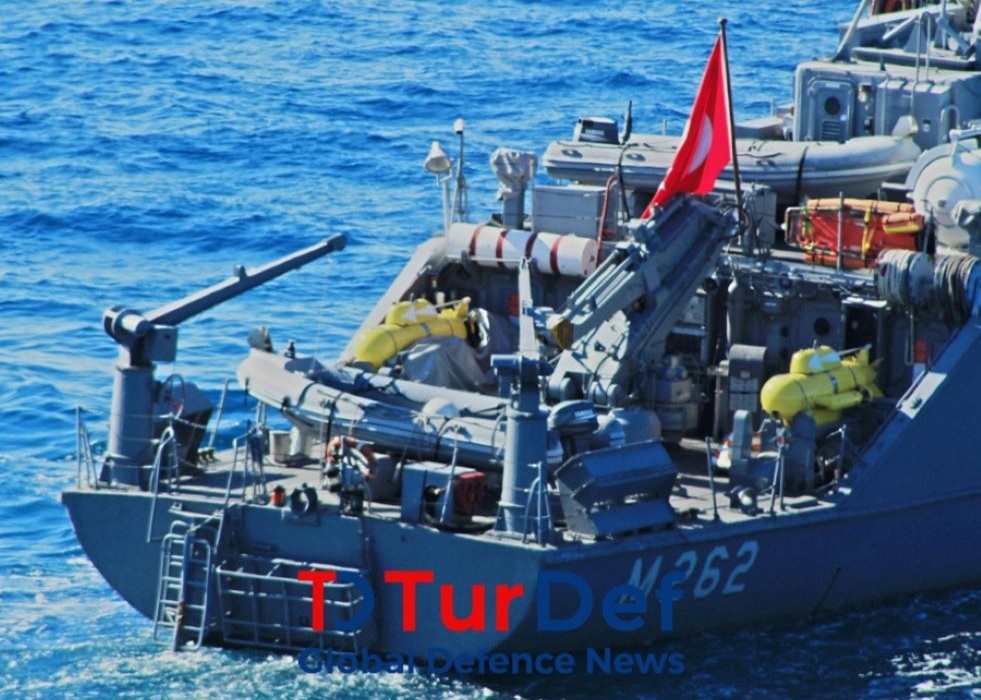
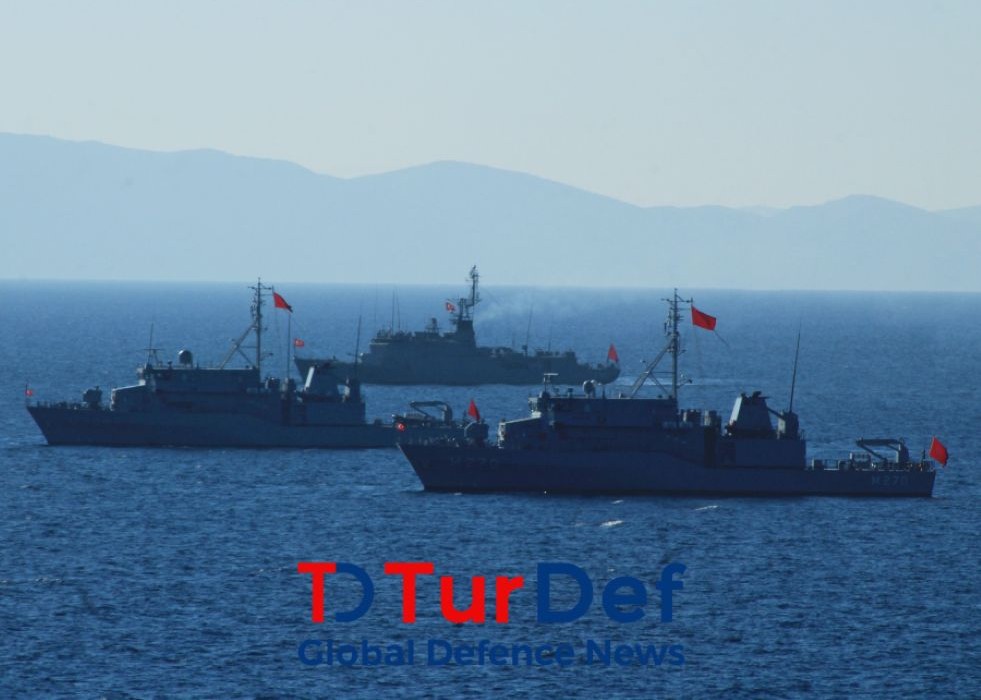
The geographical importance of Turkiye is evidenced by its strategic position along the waterways connecting Asia and Europe. Factors such as partnership in the Black Sea and the geopolitical situation in the Eastern Mediterranean are also critical issues for Turkish maritime sovereignty. Acknowledging this circumstance, a substantial shift has been implemented to the Turkish Navy's in mine warfare strategy during the 1990s. A thorough evaluation of the disadvantages inherent to minesweepers was conducted, culminating in the determination of the necessity for a minehunter. This determination was made with the objective of optimising mission safety, success rate, and the percentage of clearance achievable. In 1999, five Engin (E) Class Minehunters equipped with PAP Plus ROV devices were procured from France.
Mine Hunting Era in the Turkish Navy
Following the implementation of mine-hunting operations and the establishment of the hunting concept with French-made Engin Class platforms, the Turkish Navy sought a new platform to meet its specific requirements, taking into account the regional situation and its particular needs. In accordance with the vision of becoming the most effective MCM force in the world's seas, action was taken in the 2000s to build new ships.
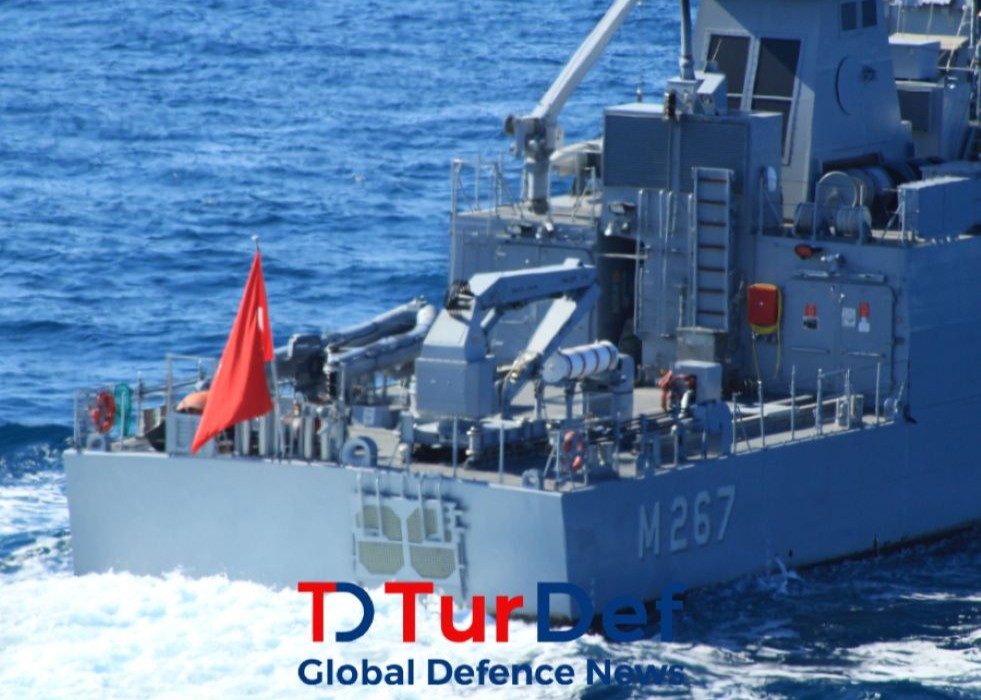
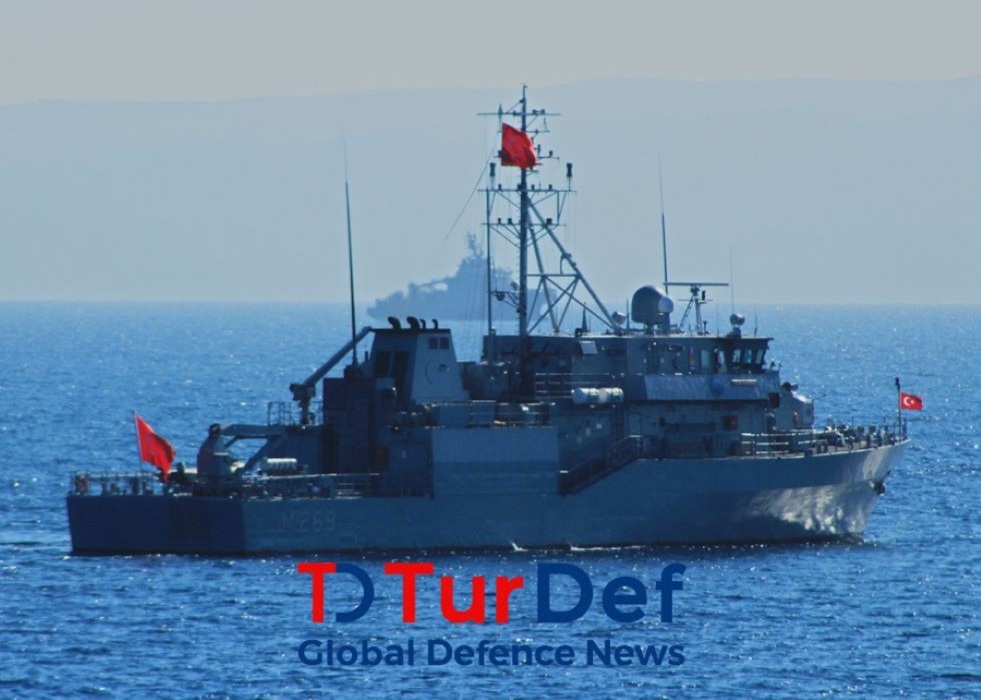
The integration of the Aydın (A) Class Minehunters has enabled the enhancement of both manoeuvrability and the capacity for precise position-keeping, thereby ensuring that the forces in question are now operating at a level that meets contemporary global standards. The integration of the new command and control system, in conjunction with sonar and PAP Mk5 ROV equipment, has resulted in a significant enhancement in the detection, identification and disposal of mines. Concurrently, this advancement has also facilitated a more efficacious and secure execution of hunting operations. The Turkish Mine Group Command is also continuing its efforts to develop its current ship inventory using domestic resources. In an effort to maintain contemporary standards and optimise operational performance, the Turkish Navy has initiated a project to construct and equip a bespoke platform. This initiative will leverage the capabilities of the Turkish defence industry to replace the Engin-Class vessels, which are nearing the end of their operational lifespan.
Crew and Training
The constantly changing and turbulent nature of the marine environment necessitates specially trained personnel to be assigned to this field. In order to meet the sensitive requirements of the MCM Operation, whose most fundamental element is human, and to increase the success rate of operations, the Turkish Naval Forces also modernised its Cold War-era organisation. Within this scope, mine warfare divers began to be trained in 1998 to carry out detection and disposal duties on minehunters that entered service that year. The initial requirement, met by Underwater Defence (SAS) personnel, resulted in the training of expert MCM divers from 2000 onwards, due to both the increasing number of vessels and the emerging requirement.
Mine warfare, a specialised operation requiring precision in every aspect, necessitates specialist personnel. The Turkish Navy also understood this issue in the early years of transitioning to minehunters and took the necessary steps. Within this scope, the Mine Warfare Training Centre Command (Mayın Harbi Eğitim Merkezi / MAHEM) was established in 2002 to increase training and expertise levels of personnel serving on vessels under the Mine Group Command in areas such as Mine Warfare, Air Defence, Navigation, Seamanship, Machinery and Damage Control.
Simulators are, of course, an indispensable part of training today. In the context, the Turkish Naval Forces established a Mine Countermeasures Ship (MCS) Simulator in 2006. The facility equipped with hardware comparable to that used in the Combat Information Centre and Bridge of Aydın (A) Class Ships, provides training in command and control, sonar, radar and PAP. Personnel here utilise the procedures and methods applied in mine countermeasures operations based on realistic scenarios to conduct Mine Countermeasures Team Training, Mine Hunting Opportunity Training, PAP Operator Training, and XO (Executive Officer) Internship programme, which involves the utilisation of procedures and methodologies employed in mine countermeasure operations, grounded in realistic scenarios, to enhance combat readiness.
Some of the training courses are conducted within the Virtual Reality Classroom (VRC). In this facility, personnel undergo training in a realistic environment at a reduced cost. This is achieved by simulating all equipment on the bridge for different ship types. This enables personnel to become familiar with the ships and their characteristic features. Additionally, the crew gains experience through practical training, developing the ability to make decisions as realistically as possible in various scenarios, including injected snapshots of situations.
The simulator, training, AUV and data units operate within the Mine Warfare Support Centre (Mayın Harbi Destek Merkezi / MHDM) Command to enable personnel to effectively carry out their duties in times of war and peace. The Command also ensures that tasks such as planning, coordinating, implementing and evaluating training are carried out with maximum efficiency under the auspices of the Training Evaluation and Standardisation (Eğitim Değerlendirme ve Standardizasyon / EDS) Team, which was established in 2017.
AUV and New Technologies
The Navy, which still upholds many historical Turkish seafaring traditions, also closely follows technological developments in order to meet the demands of the modern age. In the context of this scope, the Light Autonomous Underwater Vehicles (Hafif Otonom Sualtı Aracı / HOSA) Task Unit Command was constituted within the Mine Group Command. HOSAs are capable of operating at depths ranging from 5 to 1,000 metres. Consequently, tasks that extend beyond the limits of human endurance can be performed for mission durations of 8 to 10 hours. The systems have the capacity to perform activities such as MCM, search and rescue, and target detection in a manner that is entirely independent of the operator. The mission area coordinates and mission plan are entered in advance.
Auxiliary Activities
The success of mine warfare is fundamentally dependent on the past. The more data that can be obtained about the area prior to the operation, the easier it becomes to detect even the smallest changes. Within this scope, MCM-purpose contact, field and mission information, depth, seabed classification, seabed structure, burial, vegetation cover, underwater conditions, current information, oceanographic data, fishing and trawling history, general field conditions, cables, pipelines, elevation lines, underwater wrecks, unexploded ordnance, and other data that directly affects the safety of operations. The Mine Warfare Data Centre (Mayın Harbi Veri Merkezi / MHVM) was established for this purpose.
The concept of mine warfare must be understood to be more than merely a type of operation carried out by minehunters or other elements. The requirements of the operation, which is of an extremely complex and composite nature, are also complicated in this regard. In MCM, the primary task is to identify the operational area. All Turkish warships in the designated mission areas for establishing and maintaining the Defined Maritime Picture (Tanımlanmış Deniz Resmi / TDR) are established and maintained in order to maximise success and cleanliness rates.
Conclusion
The Turkish Naval Forces' strategic vision can be summarised as becoming the most effective force at sea in terms of mine warfare and mine countermeasures. Although this field has a relatively short history in the modern sense, it can be said that the Turkish Navy has quickly grasped the requirements of the present and the future and has swiftly taken the necessary steps in this area. It is evident that mine warfare encompasses not only the utilisation of platforms but also the establishment of a meticulously designed training infrastructure that employs the most recent technological advancements. This infrastructure is crafted to align with current and future requirements, ensuring the optimal realisation of the human element, a factor that is of paramount importance and for which no expense is considered excessive.
The latest generation minehunters, to be constructed and equipped using domestic resources, will fly the Turkish Navy flag on the high seas in the near future. This development will position the Turkish Mine Group Command as one of the most technologically advanced and potent force within its category on a global scale. The integration of modern facilities, training infrastructure and highly skilled personnel within the broader framework will undoubtedly position the Turkish Navy as one of the most effective navies worldwide in the domain of MCM within a relatively brief timeframe.
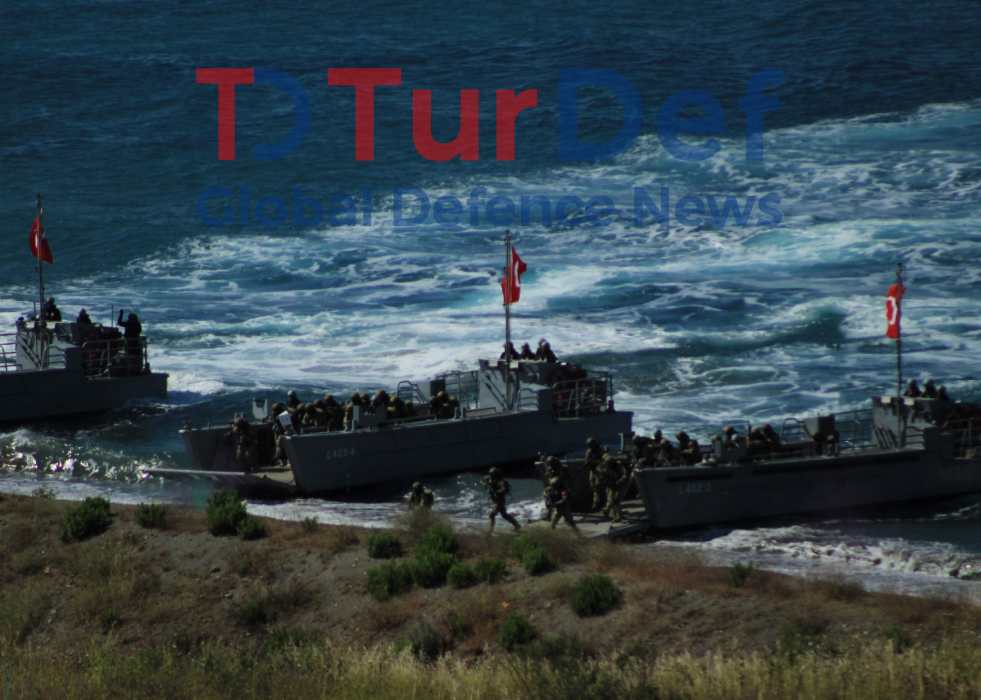
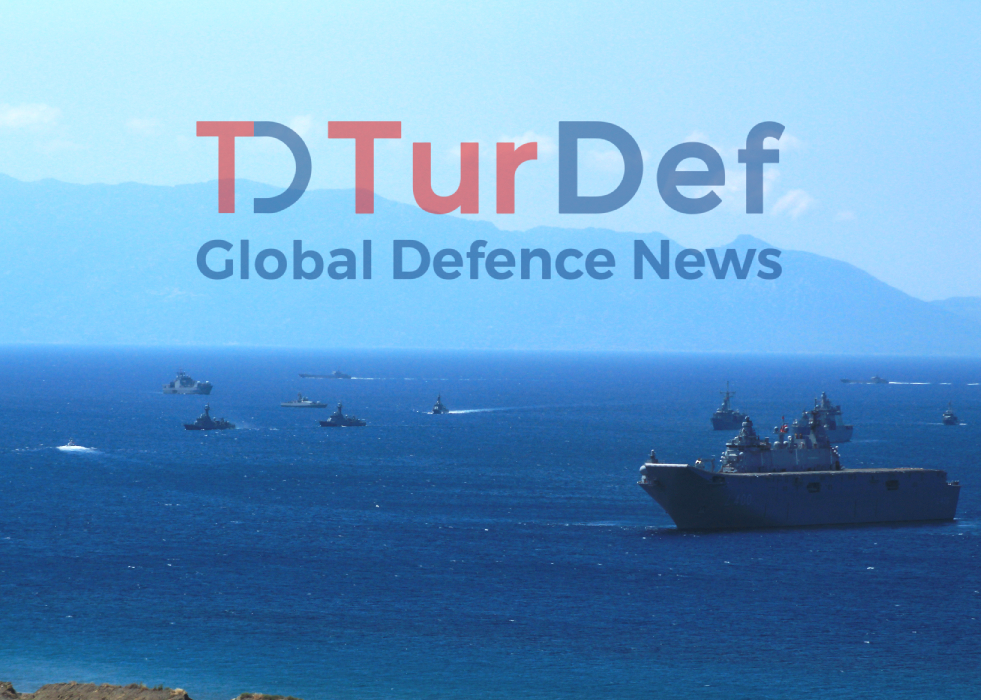
In the context of the prevailing vision, the disposal of mines in the Black Sea assumes even greater significance in the aftermath of the cessation of hostilities in Ukraine. The joint statements of the command structure and political decision-makers indicate that this issue can be easily resolved by the Turkish Naval Forces and that there is no need for support from foreign elements. Indeed, within the scope of Nusret 2025, the capabilities and capacities that support the current stance have been demonstrated to their full extent.
The Nusret 2025 Exercise clearly demonstrated that this resolute stance is not empty rhetoric, but rather that the Turkish Naval Forces will increase their effectiveness in the region and possess the capacity to lead as the most capable force in the Black Sea, not only in combat missions but also in peacetime.
Author: Özgür Ekşi