Türkiye’s Eurofighter Typhoon procurement plan is showing signs of a potential shift in sourcing, with Qatar emerging as a stronger candidate for additional aircraft while the Oman track appears to be losing momentum.
Under the method discussed so far, Türkiye was expected to acquire 12 aircraft from Qatar for delivery in 2026, followed by modernised aircraft sourced from Oman for delivery in 2028, and brand-new production aircraft delivered via the United Kingdom from 2030 onwards.
TurDef understands that the Turkish Air Force has taken a positive view of the Tranche 3A Typhoons available through Qatar as these aircraft are configured at least with ECRS Mk0 AESA radar sets, offering an AESA-enabled sensor and data-link architecture. This configuration supports more effective beyond-visual-range engagement concepts, including the operational use of Meteor missiles.
By contrast, Oman’s aircraft—while often described as Tranche 3A—rely on an conventional doppler radar baseline and avionics package that sits behind the standard expected from Qatar’s fleet. As a result, bringing these aircraft to a more modern configuration would require a significant and time-consuming upgrade effort, with additional cost.
In parallel, TurDef learned that Oman, which previously approached Türkiye with proposals centred on transferring aircraft, has hardened its negotiating position as talks appeared to become more concrete.
Qatar originally decided in 2017 to procure 24 Tranche 3A Typhoons through a structure widely reported as 12 firm aircraft and 12 options. The programme’s main delivery phase has progressed over recent years, with 12 aircraft publicly confirmed as delivered by 2023. However, Qatar has not issued an official statement regarding the status of the optional batch.

In this context, Türkiye is increasingly focused on the Qatar track, assessing whether aircraft that would otherwise require time-consuming modernisation under the Oman plan could be replaced by additional Qatar-configured aircraft, which are assessed as closer to the desired baseline.
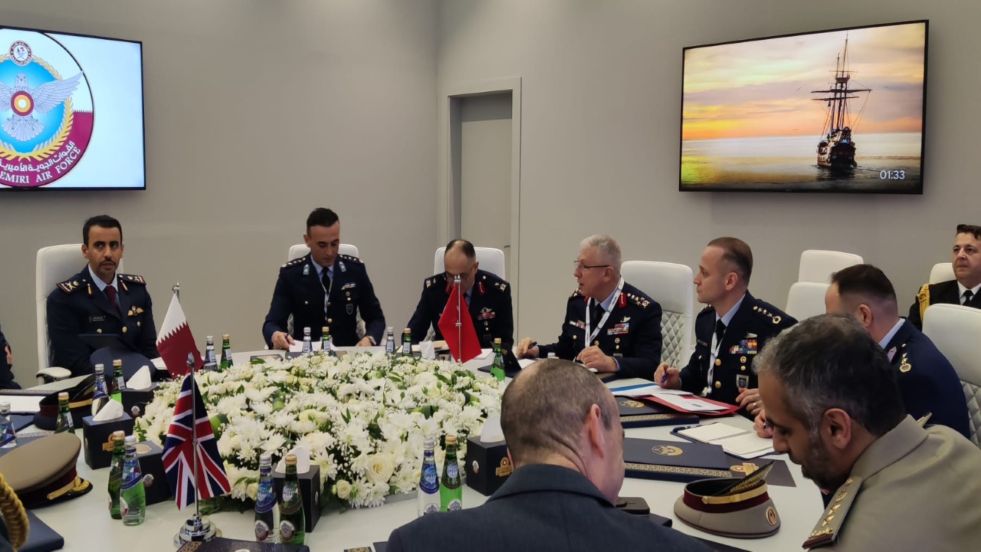
The Turkish Air Force Commander conducted a trilateral meeting in Qatar on 18–19 January with the commanders of the UK and Qatar air forces within the scope of Typhoon procurement talks. Following the meeting, several discussions began to surface in defence circles.
First, Türkiye may seek to secure 12 additional aircraft from Qatar.
Second, it has been claimed that the first 12 aircraft to be sourced from Qatar could arrive in Türkiye as early as February. TurDef has learned that both pilot training and maintenance training related to the aircraft have already begun in Qatar. However, sources note that Türkiye is not inclined to relocate aircraft before flight and maintenance training pipelines reach sufficient maturity. Ankara aims to ensure operational readiness, sustainment planning, and logistics support are in place at the time of arrival.
Initial basing is expected to be Eskişehir, where the Turkish Air Force already operates twin-engine platforms such as the F-4, providing existing infrastructure and experience for early sustainment. Such a basing choice would also allow the integration and training phase to proceed without creating an immediate “frontline posture” perception, while still supporting air defence requirements for Ankara and central Türkiye.
In recent weeks, the UK Ambassador to Ankara and the CEO of BAE Systems visited Türkiye and met with Defence Minister Yaşar Güler. Defence sources expect follow-on steps after these engagements, including measures to ensure that Typhoon availability rates can be sustained at a high tempo.
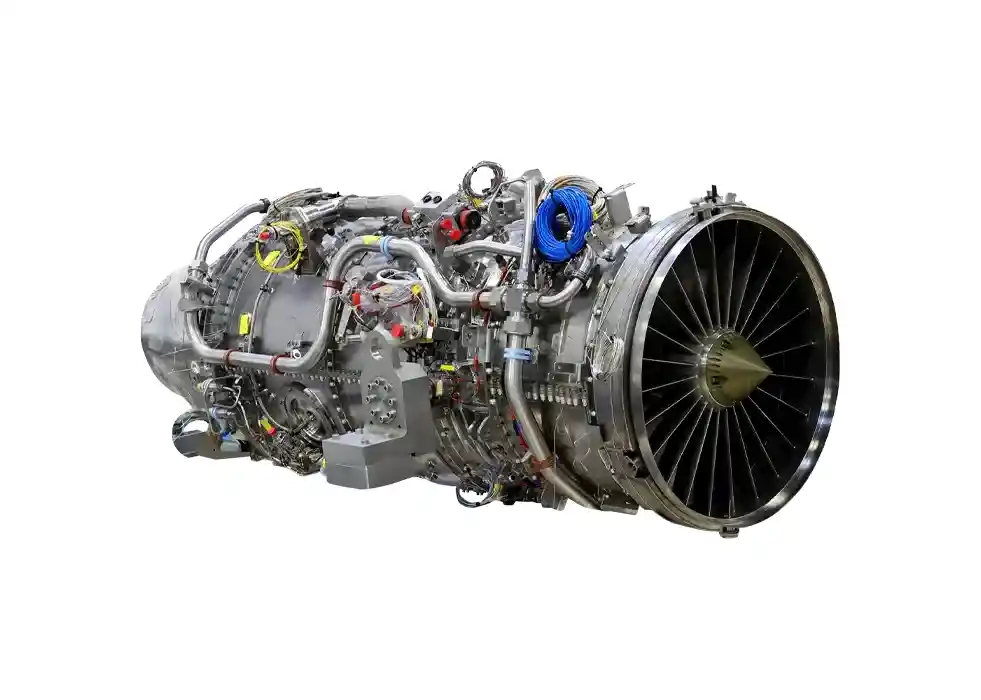
Türkiye traditionally seeks to reduce external dependency in sustainment and logistics. In line with this approach, it is expected that a capability will be established in Eskişehir to support maintenance and sustainment of the Typhoon fleet, potentially including engine-level work.
The Türkiye–UK agreement signed in October 2025 focused primarily on aircraft and munitions procurement. A separate follow-on arrangement is expected to address the sustainment architecture required to keep the fleet continuously operational.
Author: Özgür Ekşi