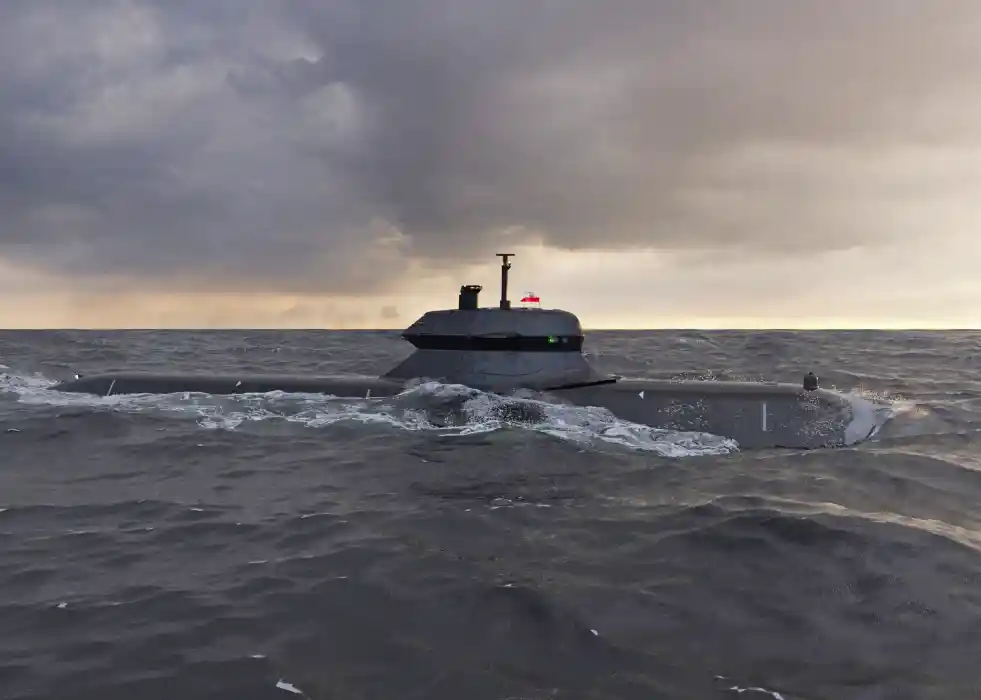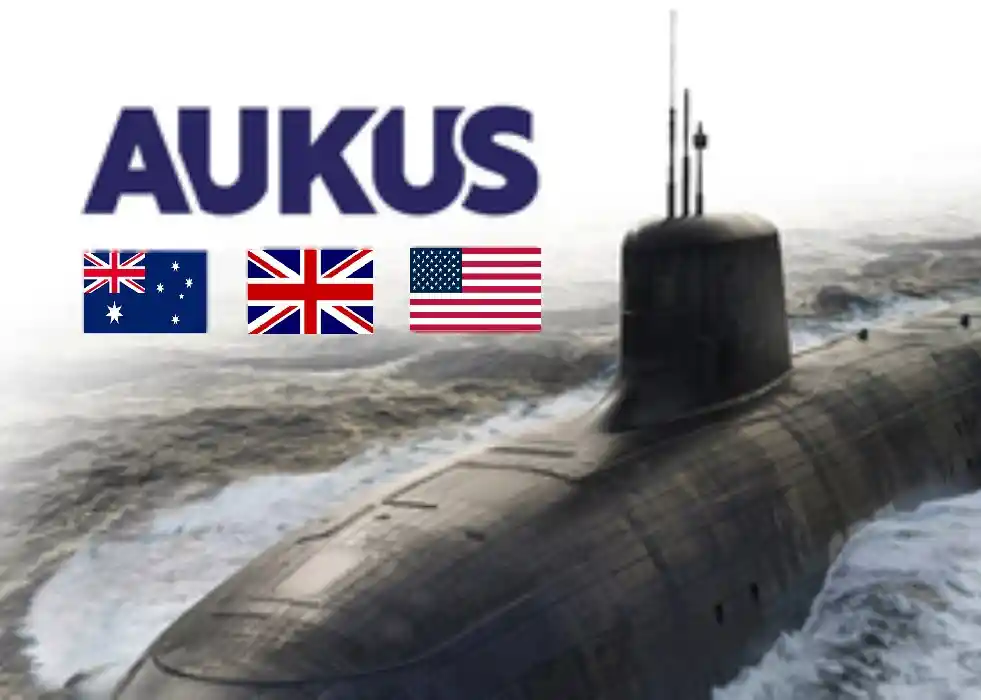
The U.S. Department of War has concluded its five-month evaluation of the AUKUS partnership, announcing that the trilateral submarine cooperation will continue as originally planned. The decision follows concerns raised earlier in the year under Washington’s “America First” policy review, which questioned whether U.S. shipyards could sustain both domestic submarine demand and the program’s commitments to Australia.
According to Reuters, the review was led by Under Secretary of War for Policy Elbridge Colby, who previously warned that nuclear-powered submarines were a scarce and critical asset, and that U.S. industry alone could not produce enough to satisfy American requirements. That warning had briefly left AUKUS swinging in uncertainty, but the latest review effectively places the pact back on its original track.
However, the Pentagon now says the evaluation identified “opportunities to put the deal on the strongest possible footing,” signalling that the United States will proceed rather than pause or narrow the pact. The outcome shows Washington's bigger strategic plan: even though the economy is weak, the balance of power in the Indo-Pacific is changing, thus strong regional alliances are necessary.
The decision was made because the U.S. knows it can't handle China's growing naval presence on its own. Proceeding with AUKUS—particularly the sharing of Virginia-class submarines and associated industrial know-how—positions Australia as a more capable maritime partner while ensuring that the U.S. is not isolated in a tightening strategic contest. In essence, Washington has accepted that sharing finite submarine resources with Canberra is strategically preferable to confronting Beijing without fully capable allies.
Author: Özgür Ekşi