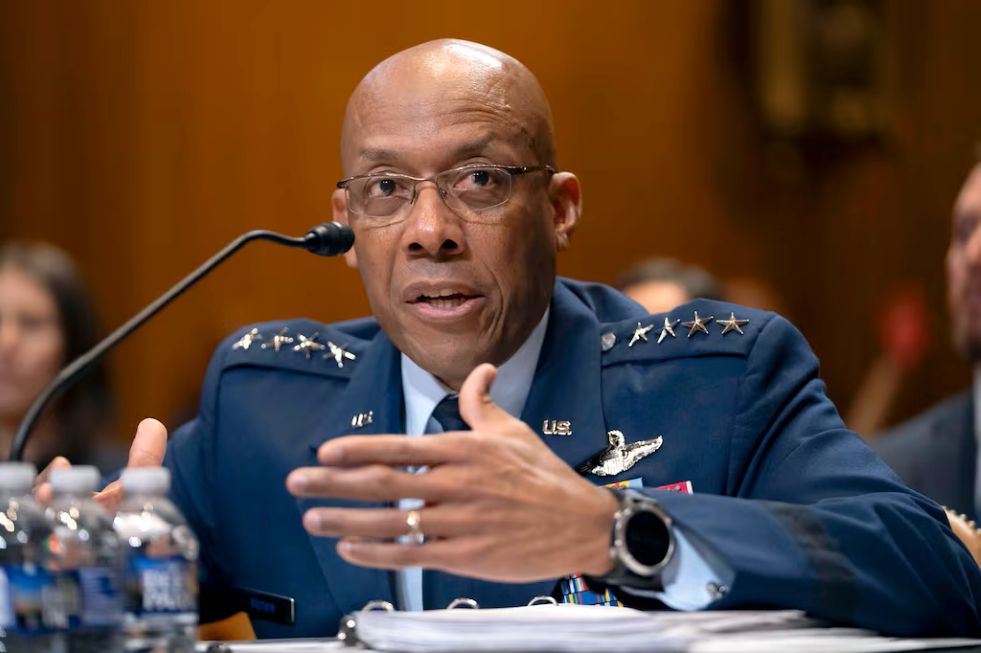
The changes started with Gen. CQ Brown, the Chairman of the Joint Chiefs of Staff; Adm. Lisa Franchetti, the Chief of Naval Operations; and Gen. Jim Slife, the Vice Chief of Staff of the Air Force, being let out. These dismissals point to a larger Department of Defence strategic change away from the last government's emphasis on diversity and inclusion objectives. Rather, the present leadership seems to prioritise operational preparedness and congruence with the strategic goals.
President Trump has proposed that retired Air Force Lt. Gen. Dan Caine be the next Joint Chiefs chairman. Renowned for his operational knowledge and commercial experience, Caine's nomination can be considered a means to match military leadership with the administrative emphasis on efficiency and war preparedness. Recently working with Shield Finance, a startup finance business, Caine has a reputation for promoting innovation and upgrading military technology—a benefit as the US refines its attention on Arctic security.
Global warming creates new marine paths in the Arctic area. Due to its proximity to the Arctic, Russia will likely control this route with its military presence. Trump's interest in Greenland and Canada shows that the US sees it as a vital front for its geopolitical conflict.
Her discharge is especially noteworthy because Adm. Franchetti was the first woman to serve as a service chief in the US Navy. Meanwhile, Gen. Brown's absence represents a dramatic departure from the previous government's initiatives to foster diversity within the military services. Although the official remarks highlighted their illustrious professions, the sudden manner of their removal raises questions regarding the political considerations behind these developments.
Pete Hegseth, the Secretary of Defence, has asked for fresh nominations for senior positions throughout the Army, Navy, and Air Force, implying a thorough overhaul of the military's highest echelons. Observers contend this may result in a more centralised command structure whereby military policy is more closely linked with the president's vision.
Critics caution that the politicisation of military leadership might compromise the US armed services' conventional nonpartisan character. Furthermore, the question is whether emphasising political allegiance above merit-based selections could lower institutional professionalism and affect morale.