Renault’s potential role in producing drones for Ukraine has unsettled its workforce, reviving memories of its controversial wartime collaboration with the Nazi.
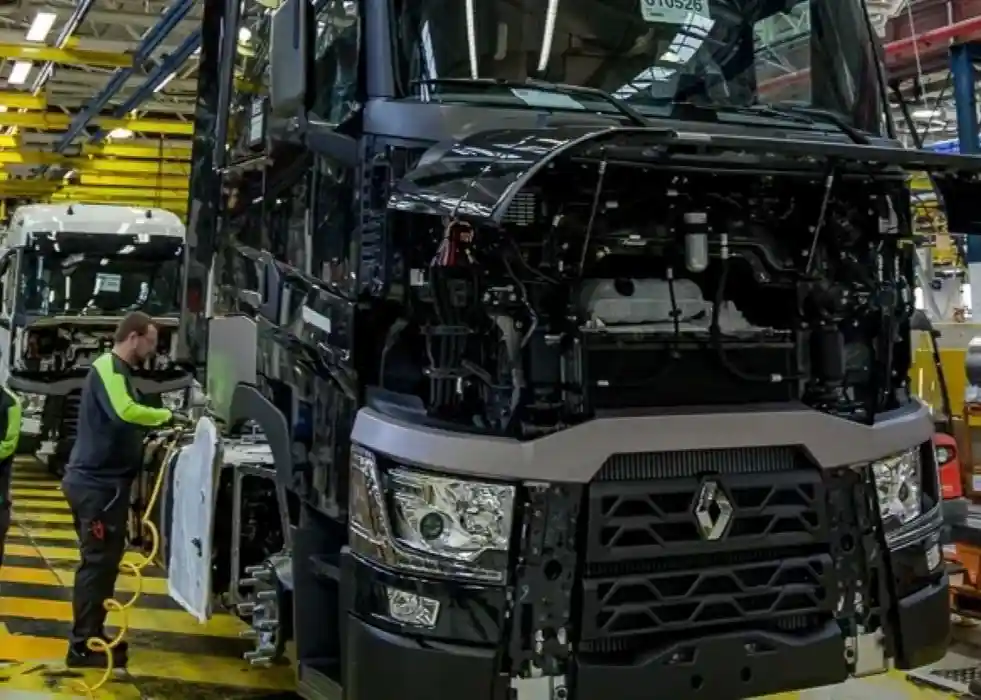
Renault has been approached by the French Ministry of Armed Forces to dedicate part of its production lines to military drone manufacturing. For many employees, the idea is unacceptable.
According to Caroline Morisseau’s report on bfmtv.com, workers were caught off guard by Defence Minister Sébastien Lecornu’s early-June announcement. Renault was asked not only to supply drones for France, but also for Ukraine — a prospect that has angered sections of the workforce.
“Many workers have confronted us, they signed up to make cars, not weapons,” a Force Ouvrière union official told BFM Business.
“Some already want to know if they can refuse such an assignment,” confirmed a CGT delegate, who has begun working on the issue.
The subject is especially sensitive because, unlike defence companies, Renault employs large numbers of foreign workers. Russians and Ukrainians work together on the production lines. Asking them to manufacture drones destined for a war that directly pits their nations against each other could generate serious tensions.
Others fear that Renault could become a target of increasingly violent cyberattacks.
The management is aware of how explosive the issue is. Supervisors have been ordered to stick strictly to the official line: yes, Renault has been contacted by the Ministry of Armed Forces, but nothing has been decided. According to a union source, production might initially be assigned to the group’s plant in Slovenia — a way to distance the controversy and reduce tensions.
Renault has a controversial history when it comes to the defence industry. During the First World War, the company produced shells. But this is not the first time Renault has faced accusations of letting France down in military matters.
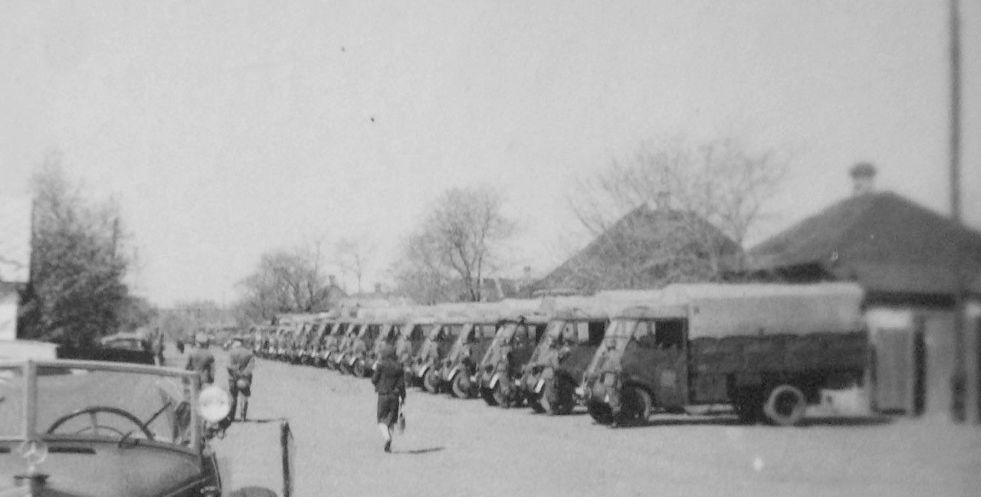
After the German occupation in 1940, Renault’s factories continued to produce lorries, armoured vehicles, and equipment for the Wehrmacht. The company became particularly known for supplying lorries and tank engines to the German army.
The company was criticized for “Abandoning France”. In French public opinion, this production was seen as serving the enemy rather than supporting the Resistance. Other manufacturers, such as Peugeot and Citroën, sought more limited adaptation to occupation demands, while Renault’s eagerness stood out.
Post-war consequences: When France was liberated in 1944, Louis Renault was arrested for “collaboration with the enemy”. He died in prison before standing trial, under harsh conditions — some claim he was lynched, others that he perished from neglect.
In 1945, Renault was nationalised by the French state, becoming “Société Nationale des Usines Renault (SNUR)”.
Author: Özgür Ekşi