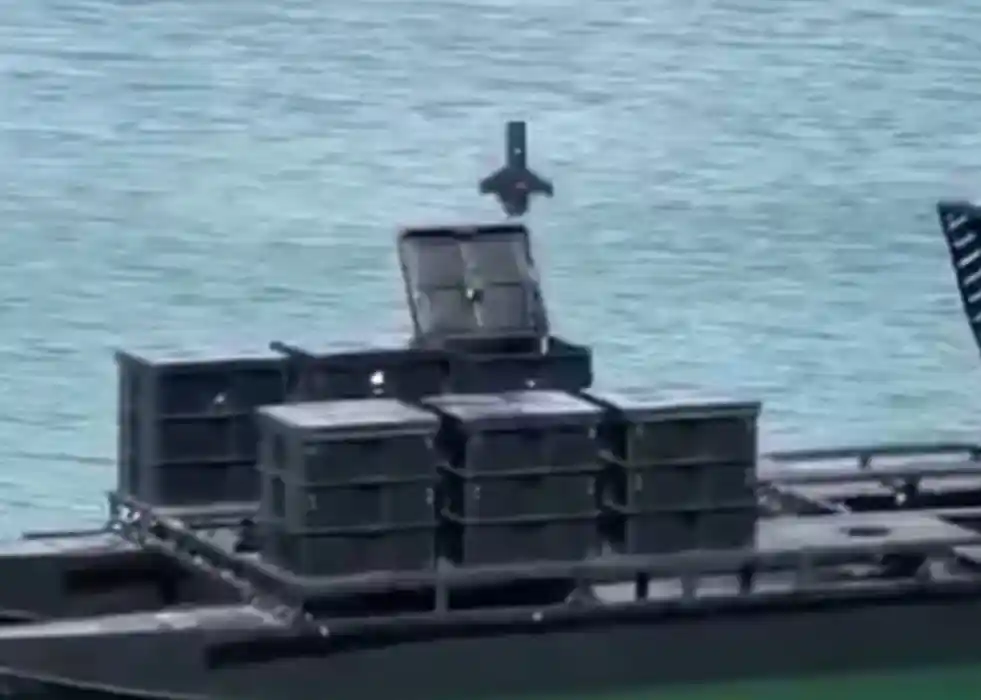
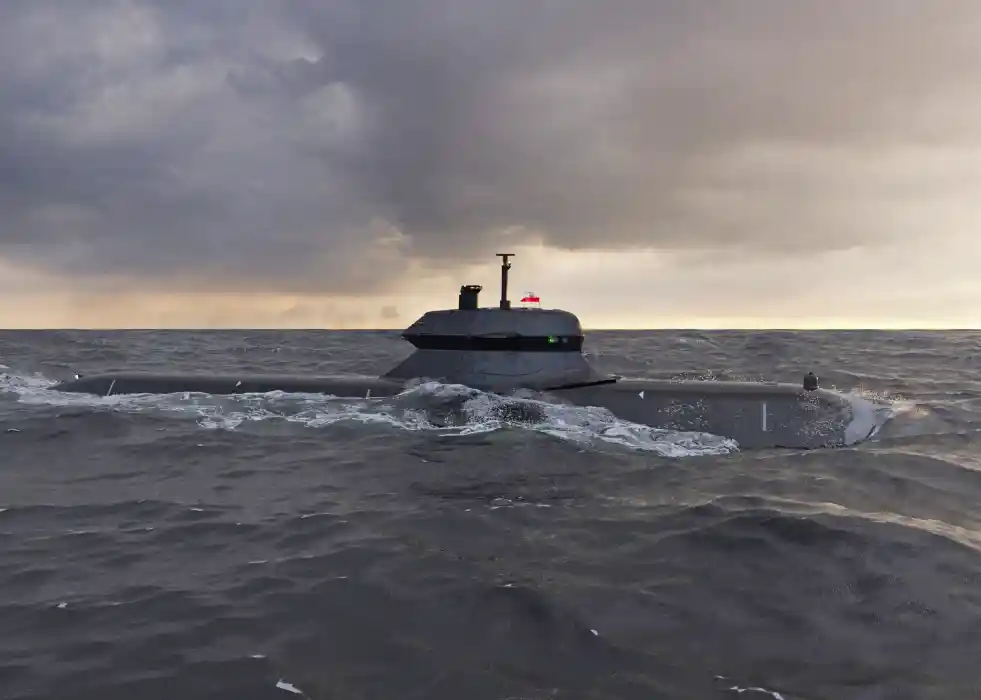
During 12th Naval Systems Seminar, ROKETSAN unveiled the upcoming configuration of MİDLAS VLS for the MİLDEN submarine to use cruise and ballistic missiles.
The 12th Naval Systems Seminar has become a scene to another reveal regarding the Turkish Navy’s missilery in the near future, this time for the submarines.
According to the presentation of ROKETSAN, MİDLAS adapted for submarines will be capable of using Gezgin or Atmaca UM land attack cruise missiles, Atmaca anti-ship missiles, and more interestingly the Tayfun SRBM.
ASFAT teased VLS capability for MİLDEN during SAHA EXPO 2024, and a MİDLAS variant for submarines was stated by ROKETSAN’s Launcher Systems Manager Mustafa Özdemir in Euronaval 2024.
Atmaca UM as Interim Solution for Land Attack
Atmaca UM is the purpose-built land-attack version of the Atmaca anti-ship missile with more weight, longer range, and terrain-hugging flight thanks to the different guidance systems. It is primarily designed to be launched from trucks with ROKETSAN’s modular launcher interface.
While the long-range Gezgin is expected to be a counterpart to heavy land attack cruise missiles like Tomahawk and Kalibr, it has more distance to take to be introduced to naval service compared to Atmaca UM.
The lighter Atmaca UM, on the other hand, was test-fired at ranges around 400 km and has proven its capability to hit the targets.
Sharing components with Atmaca and being closer to operational status, it is likely that the missile is being explored as an interim solution until Gezgin is available for submarines.
Of course, it might not be limited to submarines only. The baseline MİDLAS is also being proposed with the capability to launch Atmaca missiles, which means I-class frigates have the potential to be fitted with greater land attack capabilities.
Tayfun SRBM for the Turkish Navy?
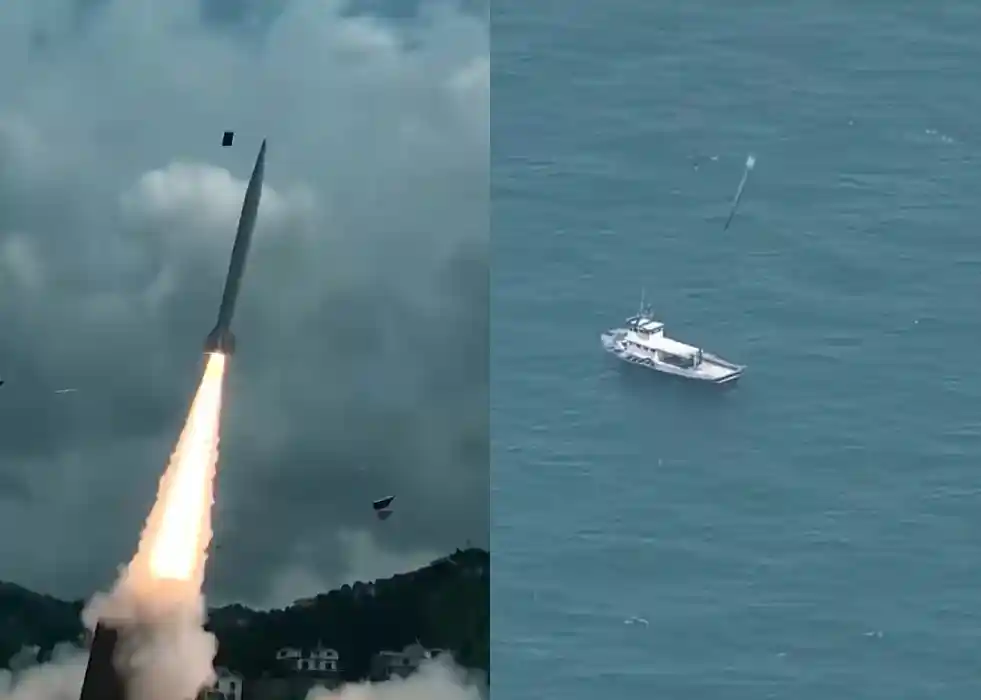
A submarine-launched Tayfun SRBM would likely feature modifications like folding fins as the missile can fit inside strike-length MİDLAS cells quite easily in terms of length. ROK is a practitioner of submarine-launched SRBMs with the KSS-III submarines using Hyunmoo 4-4 SRBMs through modified K-VLS cells.
Compared to a cruise missile, a generic SRBM’s biggest advantage is the significantly smaller time to target, which gives the enemy an equally smaller window to react. While the time to target can reach up to an hour for a land attack cruise missile, an SRBM can cover a similar range in minutes. An SRBM is also less complicated to produce than a land attack cruise missile, thanks to a simpler propulsion system and overall layout.
Tayfun’s latest demonstrations have shown very low deviation from the target and high speed. Murat İkinci previously stated a range of 1000 km for Block I and 1500 km for the Block II configuration of Tayfun during an interview with CNN Türk in 2023.
While SRBMs have been mostly available onboard land platforms, the jump in accuracy and evasive measures over the past years have sparked interest from some countries like China and Pakistan to use them onboard naval platforms as high-speed hitters with desirable precision. In fact, the U.S. has also expressed interest in deploying SRBMs from naval platforms.
Author: Kaan Azman
Editor: Özgür Ekşi