Russia proposes full source code access to Su‑57E for India’s MRFA tender. Russia makes such offer for the first time: complete access to the source codes of its Su-57E fifth-generation fighter. The offer is part of India's ongoing Multi Role Fighter Aircraft (MRFA or MMRCA 2.0) tender, which includes the Dassault Rafale, the Lockheed Martin F-21 (F-16V variant), the Boeing F/A-18E/F Super Hornet, the Boeing F-15EX Eagle II, the Saab JAS 39 Gripen E/F, the Eurofighter Typhoon, the Mikoyan MiG-35, and the Su-57E.
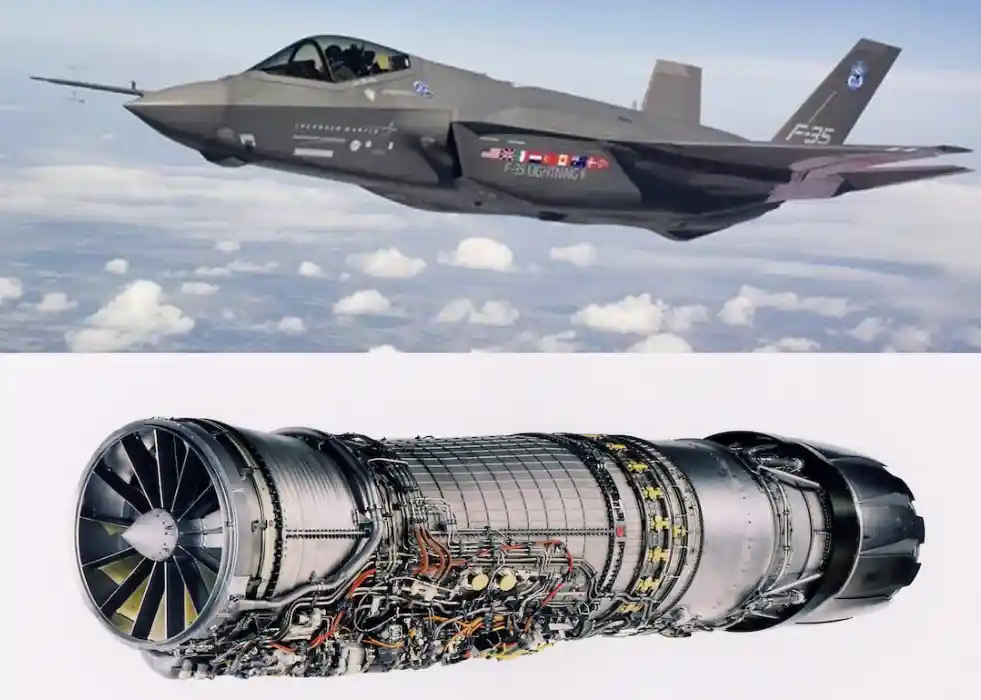
The United States is reportedly offering a “special pathway” rather than directly entering the F‑35 into the race.
Integrated with Super‑30
Indian military sources said that the anticipated Su-57E variant will include important technology that are already being used in the Indian Air Force's current Super-30 upgrade program for its Su-30MKI fleet. These upgrades were made by Hindustan Aeronautics Limited (HAL) and Russia's United Aircraft Corporation (UAC). The idea is to upgrade 150 to 200 Su–30MKI planes to 4.5+ generation fighters with better avionics, AESA radar, and electronic warfare capabilities.
The Su-57E would include an AESA radar based on GaN and a mission computer created in India, which would allow it work with Indian systems. This will let Indian-made weapons like the Astra BVR missile and precision-guided munitions (PGMs) function together better. It's another step towards India's goal of being technologically autonomous.
The Strategic Depth of Atmanirbhar Bharat
The offer for the Su-57E might be the second big step forward in India's Atmanirbhar Bharat (self-reliant India) drive.
It complements existing Indo‑Russian cooperation and builds on India’s recent defence industrial milestone — the agreement between Tata Advanced Systems and Dassault Aviation to produce Rafale fuselage sections in Hyderabad.
In addition to bolstering India's air combat capability, this offer introduces a doctrinal shift towards deeper platform customisation and long-term autonomy in mission systems architecture.
If accepted, the Russian offer may alter the dynamics of India’s fighter procurement strategy, placing technology transfer and source code access as defining metrics in the country's modernisation efforts.
Author: Özgür Ekşi