The new executive order aims to simplify arms sales procedures, potentially boosting U.S. defence exports while raising concerns about technology leaks.
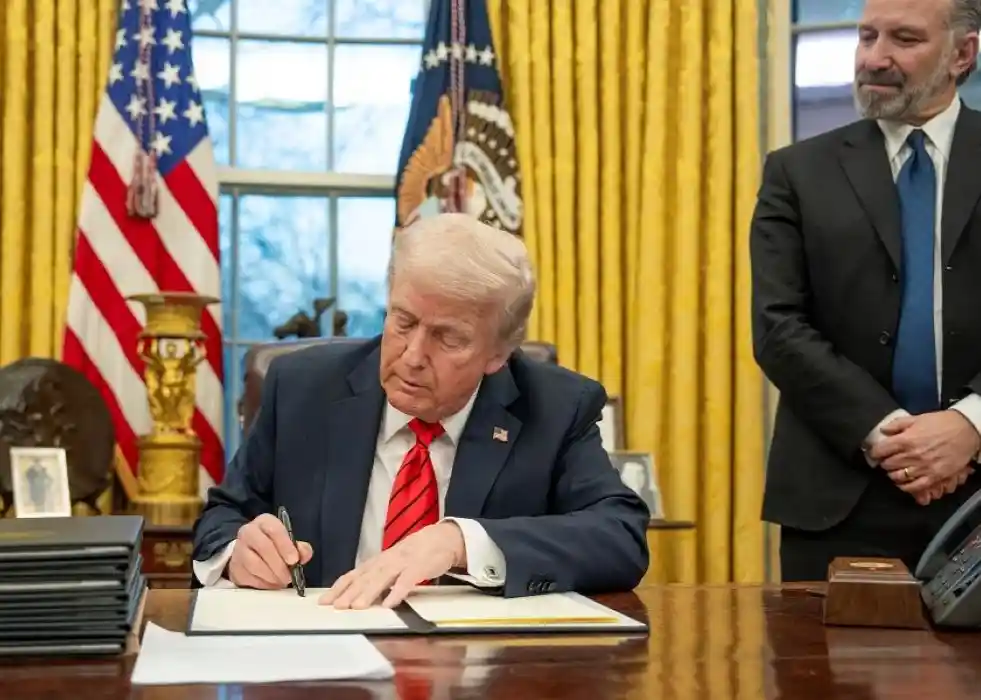
US President Donald Trump signed an executive order on April 9 to streamline foreign military sales, aiming to eliminate regulatory inefficiencies that have long hindered defence exports. The move is intended to boost U.S. defence manufacturing and enhance military support to allies, even as it sparks renewed concerns about unchecked arms transfers and sensitive technology proliferation.
Executive order targets export red tape
The order mandates a comprehensive review of arms export rules, directing the Departments of Defense, State, and other agencies to revise existing procedures. At the Oval Office signing ceremony, White House aide Will Scharf criticised the current system for creating “inefficiencies and inconsistencies” that delay arms transfers to allies. He emphasised that the new policy would create jobs and revenue for U.S. defence companies while improving support to strategic partners.
The initiative echoes legislation previously proposed by Trump’s current National Security Adviser, Michael Waltz, who had advocated for a more aggressive arms export strategy during his time in Congress.
Protectionist strategy with selective liberalisation
Trump’s executive action complements his broader economic agenda, which is marked by tariff increases against many importing countries, with China as a key target. While import restrictions serve to protect small and medium-sized domestic industries, the relaxation of arms export rules appears to be a calculated effort to boost U.S. manufacturing, particularly giant defence contractors.
This shift may reverse a long-standing pattern in U.S. defence policy: retaining cutting-edge domestic systems while exporting older generations to allies. Although intended to strengthen the U.S. economy, easing export controls may inadvertently expose advanced technologies to foreign actors.
Benefits for major defence firms
Major military companies, including Lockheed Martin, RTX (previously Raytheon Technologies), and Boeing, are likely to gain from the presidential order. Provided the congressional investigation does not reassert itself, these companies might have more access to foreign markets.
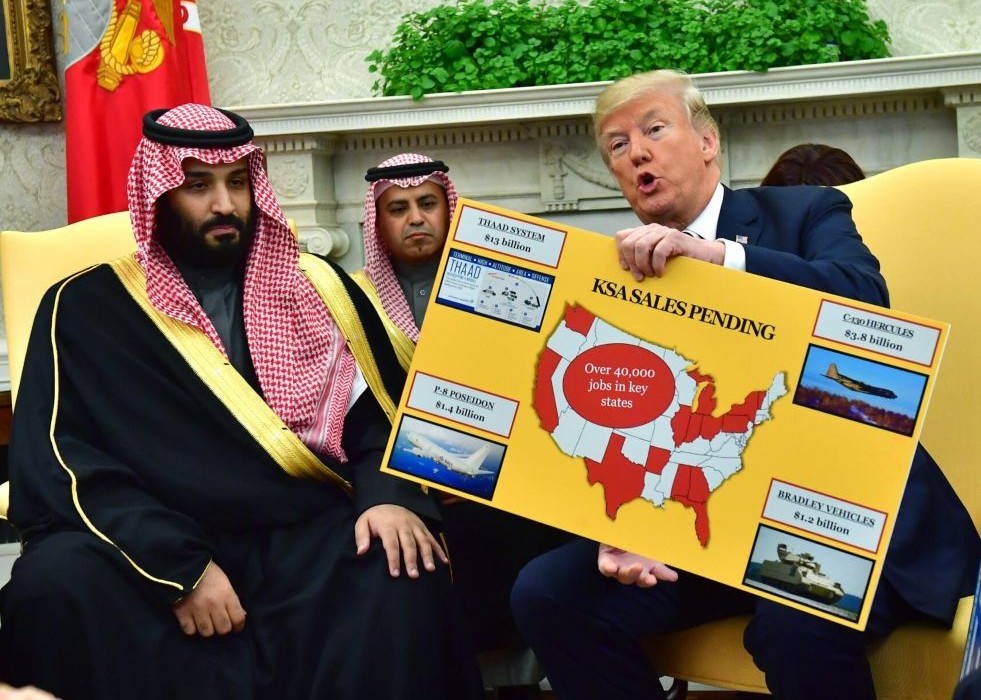
Under the Arms Export Control Act, Congress oversees notable weapon transactions depending on the amount and kind of the transaction. Trump, on the other hand, has a track record of ignoring congressional assessments. Drawing condemnation from politicians across the political spectrum, he declared a national emergency in 2019 to complete a $8 billion arms transaction with Saudi Arabia, the UAE, and Jordan.
Broader implications for defence procurement
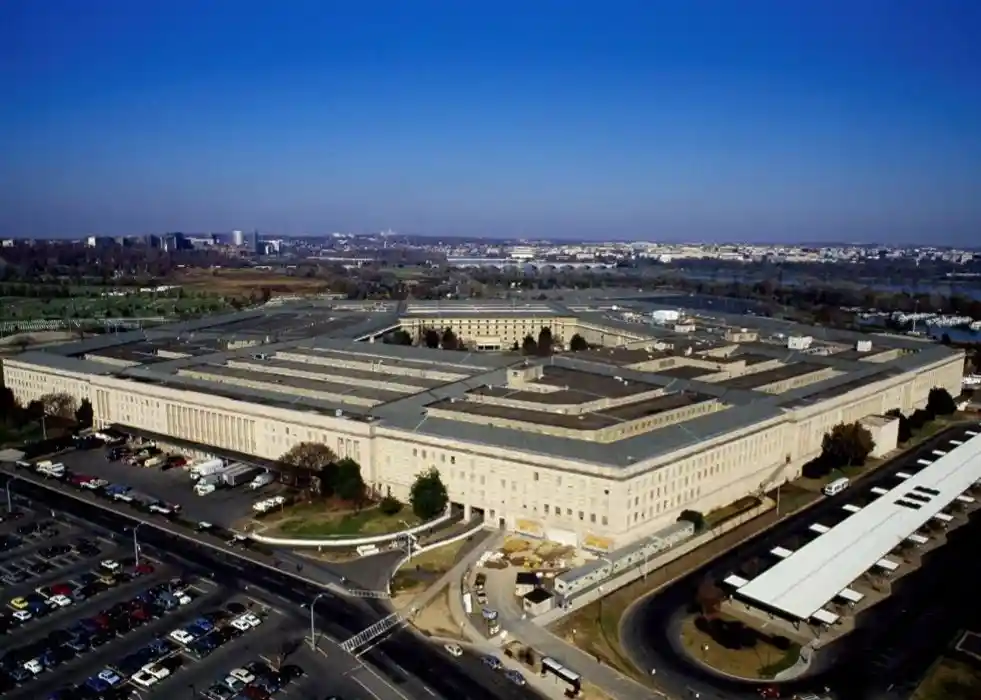
In parallel, Trump signed a second executive order to overhaul the Department of Defense’s procurement system. The measure seeks to modernise acquisition processes to respond faster to global threats and optimise value in defence spending. According to Scharf, the review aims to ensure the Pentagon acquires the “best possible systems” efficiently and cost-effectively.
Trump’s executive action complements his broader economic agenda, which is marked by tariff increases against many importing countries, with China as a key target. While import restrictions serve to protect small and medium-sized domestic industries, the relaxation of arms export rules appears to be a calculated effort to boost U.S. manufacturing, particularly giant defence contractors.
Author: Özgür Ekşi