Türkiye’s unmanned surface vehicle (USV) programme reached a key milestone as the ULAQ officially entered service with the Turkish Naval Forces. The ULAQ product family is widely recognised as the platform that first introduced Türkiye to the USV concept, transforming the idea of unmanned naval warfare from a theoretical discussion into an operational capability.
ULAQ was the first system through which the armed USV concept was demonstrated in Türkiye as a weaponised, sensor-equipped and network-enabled naval platform. In doing so, it laid the foundations of Türkiye’s unmanned maritime doctrine and opened the way for subsequent naval unmanned systems.
The ULAQ 12 ASuW/ASW variant that was provided is made for both anti-surface warfare (ASuW) and anti-submarine warfare (ASW) missions. In the function of anti-surface warfare, ULAQ is set up to find, follow, and attack surface threats using a built-in sensor-to-shooter chain. The platform has a remote-controlled weapon station that can fire either a 7.62 mm or 12.7 mm machine gun. This lets it combat quick assault craft, small boats, and unmanned surface threats at short and medium ranges. A high-resolution electro-optic sensor helps in target detection, identification, and fire control which performs day and night. For higher-value or longer-range surface targets, ULAQ can be outfitted with a surface-to-surface missile system. This expands its engagement envelope beyond cannon range and allows for stand-off strikes. With this setup, ULAQ may perform ASuW tasks on autonomously or as part of a networked force with manned surface combatants. These missions can include port and coastal defence, escort, forward screening, and interdiction.
ULAQ can work in shallow seas, small straits, port openings, and areas close to shore since it has a very shallow draft of only 0.85 meters. The platform is also built to work in Sea State 5, which means it may be used for more than just coastal protection. It can also be used for open-sea patrol, escort, and forward reconnaissance missions.
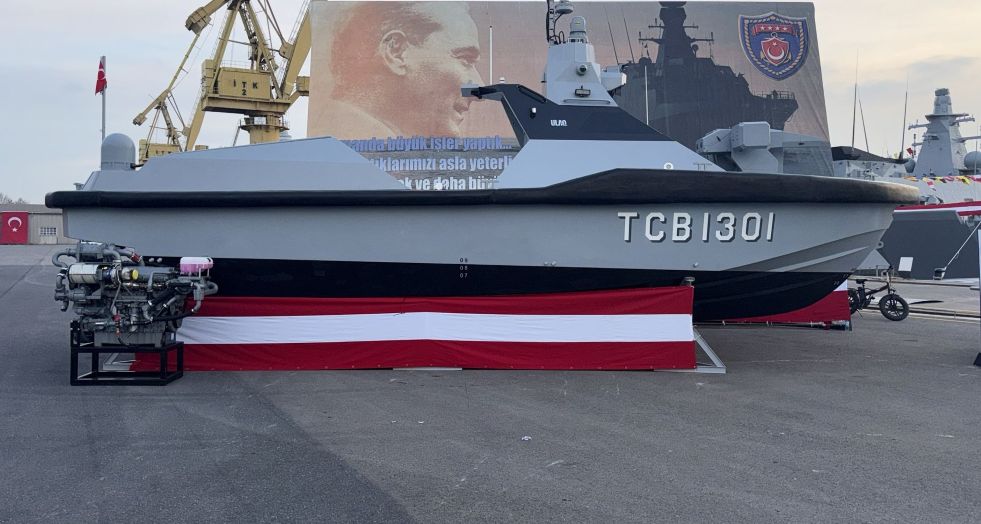
The platform uses TMSN460 marine engine locally produced in Turkiye by TÜMOSAN. The homegrown powerplant lets ULAQ reach top speeds of more than 35 knots and a range of more than 400 nautical miles at cruising speed. This makes logistics more stable and gives the company greater operational freedom.
ULAQ has already demonstrated its export potential. In 2024, the platform was delivered to Qatar, marking one of Türkiye’s earliest concrete export successes in the field of unmanned naval systems and confirming the platform’s adaptability to different operational requirements.
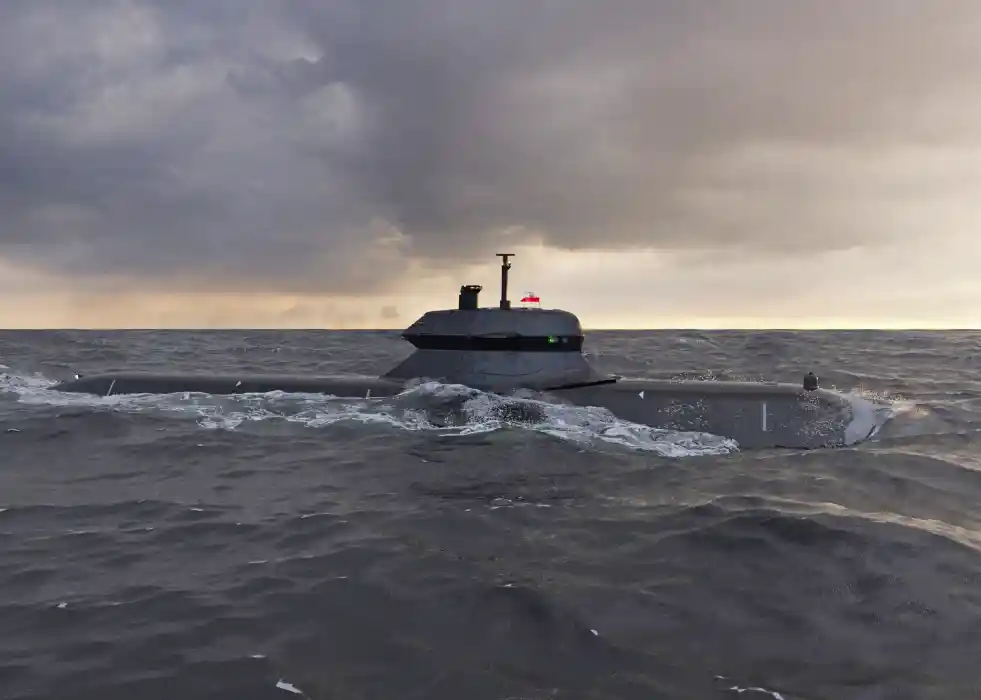
The importance of resilient unmanned maritime capabilities has been underscored by recent developments in naval warfare. In December 2025, Ukrainian forces claimed to have struck a Russian Kilo-class submarine in the Black Sea with an armed underwater drone — reportedly the first such attack on a submarine using an unmanned underwater vehicle. The strike on the Novorossiysk naval base target highlighted emerging asymmetric threats to fixed maritime assets and emphasised that secure naval bases and littoral approaches are more critical than ever in high-intensity conflict zones.
With its entry into service, ULAQ now stands as a system that introduced Türkiye to the armed USV concept, serves actively within the Turkish Naval Forces and has secured an export customer, positioning it as a mature and scalable element of Türkiye’s evolving unmanned maritime warfare architecture.
Author: Özgür Ekşi