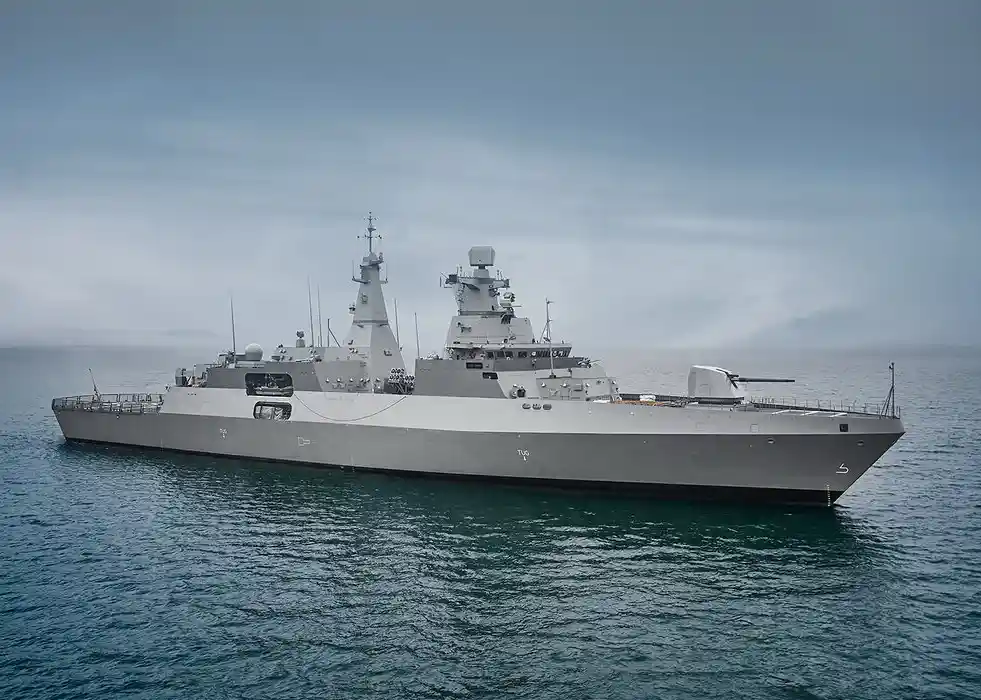
Commander of the Turkish Navy Ercüment Tatlıoğlu announced the class name for TF-2000 destroyers as Tepe-class, inherited from the retired frigate class.
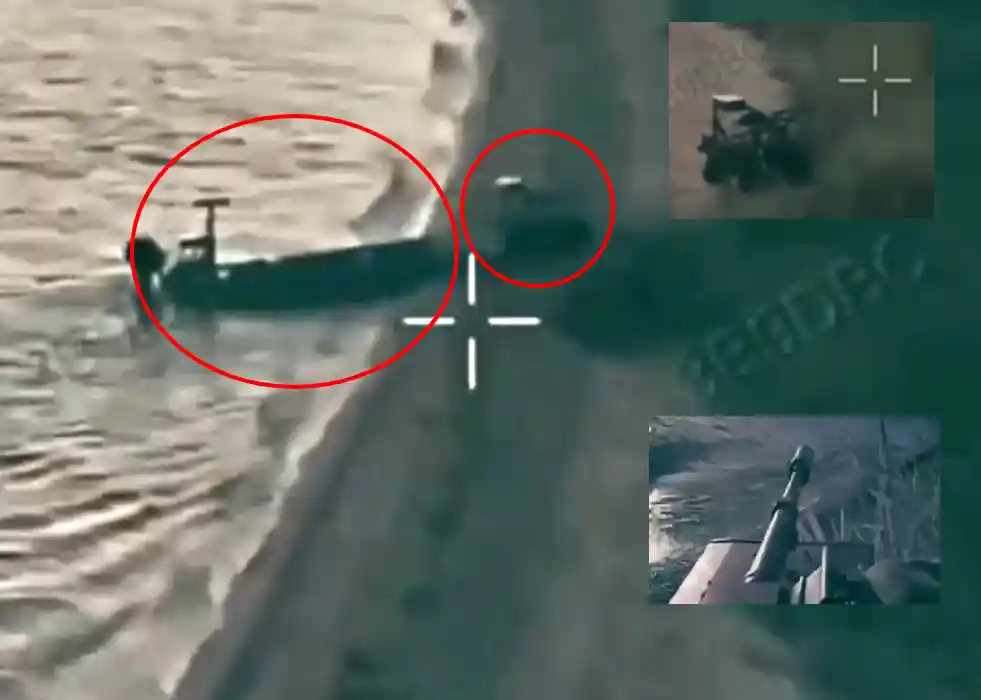
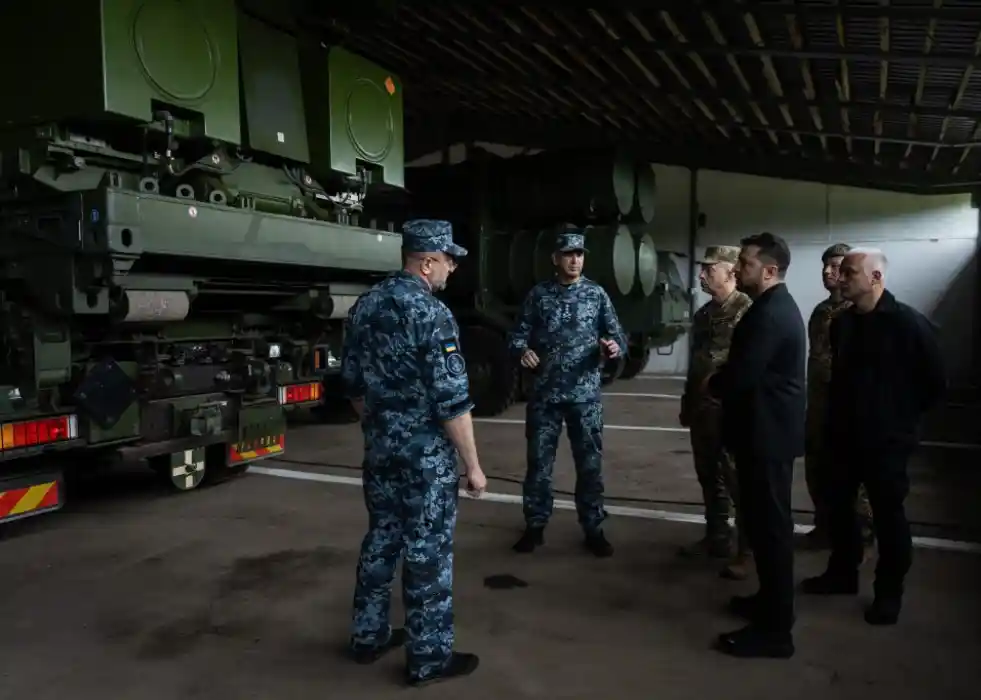
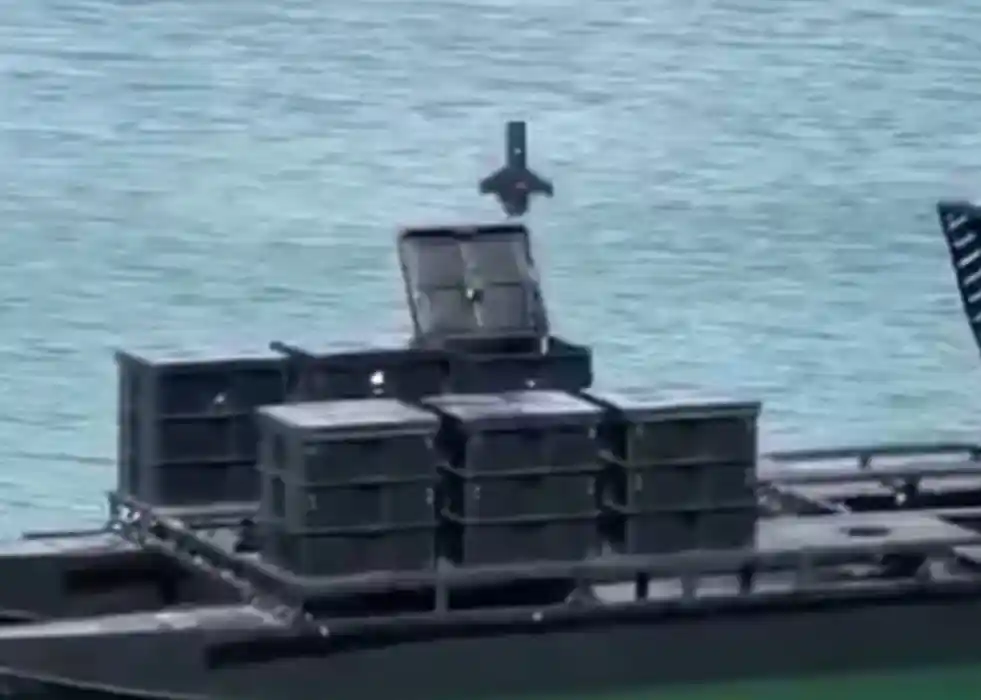
TF-2000 AAW destroyers, the first of which is being built, have officially been named as Tepe-class destroyers. The name was mentioned by the Commander of the Turkish Navy, Ercüment Tatlıoğlu, during the delivery ceremony held for Hisar-class TCG KOÇHİSAR OPV (P-1221), ULAQ USV, New Generation Landing Craft (Ç-159) for the Turkish Navy and PNS Khaibar (F-282) corvette.
Historical Context of the Name Tepe-Class
TF-2000 inherits the Tepe-class name from the retired class of eight frigates, which previously served as Knox-class in the US Navy. Before the ex Knox-class frigates, Tepe-class was also used for the ex Gearing-class destroyers which were modernised and delivered to the Turkish Navy in the 1970s. Tepe-class frigates, which served until 2012, were primarily built as ASW frigates with an armament including Mk42 127 mm naval gun, Phalanx CIWS, and Mk16 eight-round missile launcher (RUR-5 ASROC and RGM-84 capable).
The Tepe-class frigates were transferred from the US Navy as part of a compensation for the TCG Muavenet Incident (1992), in which RIM-7 Sea Sparrow air defence missiles fired from USS Saratoga (CV-60) aircraft carrier hit the minelaying destroyer TCG Muavenet during an exercise, resulting in five deaths and 22 injuries, as well as the decommisioning of the destroyer.
In the aftermath of the incident, a non-judicial punishment (NJP) was placed on key members of the commanding crew of USS Saratoga, including the captain, resulting in removal from Navy service. However, a key detail regarding NJP is that no court-martial is held for the punishment. In the case of a court-martial, there is a potential for punishments on top of removal from service, such as prison time.
The US Navy claimed that the firing of live rounds was an accident (Due to ‘miscommunication’ between the crew members). However, there are certain details worth noting, which make the claims from the US side unconvincing, especially in the eyes of the Turkish public, with the decades past not mattering at all. In fact, in 1992, Turkish–US relations were strained by deep mistrust over Northern Iraq, Operation Provide Comfort and security priorities, with the Muavenet incident emerging as a symbolic manifestation of this broader strategic tension.
Multiple confirmations are needed before firing a missile like RIM-7 (especially in exercise settings), which weakens the claims of an accident. Additionally, the US rejected the legal action request from the Turkish sailors who served onboard TCG Muavenet, dodging the request with the excuse of the unwillingness of the courts to ‘interject into the chain of command and international relations’ and deeming the NJP as ‘sufficient’.
This is not the first case of a USN carrier being directly involved in a friendly fire incident at an exercise. Just a few years before the TCG Muavenet incident, an F-14 Tomcat fighter operating from USS Saratoga shot down a USAF RF-4C reconnaissance aircraft, resulting in the F-14 pilot’s removal from service.
The first of the Tepe-class frigates was named TCG Muavenet (F-250) in honour of the minelaying destroyer. As of today, the Tepe-class name is being carried on by the destroyers to form the backbone of regional air defence in the Turkish Navy.
TF-2000 / Tepe-Class AAW Destroyers
Tepe-class destroyers are the step after I-class frigates (Lead ship TCG İstanbul F-515 in service with eight ships in total to be built) within the scope of the MİLGEM programme.
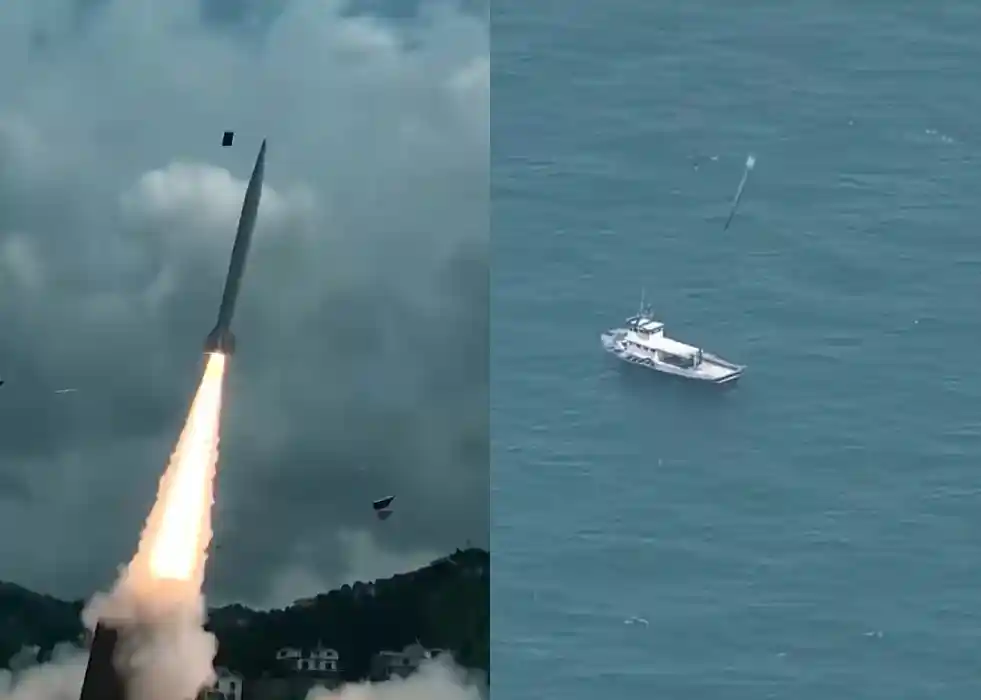
Weapons load for Tepe-class mainly includes 96 strike-length MİDLAS VLS cells capable of firing a wide range of air defence missiles (HİSAR-D, SİPER Block 1-D/2-D, and SAPAN G/M-1/2) and cruise missiles (ATMACA AShM and GEZGİN LACM). Other weapons are PDMS (GÖKSUR or LEVENT), GÖKDENİZ CIWS, 127 mm naval gun, and four RCWS.
In addition to hard-kill weaponry, the Tepe-class will carry fixed array electronic warfare systems and possibly METEKSAN’s NAZAR DIRCM against optically guided munitions.
The destroyers’ sensors include the ÇAFRAD dual-band AESA radar suite, including CENK 500-N X-band MFR and CENK 700-N S-band searching radar. ESM systems, LPI radars, and EO/IR systems are the supporting systems.
The hangars of Tepe-class can house naval helicopters (Up to 15-ton class), UAVs, USVs, and RHIB boats.
Author: Kaan Azman
Editor: Özgür Ekşi