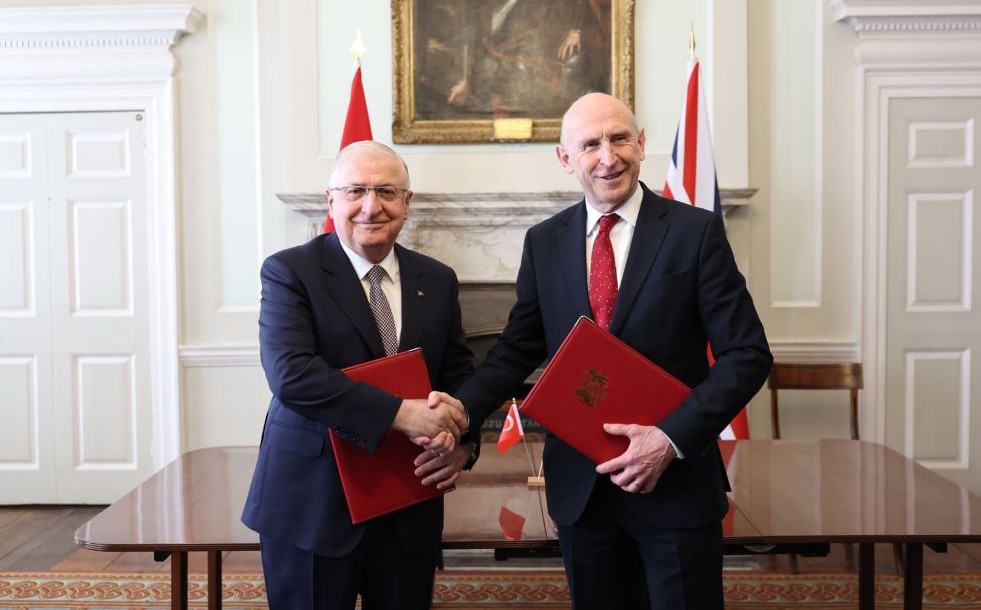
Turkish Defence Minister Yaşar Güler and UK Defence Secretary John Healey signed the G2G agreement. The deal focuses on preparing the operational and logistical backbone required to bring the aircraft into service rather than the aircraft procurement itself.
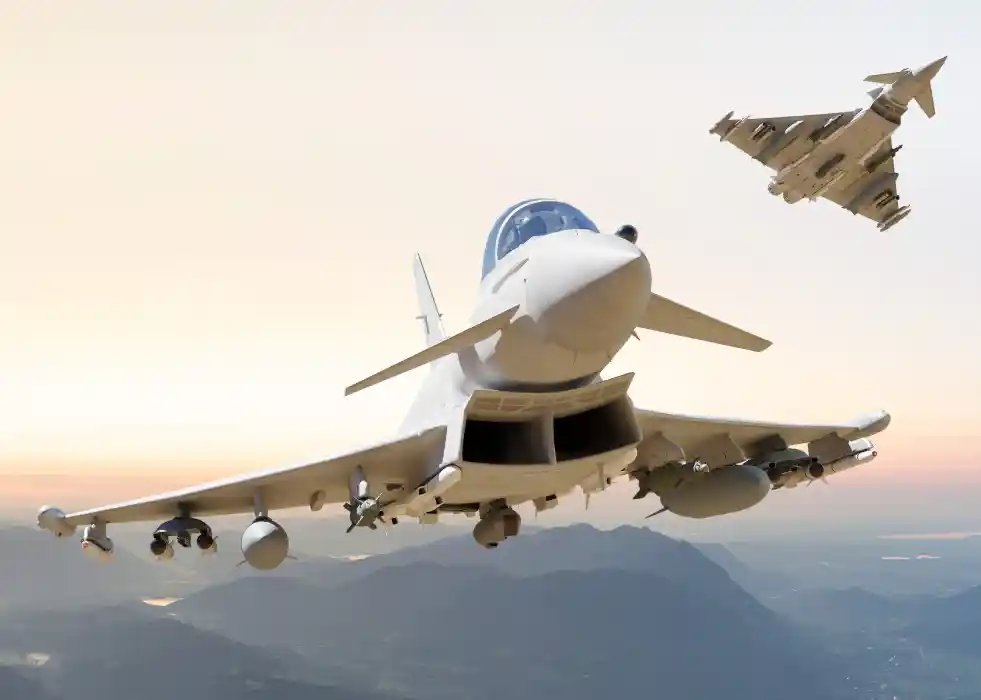
According to a statement released by the UK government, the agreement represents a multi-billion-pound support package linked to the Eurofighter programme. The work includes the delivery of spares, support equipment, pilot and engineer training, high-tech simulators and electronic warfare capabilities.
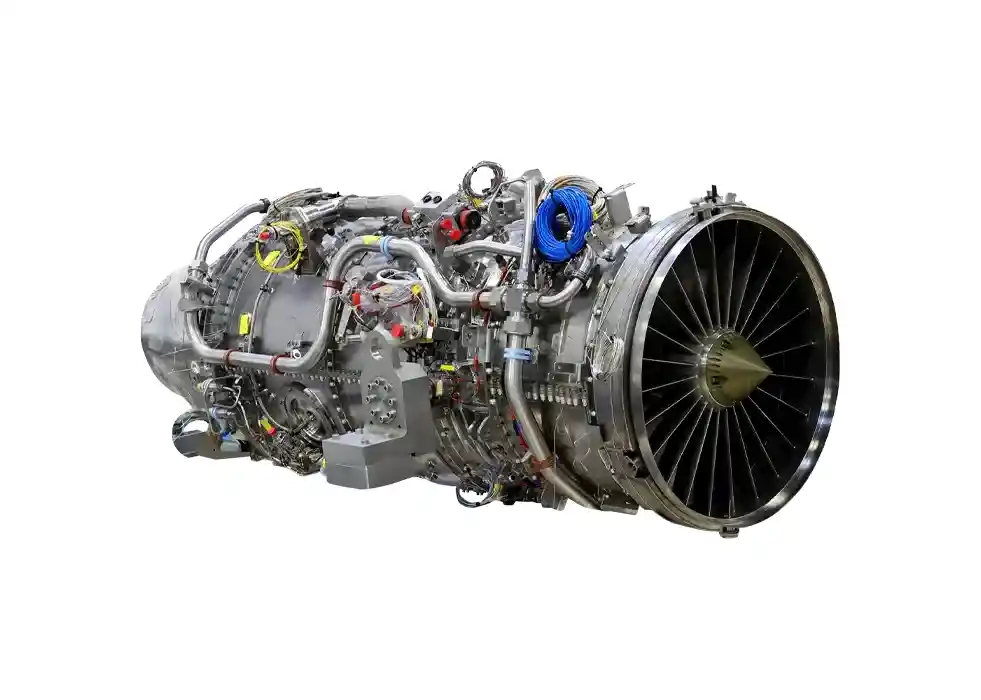
The package will also involve UK defence companies such as BAE Systems (LSE: BA), Leonardo UK (BIT: LDO), MBDA, Rolls-Royce (LSE: RR.) and Martin-Baker in the production of aircraft components and spare parts required for Türkiye’s sustainment of the fleet. Technical support services will also be provided during the first three years following the aircraft’s entry into Turkish Air Force service, helping establish the initial sustainment framework for the fleet.
The agreement is designed to ensure operational readiness while gradually strengthening Türkiye’s independent support and sustainment capability for the platform.
In February, Turkish MoD Press and Public Relations Advisor and Ministry Spokesperson Rear Admiral Zeki Aktürk underlined that the priority was establishing a solid operational foundation for the Eurofighter fleet rather than immediate aircraft deliveries.
He noted that a Turkish delegation would visit RAF Coningsby, the Royal Air Force’s main Eurofighter Typhoon operating base, between 24 and 27 February as part of the preparation process for Eurofighter Typhoon training activities.
The Turkish MoD has also engaged in discussions with Italy regarding Leonardo’s contribution, Qatar for the potential transfer of Eurofighter Tranche 3A aircraft, and Airbus on additional programme aspects.
Under this recent agreement concluded with the UK government, the Royal Air Force will train 10 Turkish instructor pilots and around 100 maintenance instructors, enabling the Turkish Air Force to build an independent Eurofighter Typhoon training capability.
The arrangement also reflects a broader approach in the Eurofighter programme: establishing sovereign training and sustainment capability before aircraft delivery. By building its own instructor and maintenance training pipeline, the Turkish Air Force aims to reduce long-term operational dependence on external support.
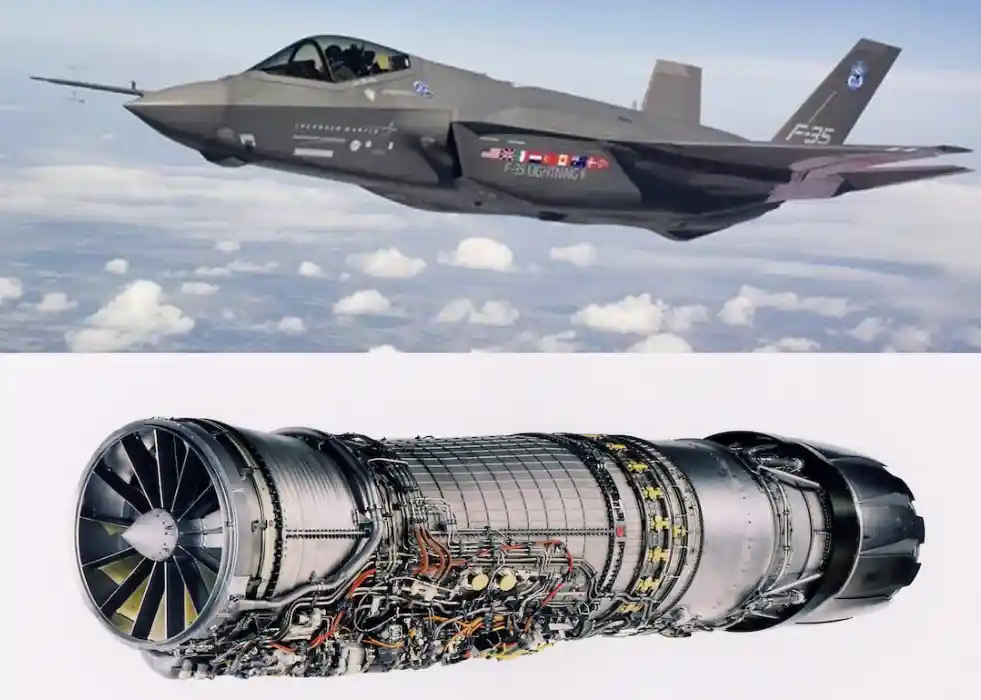
This approach reflects a long-standing institutional reflex within the Turkish Air Force (TurAF). During the F-16 procurement programme, Türkiye not only assembled aircraft domestically but also established engine maintenance and overhaul capabilities at Turkish Engine Industries (TEI). Building sovereign training, maintenance and sustainment capacity from the outset has been a recurring principle in Turkish fighter programmes, aimed at preserving operational independence throughout the platform’s lifecycle.
The arrangement is also expected to deepen defence cooperation between Türkiye and the United Kingdom as the Eurofighter programme progresses toward operational integration.
Author: Kaan Azman
Editor:Özgür Ekşi