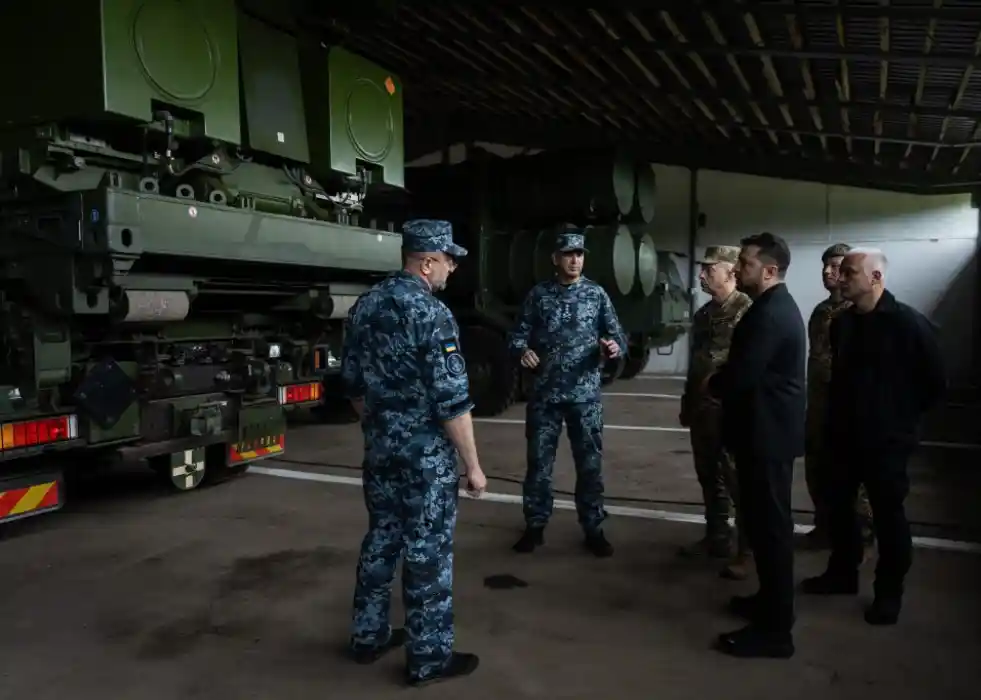
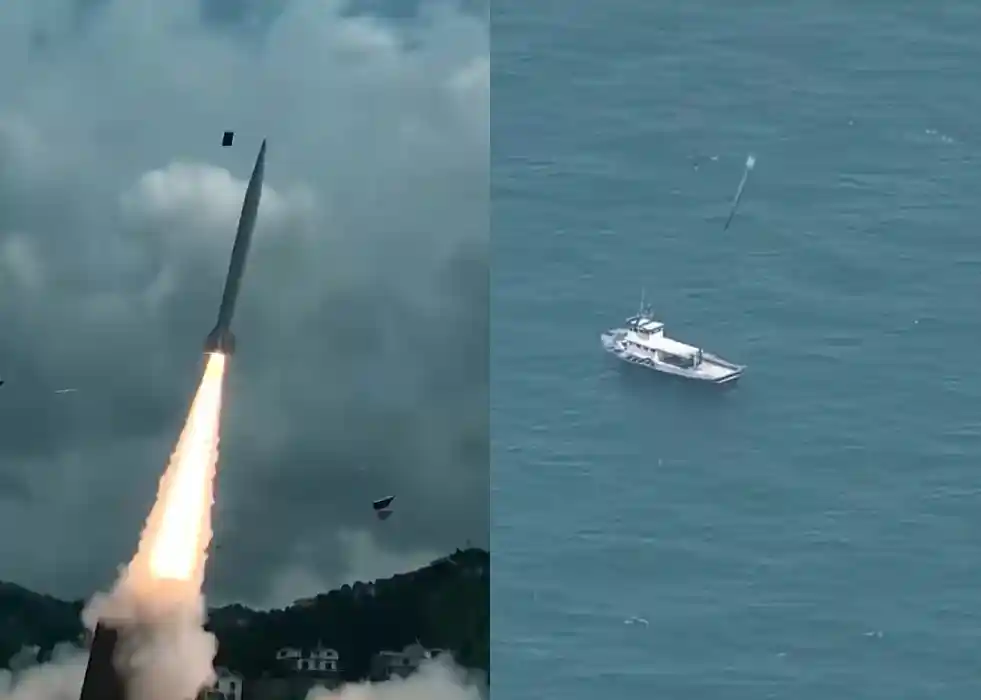
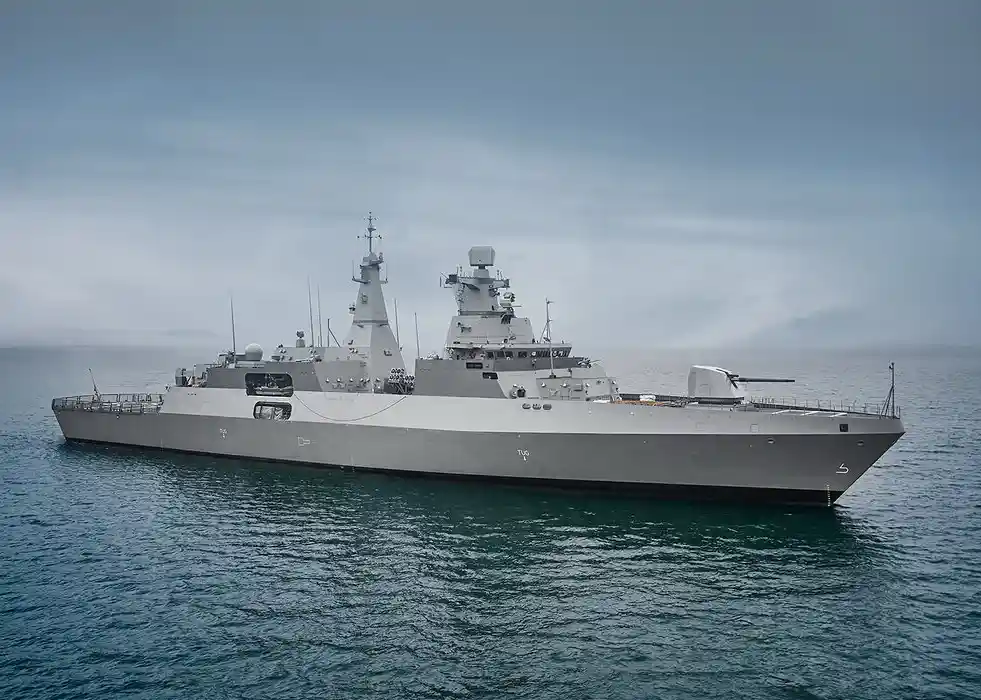
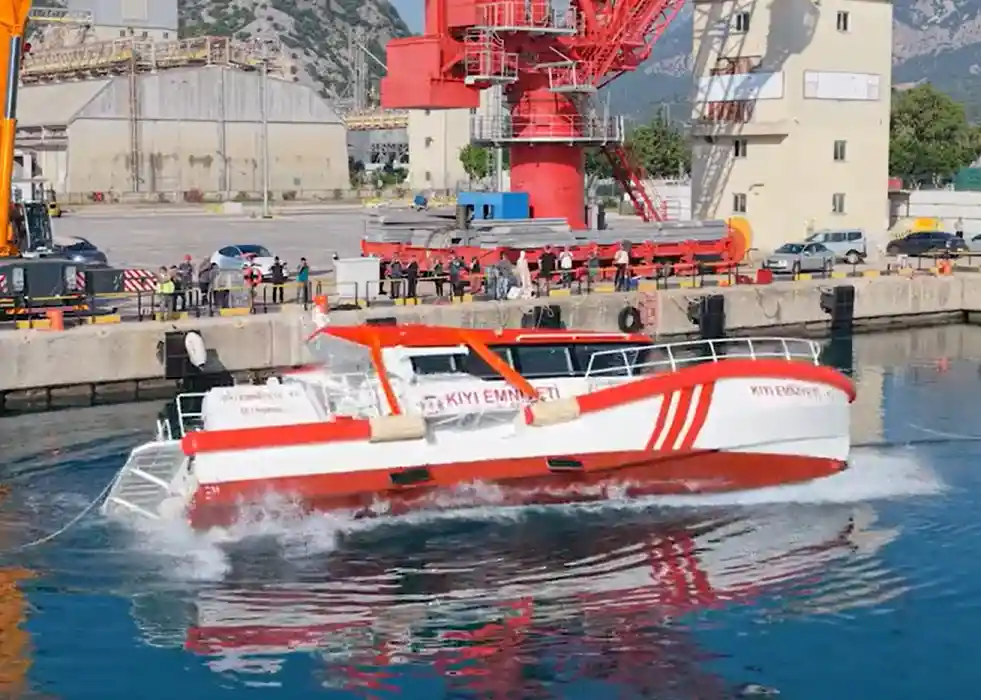
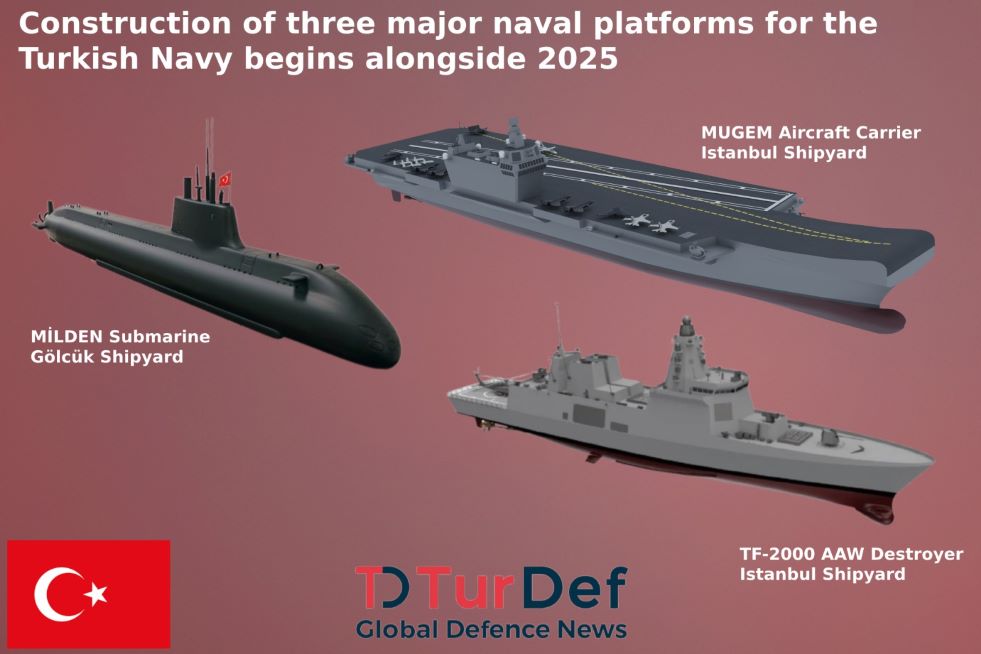
The Turkish Naval Forces welcomed the 2025 with an exercise. The activity took place in the Black Sea, Aegean Sea and Mediterranean Sea between 7-17 January. In addition to the headquarters activities, actual tasks are carried out in the field. This was not surprising, considering that Turkiye started the new year with the construction of an aircraft carrier, the TF-2000 destroyer and the National Submarine MILDEN.
Blue Homeland-2025 (Mavi Vatan-2025), one of the Turkish Naval Forces' planned exercises, involves land, air and naval elements. The event, which tests the affiliated commands' ability to conduct and manage operations, reasoning and decision-making in a multi-threat environment, also aims to enhance the Turkish Army's interoperation and coordination capability with other force commands.
A total of 77 combat, support and auxiliary surface ships participated in Mavi Vatan-2025. In addition, seven submarines and a fleet of 50 aircraft comprising maritime patrol aircraft, armed/unmanned aerial vehicles and rotary wing elements took part in the operation. The event, which was conducted simultaneously and practically in a multi-domain environment, also involved two underwater offence (SAT) teams, three underwater defence (SAS) teams, and coastal units from base areas, as well as coast and strait commands.

In addition to the naval elements, four AS-532 Cougar 10-ton class utility helicopters and one CH-47 Chinook heavy-lift helicopter from the Land Forces Command were deployed. The Turkish Air Force took part in the exercise, which aims to enhance joint operational capability, with 20 fighter jets as part of 10 mission flights, one E-7T Peace Eagle Airborne Early Warning and Control (AEW&C) with two sorties and target towing aircraft programme in five mission flights. The Coast Guard Command supported the operations with a total of six boats.
The exercise, which involves a total of 20,000 personnel, aims to achieve logistical integration, operational readiness, live-fire training, and operational training in a multi-threat environment following the activities of the Distinguished Observer Day.
Another important theme highlighted at the event was the "cyber environment". The fact that this emphasis was made during the briefing on the Distinguished Observer Day and that the Naval Forces Command aims to protect virtual borders not only in the physical but also in the digital domain and to defend ongoing operations against cyber attacks can be seen as an important sign of the importance attached to the threat element, which has grown to the point where it almost requires its own command and the vision of the Turkish Navy.
Due to technological and different threat definition developments as well as new weapons, the battlefield has a multi-dimensional structure from the smallest tactical element. This concept can be briefly described as a structure that includes modern warfare's complexity and multi-domain structure. In addition to the conventional battles on land, in the air and at sea, cyberspace, space and electronic warfare are now integral parts of the modern battlefield as complementary or directly involved activities. Therefore, information from every possible source must be collected, compiled, processed and validated. The constant interaction of each dimension can make the enemy's next step unpredictable for the adversary. Although unpredictability is an advantage for the party that uses it to its own benefit, it also brings some problems. The first example is, of course, coordination and control. Although it was developed to maximise the use of force and create vulnerability for the other side, it is an issue that increases the risk of military fiasco if control is lost in a more dynamic and fast-moving war. For this reason, it is a general practice for every Army, from the tactical to the strategic dimension, to conduct such joint exercises to improve cooperation and interoperability between elements and forces. With the Mavi Vatan-2025, the Turkish Navy aims to make the most effective use of its capabilities while reducing its potential enemies' strengths in actual combat if necessary. Looking at the overall picture, it can be said that the Turkish Armed Forces can carry out operations by making maximum use of the benefits of technology in all processes and activities, from coordination, information gathering and the use of the results obtained by the force commands, from tactical superiority to strategic success.

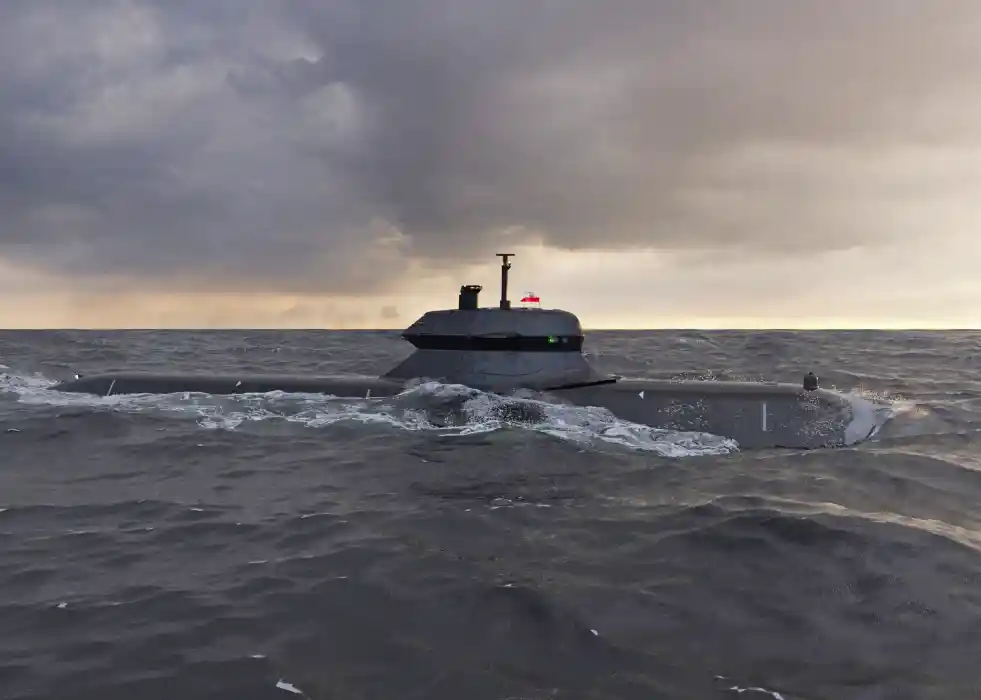
P-235 and P-72 maritime patrol aircraft from the Turkish Naval Forces Command, SH-70 Sea Hawk 10-ton class naval helicopters, AH-1W Super Cobra attack helicopters, armed/unmanned aerial vehicles; Ay, Gür and Preveze class submarines participated in the Mavi Vatan-2025's Distinguished Observer Day activities. It is worth recalling that significant parts of the platforms of the Type 209 class have been indigenised with the use of Turkish products. It should not be forgotten that the Akya heavy torpedo, also developed with indigenous capabilities under the responsibility of Roketsan, brings a great multiplier to the Turkish Navy with its advanced maritime and electronic capabilities and its unpredictability factor. In addition, the TCG Piri Reis (S 330), the first of the Reis Class AIP submarines equipped with indigenous subsystems, internationally classified as Type 214TN, was also deployed. The Turkish submarine fleet, which is in a very good position in terms of manpower and modernised platforms, has gained an important force multiplier by being able to operate for much longer periods than the Type 209s in its inventory without breaking the first rule of silence brought about by air-independent propulsion. Unlike its Type 214 counterparts, which are notorious for their stability problems, the new design, customised by Turkish engineers and designated 'Turkish Navy' (TN), brings stable diving characteristics. This new design is a leap in Turkish naval capabilities as well as construction. The elimination of a deficiency in the original product of the main designer company, which has been active in the underwater field for years, with indigenous studies, a trump card in every respect.
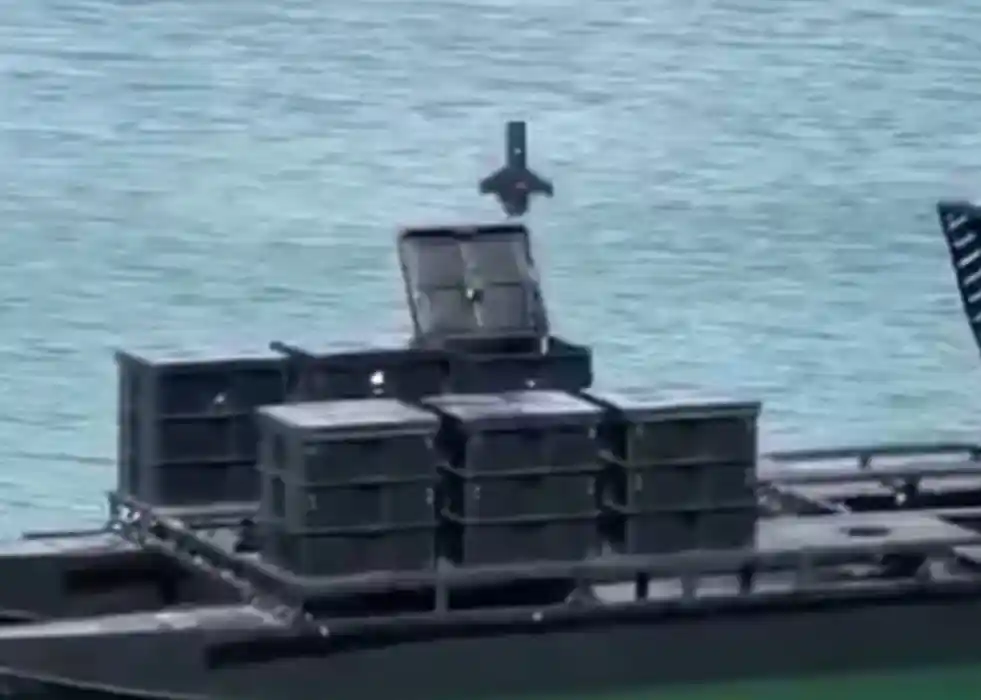
During the exercise, two Gabya class frigates, two Barbaros class frigates, one of which underwent modifications as part of the Mid-Life Upgrade (MLU - Yarı Ömür Modernizasyonu / YÖM), all Ada class corvettes; the first four platforms built under MilGem, Kılıç I, Kılıç II and Rüzgâr class fast attack crafts, Burak class corvettes, including TCG Beykoz (F 503) one which was modernised with indigenous means, Tuzla class patrol boats, Aydın class mine hunter, Bayraktar class tank landing ship, mechanised landing craft and replenishment at sea and submarine rescue vessels. In addition, one Marlin-armed unmanned maritime vehicle equipped with an electronic warfare payload fulfilled the assigned tasks.

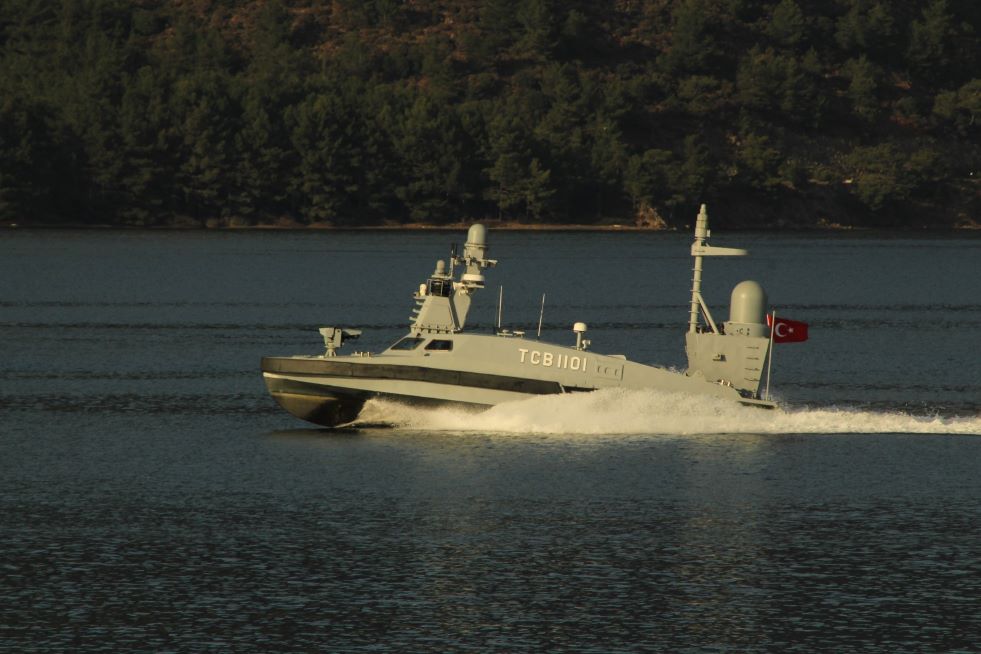
The participation of unmanned naval vehicles in the exercises of the Turkish armed forces is nothing new. However, the fact that continuity and stability have been established in this area is an important indicator of the Turkish Army's orientation towards unmanned platforms, both on the ground and in the air. It is vital for Turkiye, which has important Exclusive Economic Zone (EEZ) areas in its vast maritime borders, to achieve its success today in UCAVs. It can be argued that unmanned vehicles are the fastest and most cost-effective way to show the flag in areas that contain significant hydrocarbon deposits, which sometimes cause international disputes over boundary definitions. Regarding manufacturability and sustainability, unmanned platforms provide an important multiplier of force for activities such as flag-waving, electronic warfare, hydrocarbon platforms, and ship security.
It can be argued that unmanned vehicles are the fastest and most cost-effective way to show the banner in areas that contain significant hydrocarbon deposits, which sometimes cause international disputes over boundary definitions. It is an important multiplier in terms of deterrence that Turkiye has a similar capability, adapted from its experience.
Turkiye is not only developing unmanned systems and related subcomponents. The Turkish defence industry, which was quick to recognise the need to address this issue as a concept, has also made significant progress on the ammunition to be used in unmanned systems. In addition, domestically developed remote-controlled weapon systems are one of the most important pieces of equipment that complement the striking power of the vehicles.
Of course, equipping an armed force to operate in a multi-domain environment does not end with the systems and the weapons. In the same vein, local companies are continuing their specialised command and control systems activities. The process, which bore its first serious fruit with integrating GENESIS on the Gabya class frigates, has now evolved into ADVENT. In addition to actual operations, Mavi Vatan-2025 will test the combat management, coordination and information systems on the ships and headquarters.
The ADVENT combat management system not only meets the combat requirements of a ship. The platform's communication with headquarters is important as it provides a modular infrastructure that enables high-speed data transfer, assessment, command and control activities and will also enable network-centric warfare capabilities in the future. Of course, not a single vehicle or a few elements, but the whole Force must have the capacity and capability to enable network-centric warfare on a common denominator. ADVENT-MARTI, recently announced to be integrated into the Turkish Coast Guard aircraft, is an important step in transitioning to a network-centric infrastructure based on a single architecture. An important sign that the vision is being grasped is that the Turkish Navy is also making efforts to standardise in this area.
In addition to naval combat scenarios, amphibious assault, naval air operations and joint tasks were conducted in accordance with the objectives and plans. According to the scenario, the TCG Anamur (M 269) has detected and conducted a controlled detonation of the enemy mine in the area of operations. The enemy submarine in the area was then located by the SH-70 Sea Hawk helicopter's dipping sonar and forced to surface. At the same time, land-air cooperation was ensured with suppressive and softening fire from AH-1W Super Cobra helicopters, and the ground attack of marine and armoured elements from the TCG Sancaktar (L 403) tank landing ship via mechanised landing crafts was simulated. Fast Rope and helicopter interdiction operations were also conducted against the frigate TCG Göksu (F 497). It should be remembered that very few countries in the world have the capability to successfully land on a moving platform without disrupting its mobility. The simultaneous and coordinated execution of the operations has once again demonstrated the command and control capabilities of the Force.

Following the 1974 Cyprus Peace Operation, the Turkish Navy kept its amphibious capability above certain thresholds to be able to mobilise if necessary. To this end, vehicles have been procured from foreign sources and the local construction industry. The power transmission capability has taken a decisive leap with the commission into service of the amphibious assault ship TCG Anadolu (L 400). In the previous Deniz Kurdu exercise, a similar operation was conducted using a more modern concept, supported by an air assault scenario with helicopters launched from the deck and carried out by MAVs deployed from the amphibious assault ship TCG Anadolu (L 400). However, this exercise demonstrated that the Turkish Naval Forces could conduct operations in a more traditional school even without the TCG Anadolu (L 400), which underwent scheduled maintenance. Of course, the proportion of indigenously built Landing Crafts equipped with the fastest and most powerful firepower in their class, advanced digital equipment and RCWS is not to be overlooked.
The frigate TCG Oruçreis (F 245) was undoubtedly the most surprising to participate in the exercise. The vessel, also known as the MEKO 200TN Track II class, has recently completed the Barbaros Mid-Life Upgrade (MLU / yarı Ömür Modernizasyonu - YÖM) and returned to service. As with similar packages abroad, the frigate's silhouette is differentiated, and significant changes have been made to the electronics, software, and weapons systems. Although there are some negative returns, as with any modification, it is clear that the TCG Oruçreis (F 245) frigate has made a leap forward in terms of adapting to modern high-speed threats, asymmetric elements and the changing naval battlefield and will be an important force multiplier for the Turkish Navy.

An evaluation of the Barbaros Class Barbaros Mid-Life Upgrade Programme solely from a naval point of view can be seen as an incomplete assessment of the subject. In the beginning, Turkiye had already built up its infrastructure for military shipbuilding through licensed designs. The following period saw a leap forward in military shipbuilding, first with the Ada-class corvette, then with the Istif-class frigate and TF-2000 destroyers under the MilGem programme, and with the New Type Submarine and MilDen programmes. The involvement of private shipyards in the processes and the participation of a special platform such as TCG Anadolu (L 400) at Mavi Vatan with the labour of Turkish engineers and workers are important cornerstones.
In addition to the basic steel construction, producing the electronic equipment and weapon systems used in the indigenous platforms is also crucial. With its defence industry investments, Turkiye is now reaping the rewards of many years of persistent investment in both vertical and horizontal growth of its product trees. In this way, the hull and the construction and outfitting of a platform from start to finish can be carried out with domestic facilities.
In the past, a rehearsal was carried out with the partial modernisation of the corvette TCG Beykoz (F 503). However, it is worth noting the importance of the work on TCG Oruçreis (F 245). This is the first time that Turkiye has undertaken such a comprehensive upgrade of a warship developed for commercial purposes with multiple international users. This step will undoubtedly provide an important solution for both the vehicles already in service and the users of these vehicles. On the other hand, the ability to integrate off-the-shelf systems has reached the level of offering an integrated turnkey solution for naval, land, and air vehicles.
Mavi Vatan-2025 is a critical military exercise in terms of national and regional security conducted to test the naval warfare capabilities and combat readiness of the Turkish Naval Forces. The activity involves a series of complex sea, land and air operations carried out by the Turkish Armed Forces to ensure maximum efficiency in maritime operations. In parallel to these, the complete management and coordination of the entire process is also ensured by predominantly domestic systems and infrastructures. While the concept of 'Blue Homeland' is the cornerstone of Turkiye's strategy to defend its rights and interests in the seas, this exercise is actually a practical reflection of this vision.
Exercise Mavi Vatan-2025 is more than just a military training effort for the Turkish Navy. Activities are aimed at the protection of Turkiye's maritime sovereignty, the testing of national security strategies and the support of naval power projection. It is also an important step that will strengthen the Turkish Navy's role in both defending the country and keeping the international peace. The exercise is important in terms of enhancing the maritime capabilities of the Turkish Armed Forces, contributing to regional maritime security and, most importantly, demonstrating Turkey's commitment to the 'Blue Homeland' doctrine.
From an overall perspective, the Mavi Vatan-2025 exercise was more than just a live-fire activity for the Turkish Armed Forces and Turkish Naval Forces. The steps taken at almost every event, where important leapfrogging thresholds can be observed for the domestic defence industry, provide a good opportunity to observe developments in the field. From this point of view, the event was a productive exercise in which the strength and capacity of the Turkish Navy in terms of combat, support and industrial capabilities in the air, on land, at sea and in cyberspace, as well as in the areas of indigenous capabilities and capabilities, were clearly demonstrated for all to see.