A team of TUSAŞ engineers have published their work on an AI-supported and terrain-referenced navigation system as a GNSS-independent complement on MDPI.
Hürjet might receive a complementary navigation system in addition to GNSS, which combines various methods and filters the data using AI to maintain precise navigation at low altitudes and GNSS-denied environments.
The system is designed with sensor fusion through elements like radar/barometric altimeters and steerable lasers.
The application might be expanded to include other aircraft, especially unmanned ones, which are more susceptible to GNSS jamming compared to manned aircraft.
Hürjet
Hürjet has been primarily developed to replace the ageing T-38 trainers as an advanced trainer for the Turkish Air Force and also to present a light combat aircraft alternative in armed configuration.
Additionally, Airbus has recently signed an MoU with TUSAŞ for the Integrated Training System - Combat (ITS-C) programme, aiming to replace Spain’s ageing F-5M fleet during FEINDEF 2025. A Hürjet configuration intended for the Spanish Air and Space Force was also displayed.
Currently, two prototypes are continuing their tests, with the second prototype having a new nose arrangement and wingtip hardpoints.
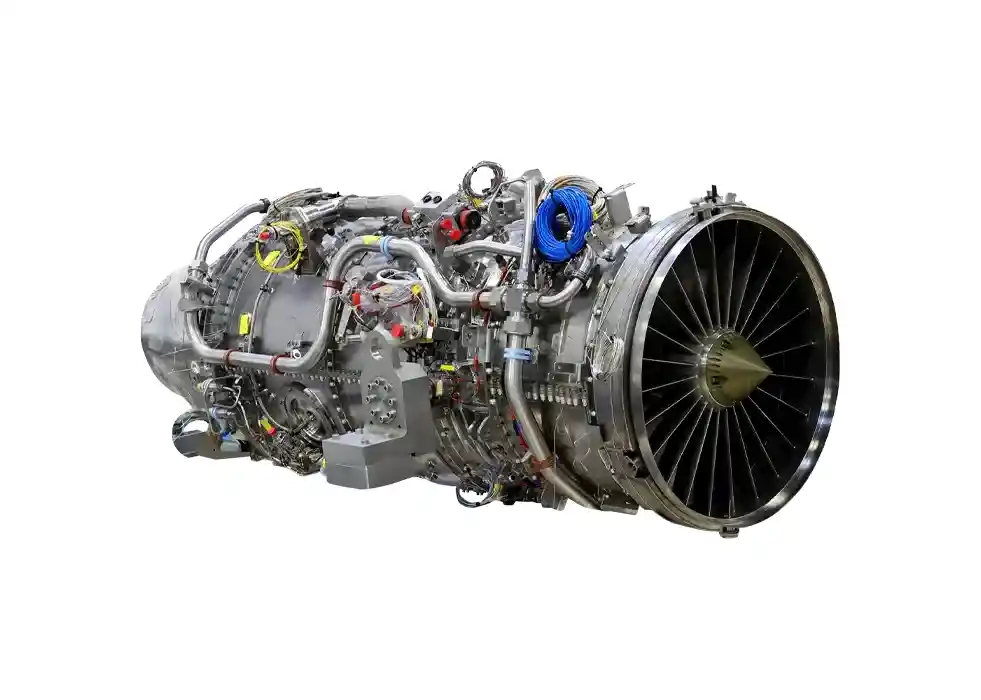
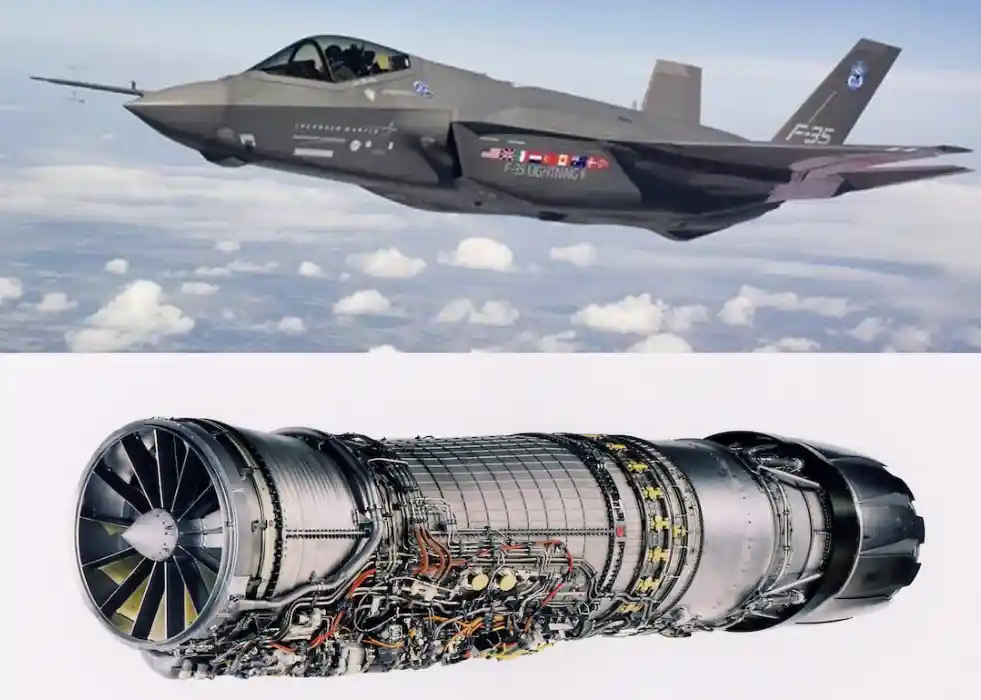
The trainer, powered by an F404-GE1-104 turbofan engine, can reach a maximum speed of Mach 1.4 and carry up to 3000+ kg of payload. Armament options include various air-to-surface munitions and air-to-air missiles (Alongside a variant of ASELSAN’s MURAD AESA radar).
In addition to advanced trainer and light combat aircraft configurations, a carrier-based variant is being worked on in coordination with the Turkish Navy Design Project Office, which is responsible for the design of the MUGEM aircraft carrier.