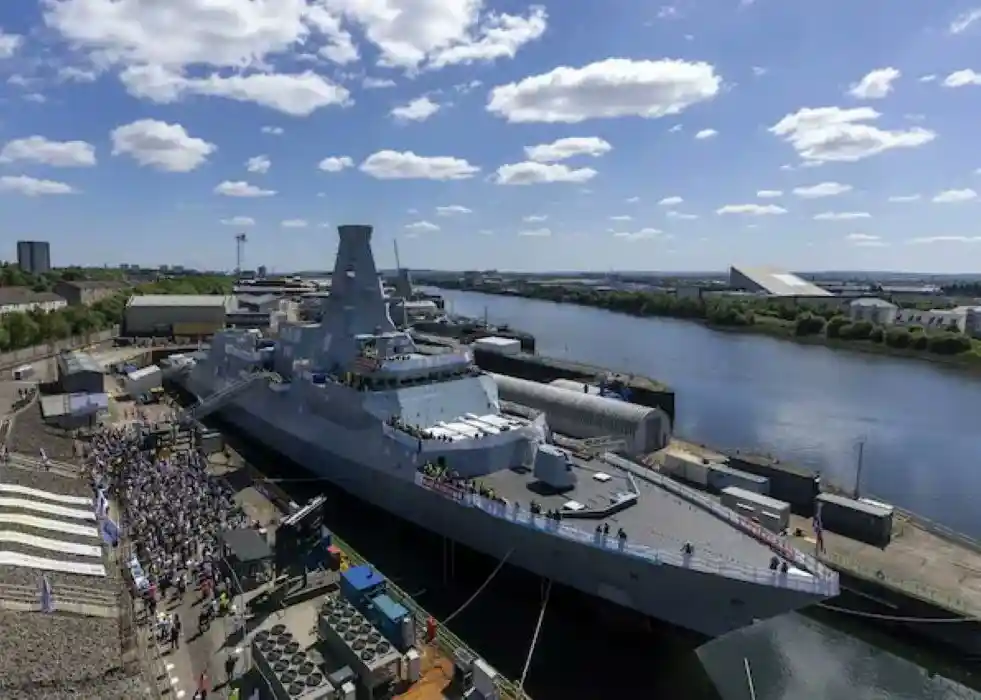
Claims that the United Kingdom could divert early-production Type 26 frigates to Norway before they enter Royal Navy service have triggered renewed debate over force structure and industrial priorities. While no official decision has been confirmed, Norway’s push for an accelerated delivery timeline is understood to be placing pressure on the UK’s shipbuilding schedule. This has led to speculation that early hulls currently in production could be reassigned to meet export commitments.
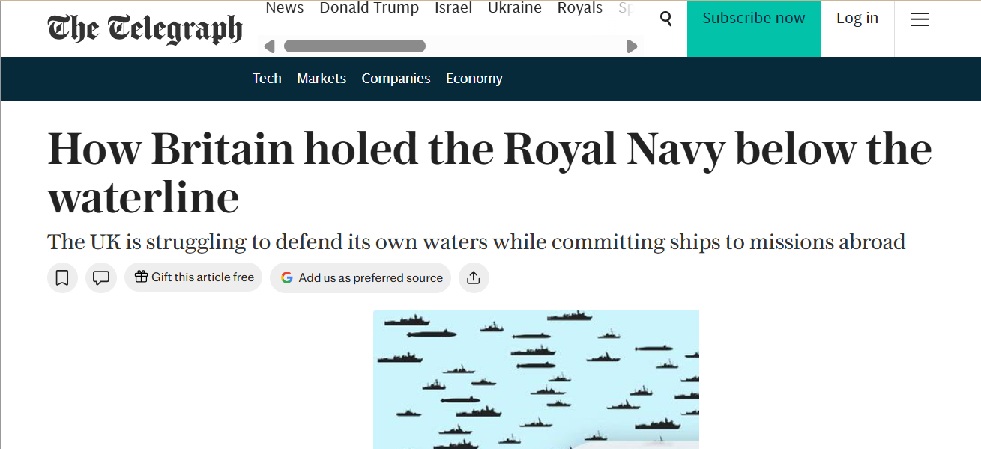
The issue is not solely industrial. It intersects directly with a growing personnel challenge within the Royal Navy. Persistent shortages, particularly in engineering and technical specialisations, have increasingly constrained the service’s ability to fully crew its platforms. In recent years, several Type 23 frigates have been retired earlier than originally planned. While ageing hulls and rising maintenance costs were key factors, the difficulty of sustaining full crews also played a role in accelerating these decisions.
As a result, a gap has emerged between the Royal Navy’s nominal fleet size and its deployable maritime capacity. In practical terms, this means that not all platforms can be brought to operational readiness at the same time. This dynamic adds a new layer to the Type 26 debate. The potential diversion of early-production ships to Norway would not simply represent an export success, but could also delay the introduction of replacement platforms into a fleet already managing transitional pressures.
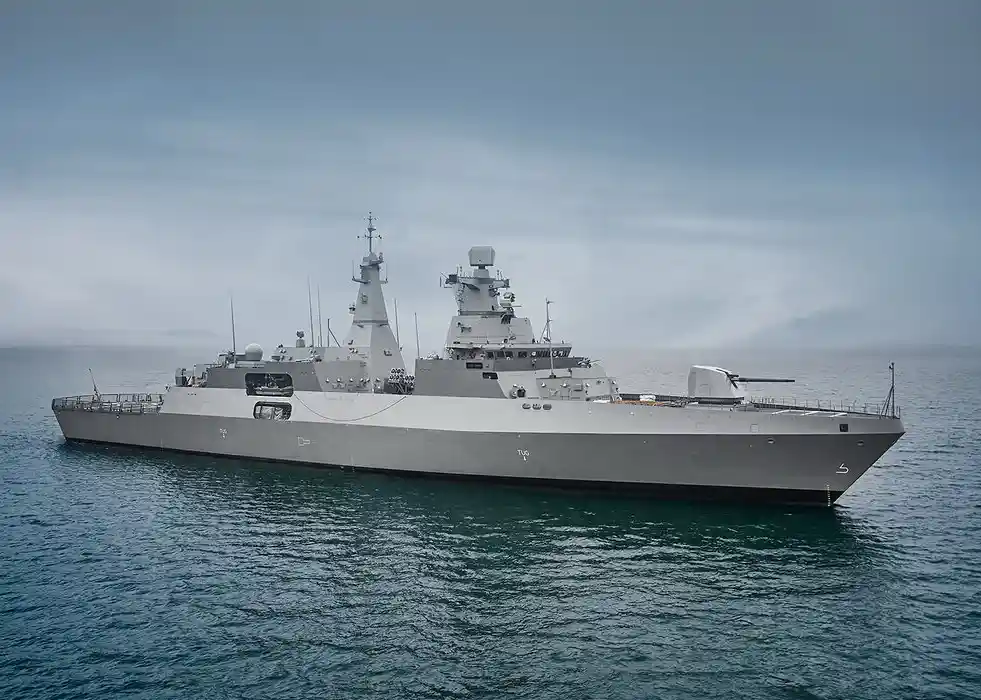
A comparable discussion has taken place in Türkiye in the context of the Istif-class frigate programme. During negotiations over a potential export to Indonesia, reports indicated that ships under construction could be prioritised for export, with delivery schedules for the Turkish Navy adjusted accordingly. Although the final configuration of the deal has not been fully clarified in open sources, the debate itself highlighted the same structural tension between export ambitions and domestic fleet requirements.
However, the parallels between the United Kingdom and Türkiye extend beyond current developments. In the 2009–2010 period, when Türkiye had yet to achieve tangible progress through the MILGEM programme, the United Kingdom proposed Turkish participation in what was then known as the Global Combat Ship programme, later designated Type 26. The proposal included elements of joint design and production, reflecting an early British effort to internationalise the programme and distribute development costs across partners.
Türkiye ultimately chose a different path, prioritising the development of its indigenous shipbuilding capability. This decision has shaped the trajectory of its naval programmes over the past decade. Today, Türkiye operates a shipbuilding model that supports multiple parallel projects, allowing it to pursue export opportunities while continuing to expand its own fleet.
The UK, by contrast, continues to rely on a more concentrated model built around a limited number of high-end platforms. In this structure, export orders play a critical role in sustaining industrial output and maintaining production continuity. This makes programmes such as Type 26 not only naval assets but also industrial anchors.
Against this backdrop, the potential diversion of Type 26 frigates to Norway — even if not confirmed — illustrates a broader structural reality facing modern navies. The challenge is no longer limited to designing and building advanced platforms. It now extends to sustaining the industrial base that produces them, securing the personnel required to operate them, and balancing export-driven opportunities with the immediate demands of national defence.
In this sense, the ongoing debate reflects a wider transformation in naval strategy. Fleet strength is no longer defined solely by the number of ships under construction or in service, but by the ability to crew, sustain and industrially reproduce those platforms over time.
Author: Özgür Ekşi