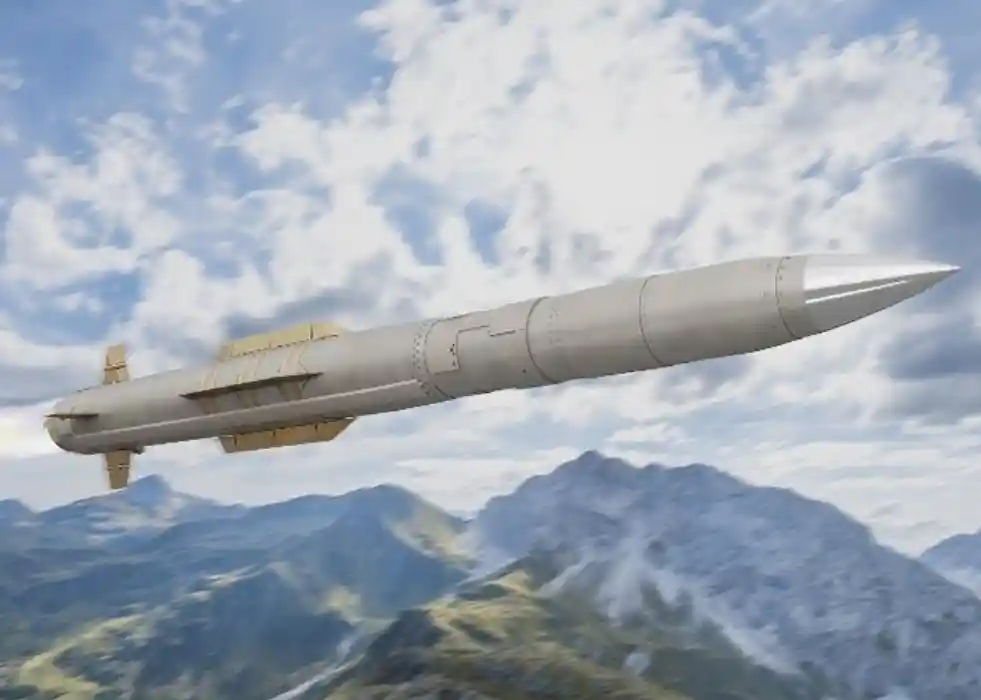
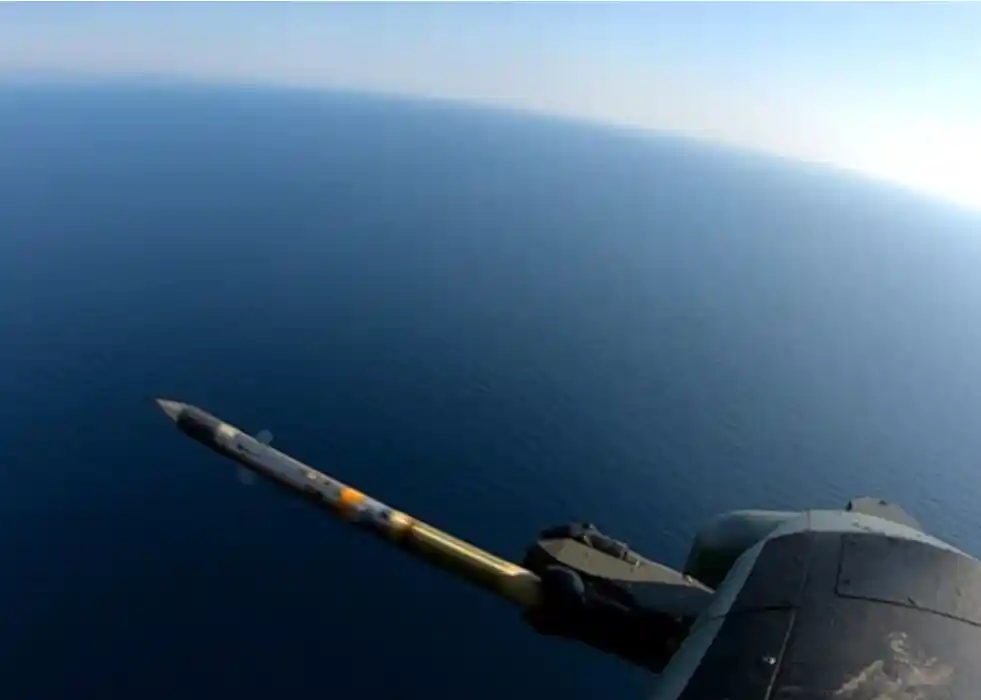
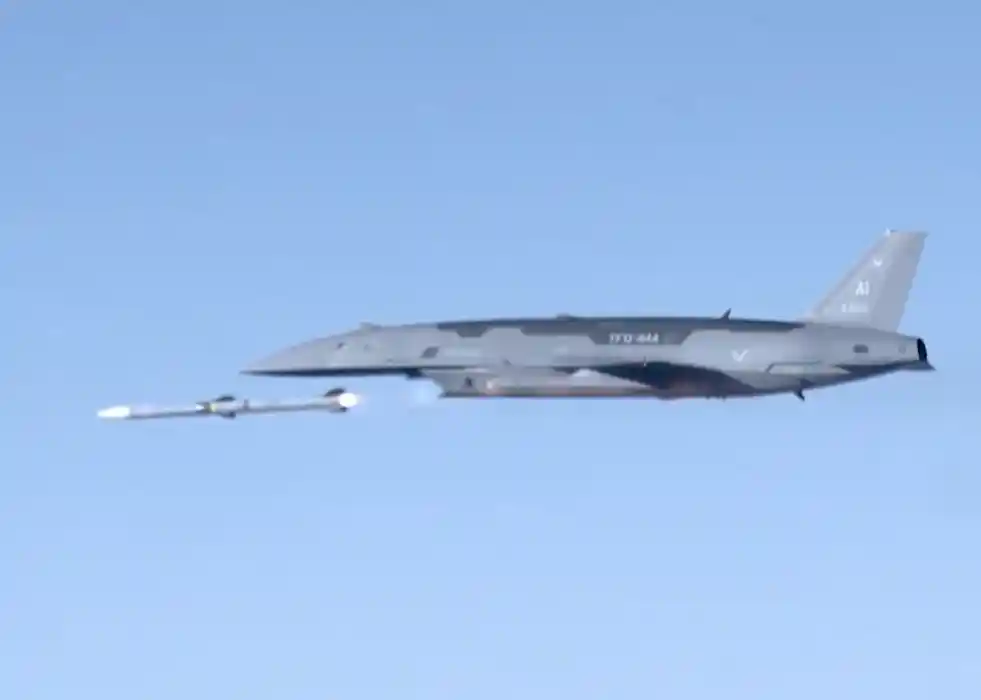
The new missile was unveiled in a promotional video from the Ukrainian defence manufacturers’ joint platform named Zbroya. The video shows a cruise missile similar to R-360 Neptune in layout but with a far larger size.
In the past, the Ukrainian officials announced the plans for a Neptune variant with a range of 1000 km and land attack capabilities.
The analysis from the video providing the side view using a comparison with the baseline R-360 Neptune missile suggests a missile of about six meters in length and 500 mm in diameter. However, some components appear to be common with the engine and seeker sections, having identical diameters to the baseline Neptune. To accommodate the larger weight, the new missile has a larger set of fins, too.

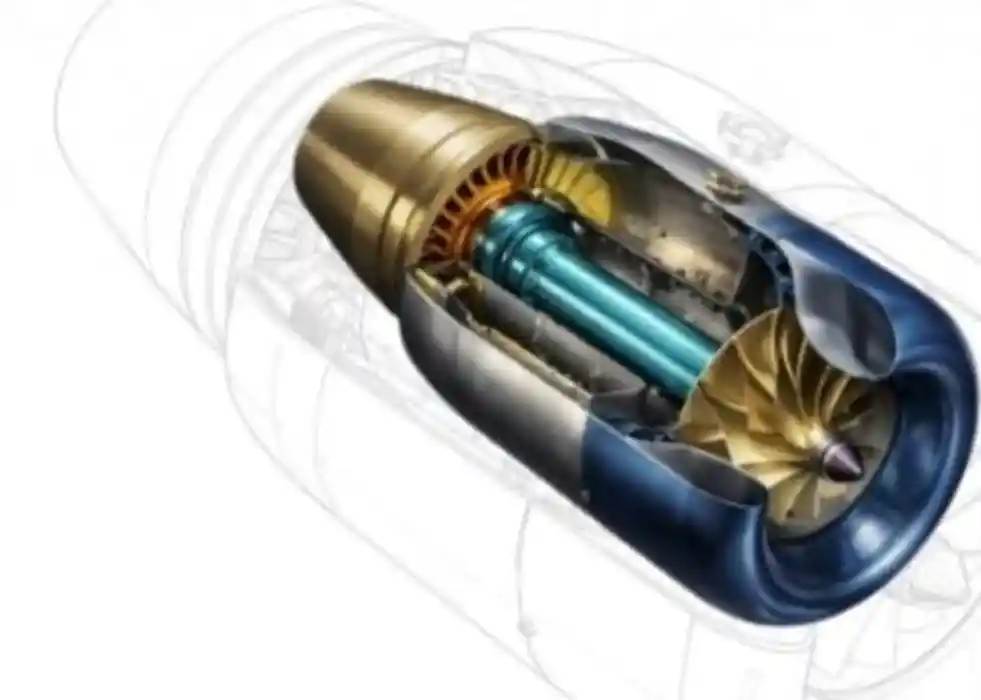
R-360 Neptune has been actively used in the war and is known for its use during the sinking of the Russian cruiser Moskva. The missile, as Ukraine’s locally-developed counterpart to the Russian-made Kh-35 Uran, both in layout and size, uses an RF seeker and an MS-400 turbofan engine to engage small to medium-sized ships beyond a range of 200 km.
While the missile is famous for the Moskva incident, it has been more actively used against land targets due to GNSS targeting capabilities, as a jet-powered kamikaze UAV might not always inflict the desired damage due to a far smaller explosive payload. However, the RF seeker not exactly being a match against ground targets is a subject worth mentioning when it comes to the land attack use of a dedicated anti-ship missile.
Considering the recent history of baseline Neptune revolving around land attack more often, it is possible that the “Long Neptune” might have added not only more range and warhead size but also new guidance features to navigate through the terrain and acquire land targets effectively. While the side view does not tell about the seeker type, one should not rule out the possibility of an IIR or TV seeker in place of or tandem with the RF seeker. The past statements by the officials on land attack capabilities support these possibilities as well.
Author: Kaan Azman
Editor:Özgür Ekşi