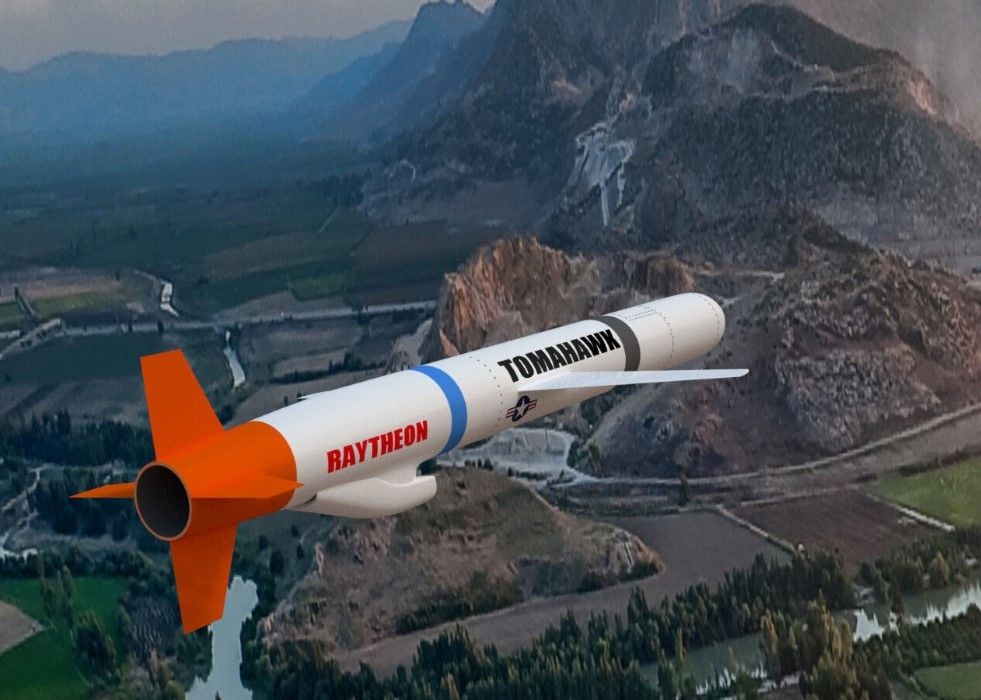
The United States fired more than 850 Tomahawk cruise missiles during the first four weeks of strikes against Iran, raising new questions about US long-range strike inventories. RTX’s Raytheon division (NYSE: RTX) produces the cruise missiles.
According to The Washington Post, citing US officials, many of the missiles were used during the opening phase of Operation Epic Fury against high-value targets across Iran. Officials described the pace of expenditure as unusually high, with one source warning that Tomahawk stocks in the Middle East had reached “worryingly low levels”.
Pentagon spokesperson Sean Parnell declined to provide specific figures regarding the number of Tomahawk missiles used or remaining in theatre, stating only that the US military retains “everything it needs to execute any mission”.
Analysts say the figures nonetheless provide an indication of the scale of the campaign. Mackenzie Eaglen, a senior fellow at the American Enterprise Institute, has estimated that the US Navy possessed roughly 4,000 to 4,500 Tomahawk cruise missiles prior to the conflict. If more than 850 missiles were fired during the first month of operations, the remaining theoretical inventory could fall to roughly 3,000–3,600 missiles.
However, this figure does not represent the number of missiles that could be immediately used in combat. A portion of the stockpile is typically allocated for training, testing, maintenance cycles and upgrades to newer Block V variants. They also generally estimate that only around 60–70 percent of the total inventory is readily available for operational use at any given time. Under that assumption, the usable stock after the Iran strikes could fall closer to roughly 2,500–3,000 missiles.
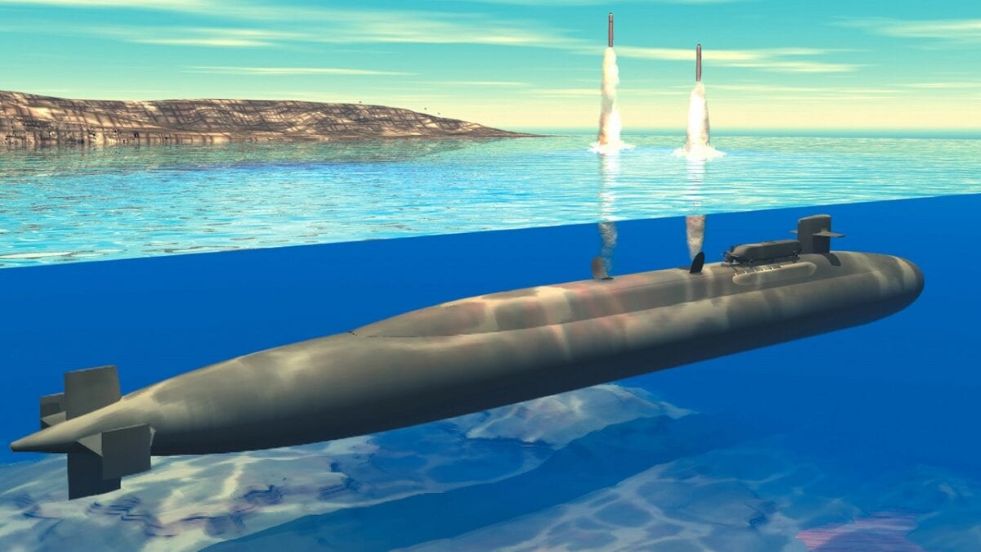
Tomahawk: US Sea-based strike capability
Tomahawks are primarily launched from US Navy destroyers and submarines using the Mk 41 vertical launch system, allowing the United States to conduct large-scale opening strikes without immediately committing aircraft into contested airspace.
Tomahawk procurement has been relatively limited in recent years. US Navy purchases typically range between 70 and 120 missiles annually, meaning the missiles used in the Iran strikes represent several years of normal production.
The issue is particularly sensitive for US planners because Tomahawk missiles form a key component of the Navy’s sea-based opening strike capability. In a potential conflict with China, large numbers of cruise missiles launched from destroyers and submarines would be expected to target air-defence networks, radar sites and command infrastructure during the initial phase of the war. Heavy Tomahawk expenditure in the Iran campaign therefore also raises questions about the sustainability of this sea-based first-strike capacity in a parallel or future Indo-Pacific contingency.
US Indo-Pacific war plans assume that thousands of long-range cruise missiles could be required during the opening phase of a conflict with China.
Air-launched alternatives carry higher operational risk
Tomahawk is not the only long-range strike option available to the United States. Air-launched weapons such as the AGM-158 Joint Air-to-Surface Standoff Missile (JASSM), its extended-range variant JASSM-ER, the Joint Standoff Weapon (JSOW), or guided bombs such as JDAM and the Small Diameter Bomb (SDB) can also be employed in large numbers.
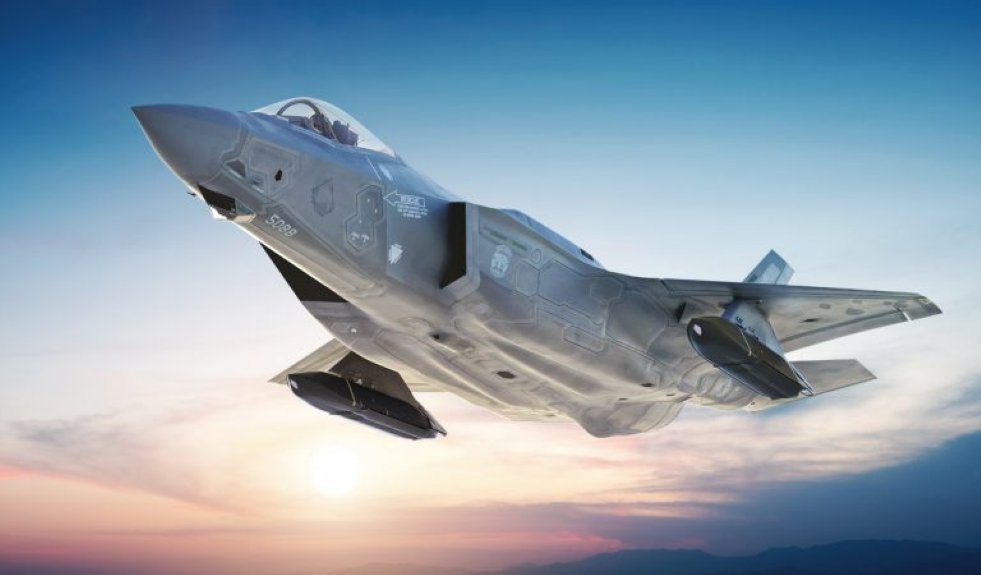
Unlike Tomahawk, however, these weapons require aircraft such as the B-2, B-1, B-52, F-15E or F-35 to operate within range of their targets. In heavily defended airspace this can require complex strike packages involving aerial refuelling, electronic warfare and suppression of enemy air defences.
As Tomahawk inventories decline, the United States may increasingly rely on aircraft to sustain strikes deeper inside Iranian territory.
The Iran campaign illustrates a growing challenge for the Pentagon: sustaining ongoing operations while preserving long-range strike weapons for a possible high-intensity war in the Pacific.
Author: Özgür Ekşi