HALO programme, which aims for hypersonic missiles for ASuW missions, might be reborn in the form of a rocket-powered hypersonic missile to reduce risks.
Despite the cancellation of a scramjet-powered hypersonic cruise missile, the HALO programme for OASuW Increment 2 might continue with a simpler layout that will be easier to develop, as reported by Naval News.
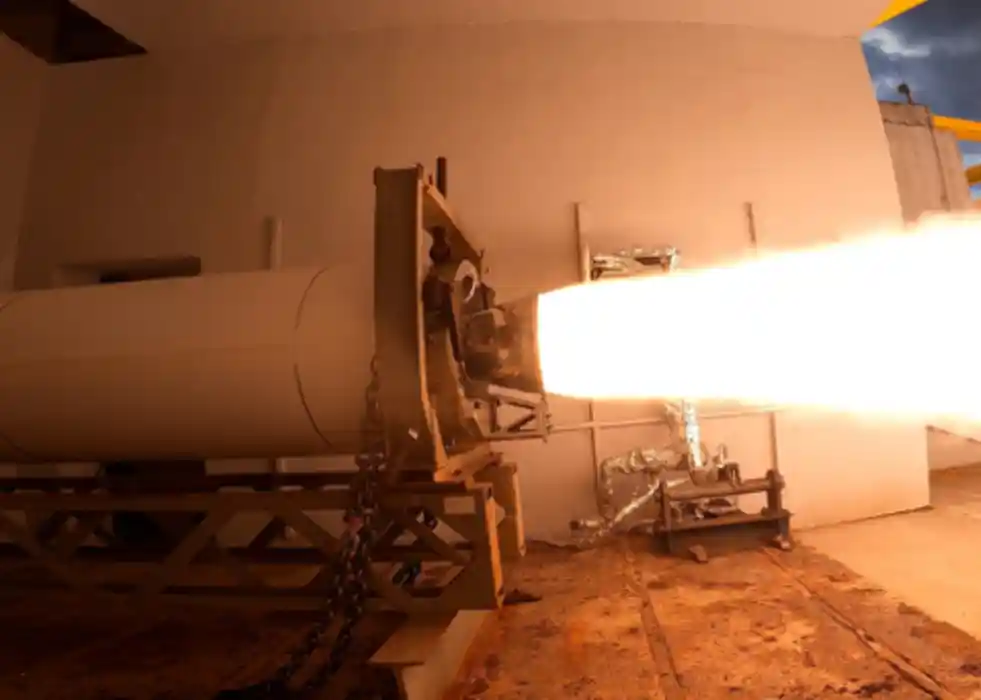
Instead of starting another cost/R&D hurdle, Northrop Grumman’s 21-inch rocket motor to be fielded on SM-6 Block IB missile is being explored as an option to provide the needed initial push.
Previously, HALO was cancelled due to cost overruns and anticipated failure to meet the deadlines as a hypersonic cruise missile development initiative.
China’s YJ-20 anti-ship missile, as a two-stage hypersonic anti-ship missile, is an example worth inspecting due to being rocket-based with a sizeable second stage igniting after the booster burnout. Another noteworthy mention is the quasi-ballistic missiles, which adopt a high-altitude flattened trajectory like Kinzhal or YJ-21 and travel at hypersonic speeds for most of the flight time.
This does not mean scramjets are entirely scrapped, as Lockheed Martin announced its project to develop a rotating detonation ramjet that has a wider operating envelope in terms of speed to enable easier start-up and reduced fuel consumption compared to traditional scramjets, which require near-hypersonic speeds for ignition.
Author: Kaan Azman
Editor: Özgür Ekşi