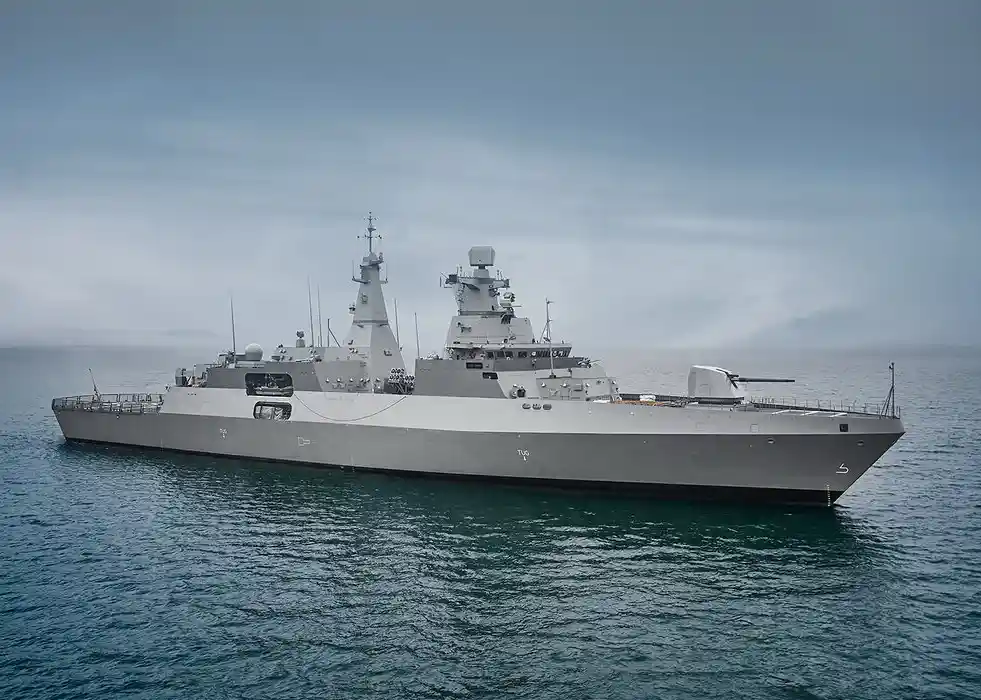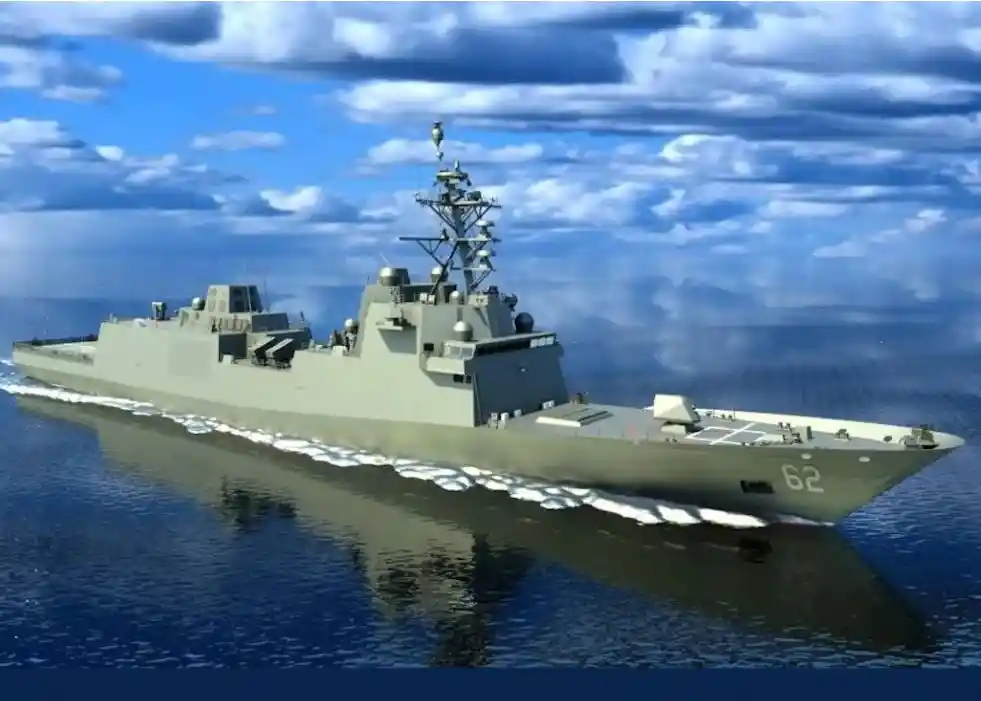
The United States Navy terminated the Constellation-class frigate program because design problems and budget increases and manufacturing supply chain disruptions required a complete strategic review. US Secretary of the Navy John Phelan officially ended the Constellation-class frigate program which was supposed to deliver twenty ships as its flagship surface combatant.
The Constellation class received termination status because it joined the Littoral Combat Ship (LCS) program as the second major failure in US Navy medium-surface-combatant development during the last twenty years.
The program will continue building the first two ships USS Constellation (FFG-62) and USS Congress (FFG-63) but all subsequent vessels in the program will receive termination status. The program termination marks the end of a problematic development period which aimed to create a naval capability between Littoral Combat Ship and Arleigh Burke destroyers.
The shipbuilding process at US naval facilities faces fundamental problems that led to this decision. Years-long schedule slippages, expanding redesign requirements and a shipyard workforce struggling to meet production rhythm all contributed to a growing gap between planning and delivery. The Navy now intends to redirect funding toward a faster-procured surface combatant family, potentially combining smaller multi-mission ships with unmanned platforms.
Analysts caution that the decision may slow the Navy’s ability to expand its fleet at a time when China continues to accelerate its naval build-up. The absence of a medium-weight frigate also risks leaving operational pressure on the destroyer force, while shipyards that invested heavily for the programme face uncertainty over future workloads.
The program received close monitoring from regional allies who included Greece as their most interested observer. The program termination forces Athens to evaluate its fleet modernization strategy which currently includes the French Belharra-class and upcoming surface-combatant programs. The collapse of the US frigate line removes one of the candidates previously examined by the Hellenic Navy.
The United States is expected to outline its replacement strategy within next year’s defence budget cycle. The Constellation cancellation represents the biggest US Navy surface-combatant program change since 2010 which creates doubts about domestic ship construction abilities and foreign military procurement strategies. The LCS program failed because its designers created an unrealistic modular mission design which never developed properly thus forcing cancellation of essential mission packages and creating major delays.Constellation faced a parallel problem, as continual design changes and added requirements distorted the original FREMM-based design. Both programmes saw costs spiral far beyond projections, turning “affordable surface combatants” into billion-dollar platforms. Neither ship class managed to fill its intended operational role, forcing the Navy to rely even more heavily on destroyers. The early retirement of multiple LCS vessels created deep institutional scepticism toward medium-class ships, shaping the debate that ultimately contributed to Constellation’s cancellation.
Author: Özgür Ekşi