Reiterating Washington's commitment despite political changes, US Secretary of Defence Pete Hegseth stated that the submarine deliveries to Australia under AUKUS will go as scheduled in the early 2030s.
Under a gesture signalling continuity, US President Donald Trump's government has reaffirmed its allegiance to AUKUS, the trilateral security alliance between Australia, the United Kingdom, and the United States. US Secretary of Defence Pete Hegseth said that the delivery of nuclear-powered submarines to Australia stays on plan for the early 2030s among unknown circumstances following the presidency of Joe Biden.
ABC News claims that Hegseth visited Richard Marles, his Australian equivalent at the Pentagon to go about regional security issues, especially in the Indo-Pacific. Hegseth underlined in the meeting that President Trump backs the AUKUS alliance and its goals.
Hegseth pointed out ahead of their talks that under the arrangement the Australian government had already paid the US an initial $500 million. He underlined the strategic cooperation between the two countries by expressing hope that the submarine project will go as expected.
Marles emphasised the need of the first financial commitment within the AUKUS framework before the conference. In turn, Hegseth underlined the significance of Australia's contribution to regional and world security.
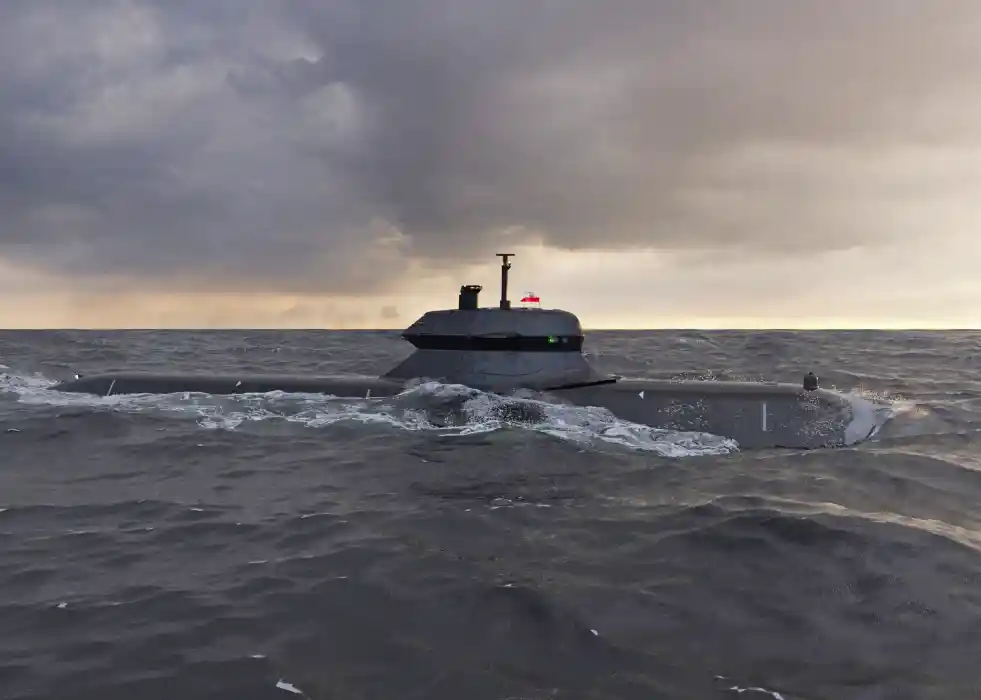
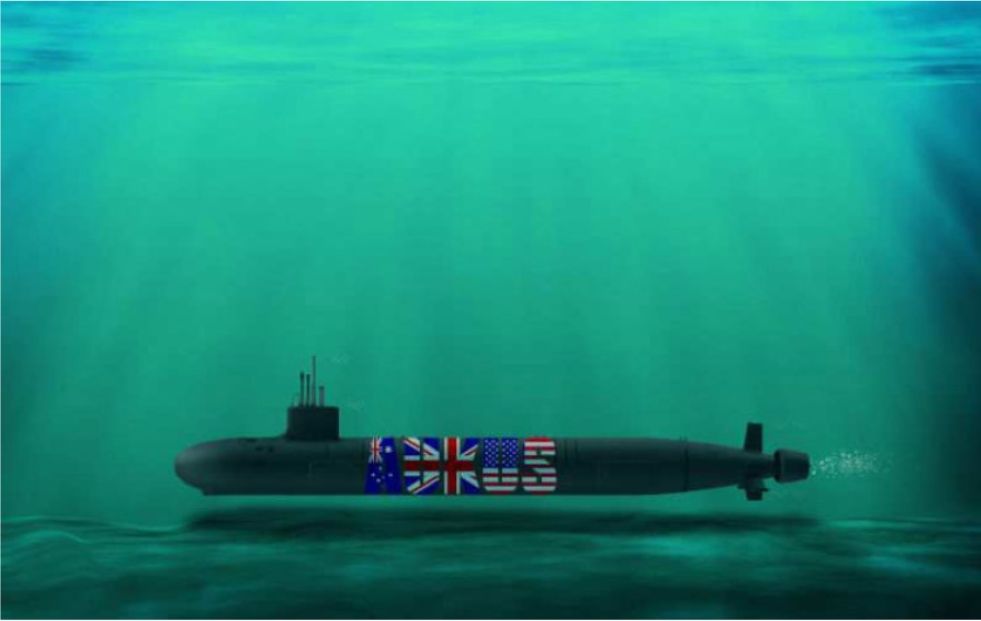 (AUKUS Rendering Credit All’s not quiet on the home front article by Mark Beeson)
The AUKUS Cooperation Agreement
Signed on September 16, 2021, AUKUS seeks to improve Australia's naval capability by means of US and UK technological imports. Australia will pay the United States $4.78 billion as part of the AUKUS deal in order to boost submarine industrial capability. Washington will sell Australia six Virginia-class nuclear-powered submarines in return in early 2030s. Later on, Australia and Britain will cooperate to develop a new AUKUS-class submarine. Shipyards in Adelaide, South Australia will build at least eight such vessels.
Though China is not specifically mentioned in the deal, the other countries have noted increasing regional security issues, which has observers seeing the pact as a means of offsetting Beijing's military footprint in the Indo-Pacific.
Australia had a conventionally submarine defence arrangement with France before joining AUKUS. But Canberra decided to call off the French agreement and turn towards AUKUS in response to protracted delays and lack of development, thereby aggravating diplomatic relations with Paris.