The US Navy’s NAVAIR has published an RFI for a new anti-radiation missile with a longer range and the capability to engage enemy AEW&C within two years.
A new RFI from NAVAIR, titled Advanced Emission Suppression Missile (AESM), has been published on SAM.gov, seeking firms to develop a new anti-radiation missile to reach further than current anti-radiation missiles in the USN inventory, and more interestingly air-to-air engagement capability.
The key requirements on the RFI are listed as:
-Longer range than existing missiles in the Navy’s current inventory
-Anti-radiation seeker with broad frequency coverage and defeating of anti-ARM methods
-GPS/INS with anti-jamming capabilities
-Air-to-surface and air-to-air engagement
-Compatibility with F/A-18E/F, EA-18G, F-35C
The RFI also states that the missile should be ready in two years with a capacity to produce up to 300 units. While most of the requirements don't come as a surprise, the explicit mention of air-to-air hints at NAVAIR looking for alternative missiles to counter China's growing fleet of AEW&C aircaft. The practice of using anti-radiation missiles is not new, with Russia using the ramjet-powered Kh-31P anti-radiation missile with the capability to engage AEW&C which emit considerably due to their powerful radars.
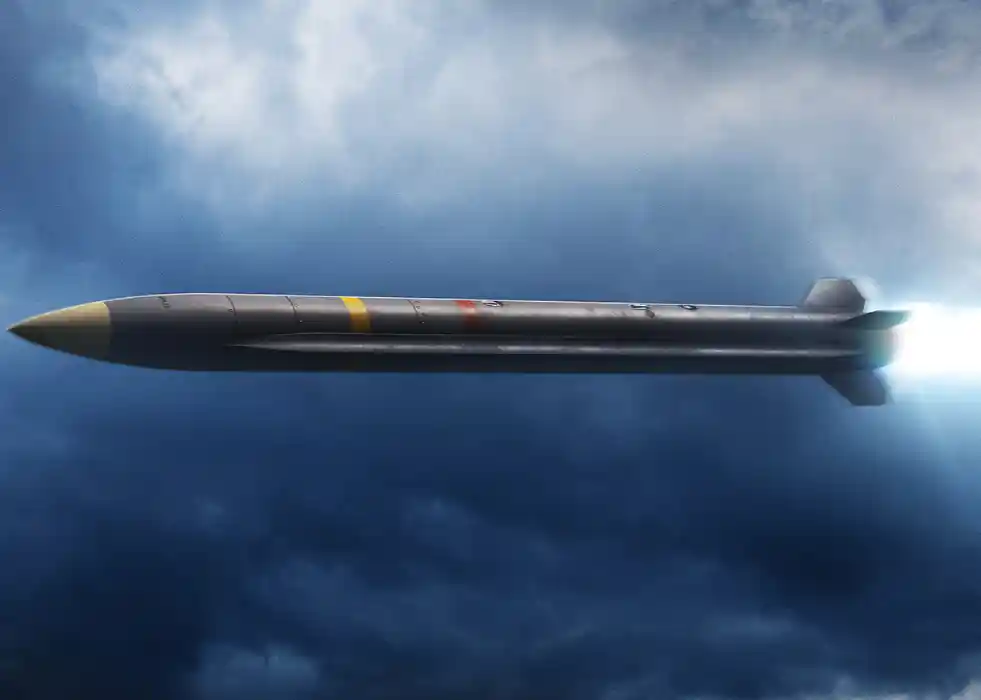
The latest anti-radiation missile in the USN NAVAIR’s inventory is the AGM-88G AARGM-ER, almost a complete redesign of the AGM-88. The missile with a larger rocket motor and compatibility with F-35 internal weapon bays can reach a speed of Mach 4 and a range of 300+ km thanks to the new propulsion section. The guidance package for AARGM-ER includes a seeker coupling passive RF and mmWR guidance against radar turn-offs as well as GPS/INS navigation.
Author: Kaan Azman
Editor: Özgür Ekşi