The air battle between Pakistan and India sheds light on subjects like mechanics, tactics, and technologies regarding a 21st century peer-to-peer air battle.
The air battle that took place in the first hours of the brief conflict between Pakistan and India serves as a glimpse into today’s air-to-air combat beyond visual range, with lessons to be learned for any air force out there.
Reuters’ interviews with both sides of the conflict shed light on not only the things to do but also decisions/assumptions that can lead to disaster.
J-10C vs Rafale
The first thing the conflict has shown the world is that when air forces operating aircraft identical in performance and generation clash, how the aircraft are used and what munitions are used matter more than the slight differences in stats.
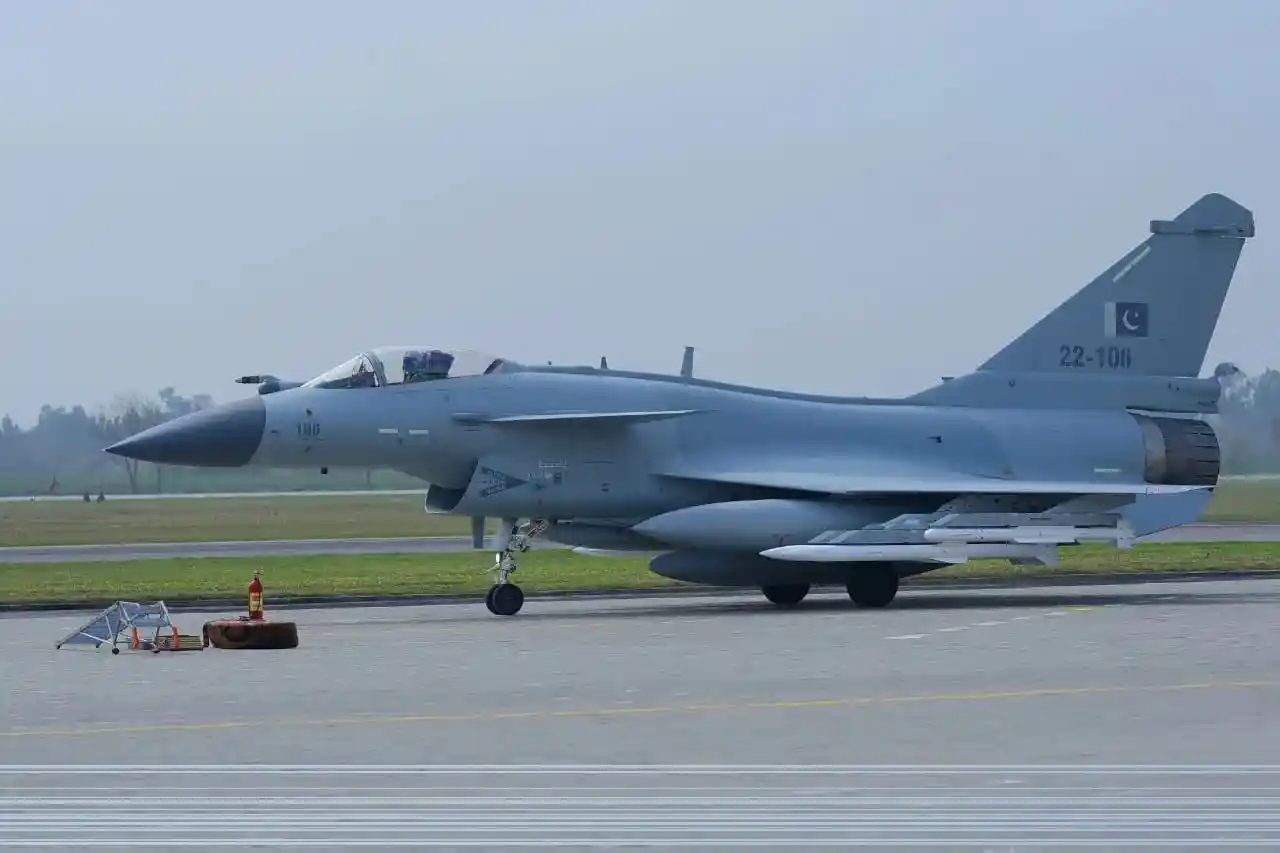
Both aircraft utilise sufficiently powerful engines, AESA radars, and the latest generation of air-to-air missiles.
However, whereas J-10C was deployed with its signature air-to-air weapon, PL-15E BVRAAM, Indian Rafales were reportedly deployed without the ramjet-powered Meteor BVRAAMs but with MICA RF instead.
PL-15E's Contribution
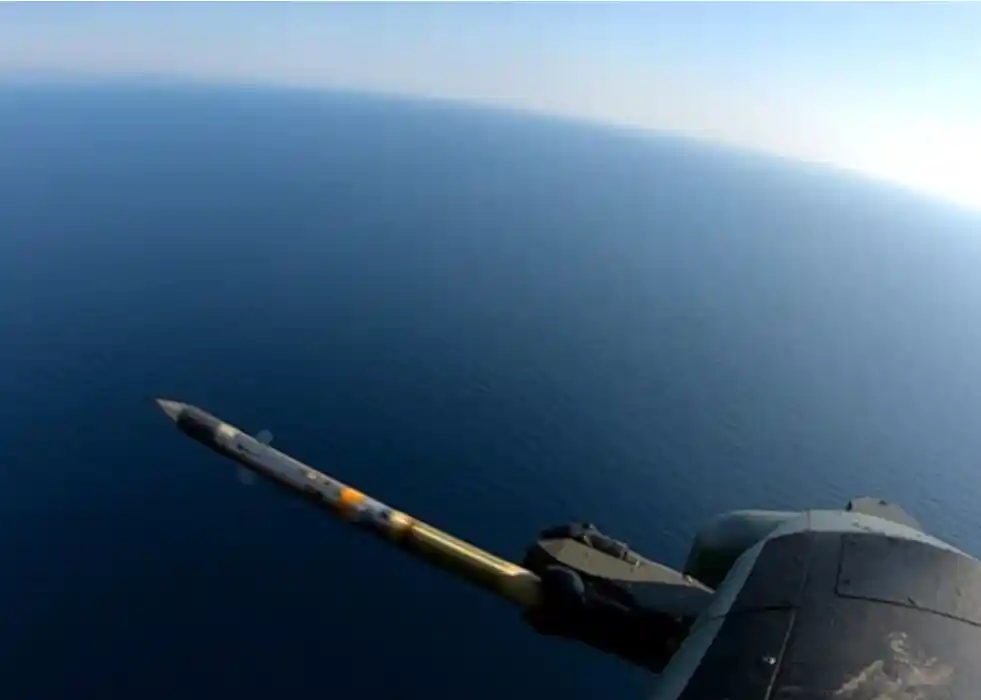
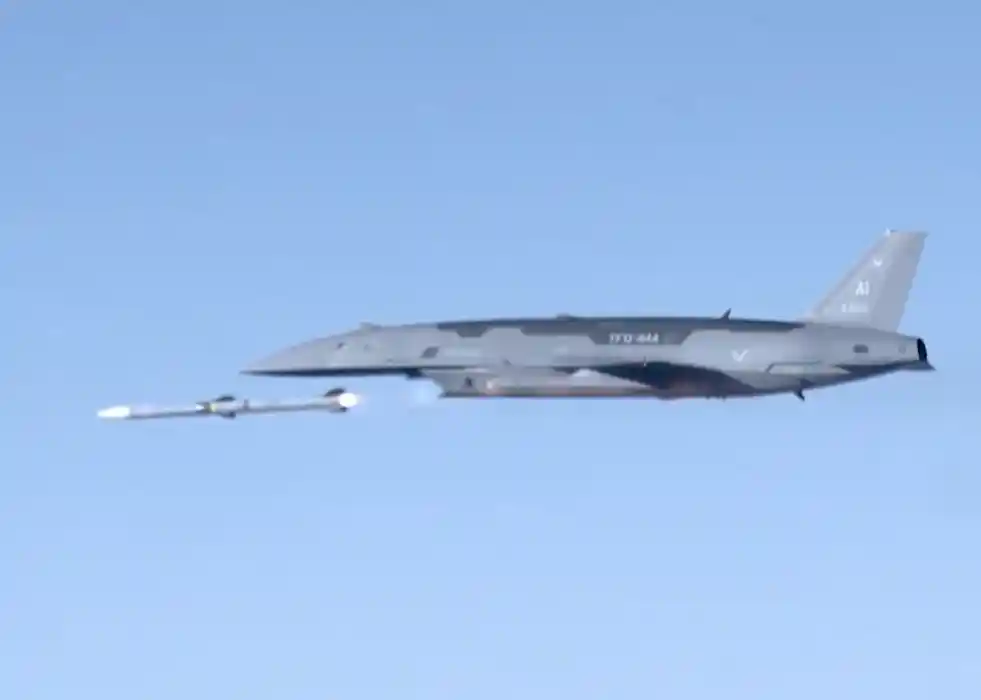
PL-15E BVRAAM supplied by China for Pakistan’s J-10C fighters has been among the subjects of focus due to the downing of a fighter like Rafale from an unexpectedly long distance. According to reports from both Pakistani and Indian officials, the engagement took place at a distance of at least 200 km.
Breaking down PL-15E is a step toward understanding the missile’s role in Pakistan’s success due to the use of a series of new features.
The features making PL-15E stand out from the crowd, alongside a few other BVRAAMs, are the dual-pulse rocket motor and AESA radar seeker.
The dual-pulse rocket motor could be described as stacking two rocket motors that are ignited at different moments in one package. The technology mostly employed by newer air defence missiles mainly allows for a much higher probability of kill by performing a second burn at terminal approach. The extra push allows the missile to respond to evasive manoeuvres better.
The AESA seeker’s higher detection performance, beam steering capabilities, and possible low probability of signal interception might have helped with better tracking and lower chances of detection by sensors.
Additionally, the use of AEW&C for midcourse guidance as a searching radar has a lower chance of tipping off the enemy fighters compared to a fighter’s fire control radar. This could be counted as a possible method mixing technical and psychological factors.
Situational Awareness and Kill Chain
At least as much as the PL-15E and J-10C duo, Pakistan’s efficient linking of its sensor assets, like ground-based radars and Erieye AEW&C, has played a crucial role in forming a comprehensive air picture. This not only gave Pakistan better situational awareness but also allowed a kill chain where fighters were mostly responsible for firing. At the same time, the sensor assets took a bigger role in mid-course guidance over such a long distance.
Cost of Wishful Thinking
According to the statements of Indian officials in the interview, PL-15E's effective range was assumed to be as much as the stated value of 150 km, which ended up being a fatal mistake, as a faulty intelligence or rather wishful thinking.
This could serve as a lesson not to trust brochure values, take them as rough references, and ultimately prepare for the worst-case scenario.
Impact on France
As the supplier of the downed fighters, France’s reputation has taken a hit in an era where China is being considered a potential adversary by the Western Bloc, as not only was a French fighter lost, but it was also lost to Chinese equipment. So, even though Rafale remains a capable fighter in its class, the hit on France is based on perceptions and a series of unsafe acts/conditions on India’s part that led to a disaster. This could be expected to affect future orders, especially from Asian countries, if not Middle Eastern ones.
Author: Kaan Azman
Editor:Özgür Ekşi