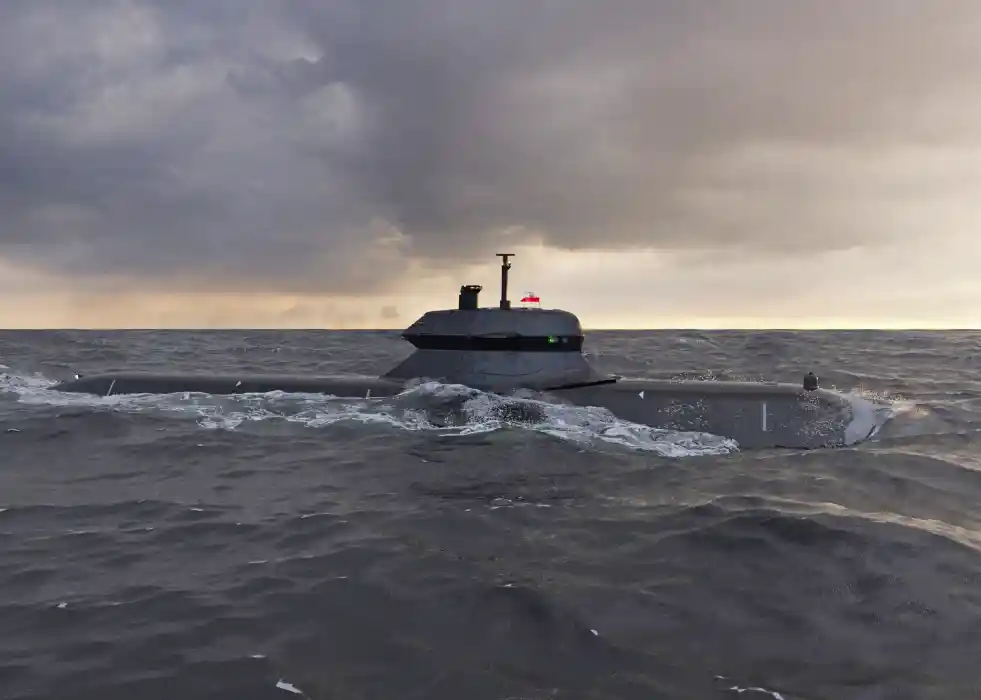
Following the AKYA heavyweight torpedo, Turkiye has embarked on developing various submarine-launched missiles for different tasks. The development of three missiles is ongoing for launch from submarine torpedo tubes to give the submarines ASuW, land attack, and self-air defence capabilities.
The first known development is the GEZGİN missile. While there have been no official statements, GEZGİN is anticipated to have a longer range than current cruise missiles like SOM and ATMACA due to its mission profile.
The missile will be an important asset to the Turkish Navy, onboard submarines and future warships like TF2000 destroyers. With the stealthiness of a submarine, the missile will allow the Turkish Navy to conduct surprise attacks on high-value targets from the coastline to the mainland with submarines.
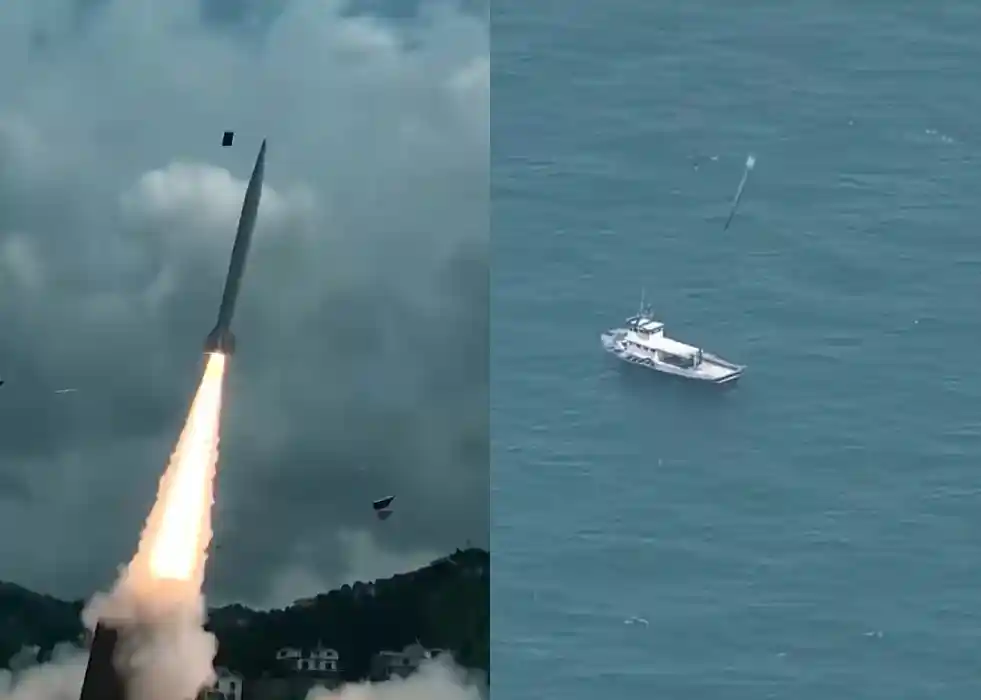
Beyond the Turkish Navy, Air Forces are also expected to adopt the missile as F-16 ÖZGÜR modernisation’s informative video included an air-launched GEZGİN among the planned munitions. The second development aimed at ASuW capability, the submarine-launched ATMACA cruise missile, was seen during the delivery ceremony of the TCG Piri Reis (S-330) submarine in Aksaz Shipyard Command.
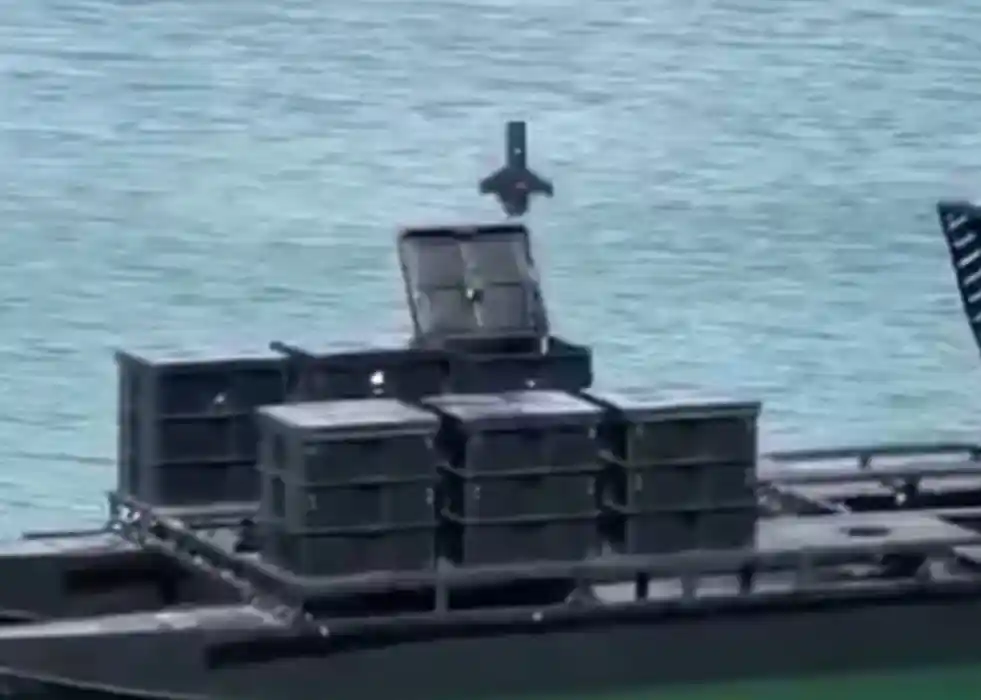
The missile was shown alongside the launch capsule to travel unpowered to the water surface for launch. ATMACA currently has a range of 250 km and has options for an RF or IIR seeker. A hybrid seeker with both RF and IIR sensors is also in development as part of the Block 2 upgrade.
While there is no exact specification on the submarine-launched ATMACA, it can be expected to serve as a dual-purpose missile until GEZGİN, dedicated to land attack missions with its much larger warhead and longer range, enters service.
In addition to cruise missiles, during 10th Naval Systems Seminar, a submarine-launched Hisar air defence missile or Hisar Derin as called by ASELSAN was stated to be under development.

The infographic states that air defence missiles can be launched from the capsule in addition to anti-ship missiles. The self-defence of submarines against ASW helicopters has been brought up in the past two decades with developments like the fibre-optic/IIR-guided IDAS missile.
The idea is to have a missile that can be controlled through a fibre-optic cable from the launch capsule communicating with the submarine to acquire low-flying aircraft.
The submarine can guide the missile with its periscope or send commands to the missile when it detects sonar emissions from a helicopter. In addition to IDAS being the only missile to be developed for submarine-based air defence, the IDAS programme being run under a consortium that includes ROKETSAN might give some hints on the characteristics of the Hisar Derin missile.
To obtain these capabilities, “a lot of” underwater launch tests will be necessary, especially when this is a new field for Turkiye. To ease up this process, TÜBİTAK SAGE has developed the underwater launch testbed DATA which can be used in different depths.
While it will be a challenge for the industry to develop submarine-based missiles, payoff in the form of stand-off attack capability against enemy ships and land targets will be a strategic advantage that only a few countries possess.