Armenia moves past disputes and prioritises regional peace, diplomacy, and economic cooperation in the Caucasus, strengthening ties with its neighbours.
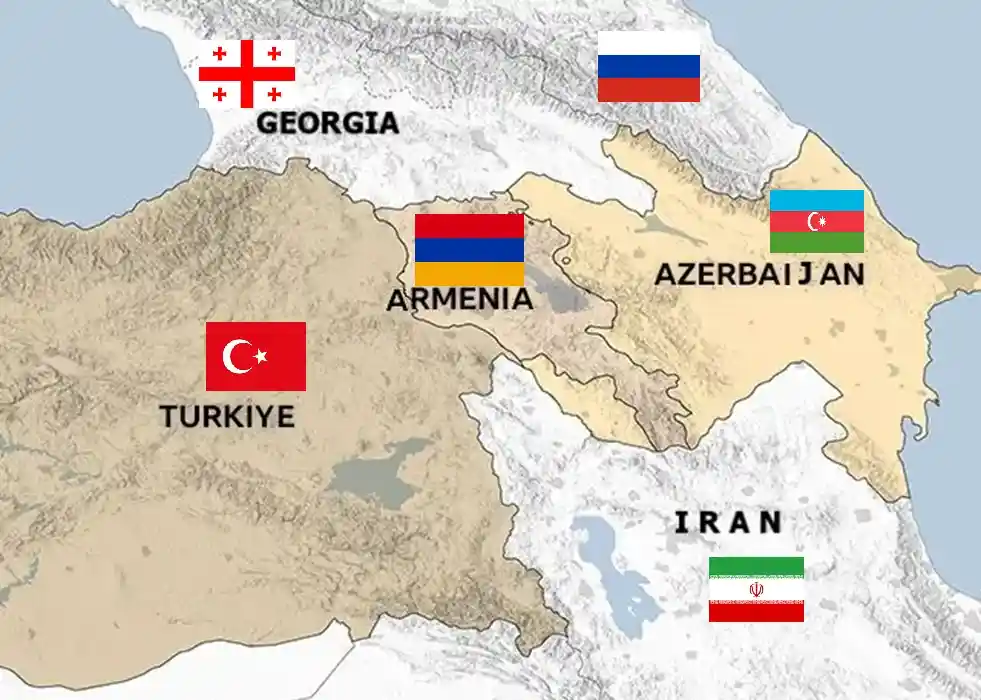
Armenia has had tense ties with its neighbours for decades, especially because of its occupation of Karabakh territory of Azerbaijan. However, Armenia is negotiating a new political path, as the area is now mostly under Azerbaijani authority. The nation has concluded a peace accord with Azerbaijan and is actively trying to normalise relations with Turkiye.
Armenian Prime Minister Nikol Pashinyan admitted a change in Armenia's foreign policy posture during a recent meeting with Turkish media in Yerevan. Unlike previous diplomatic initiatives, he said that his government's priorities now revolved not on the global acceptance of the events of 1915 but rather on other aspects. Pashinyan underlined in reference to the Armenian diaspora that Armenia's economy, peace, or security has not benefited from other countries' recognition of the nation.
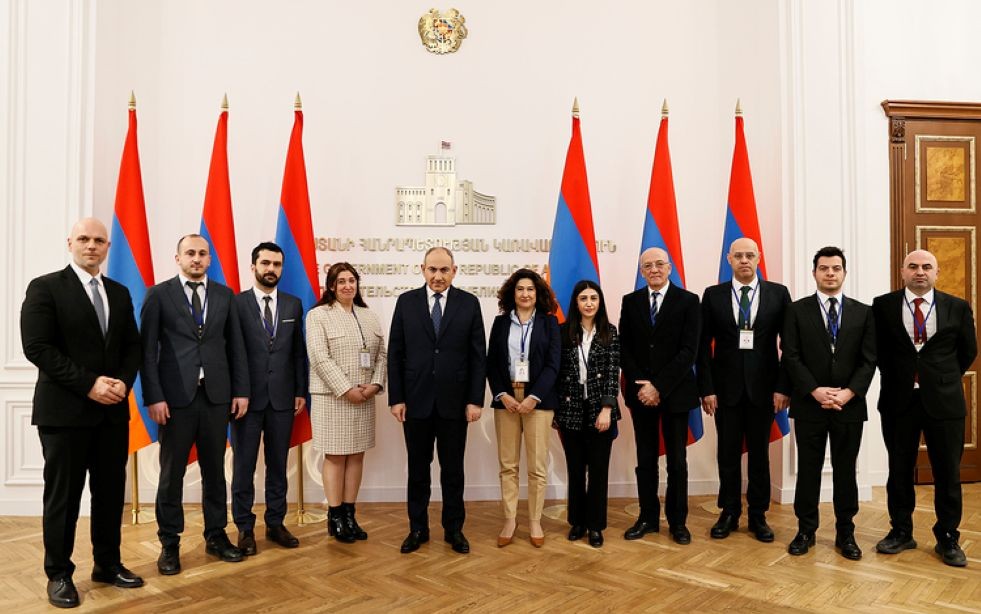
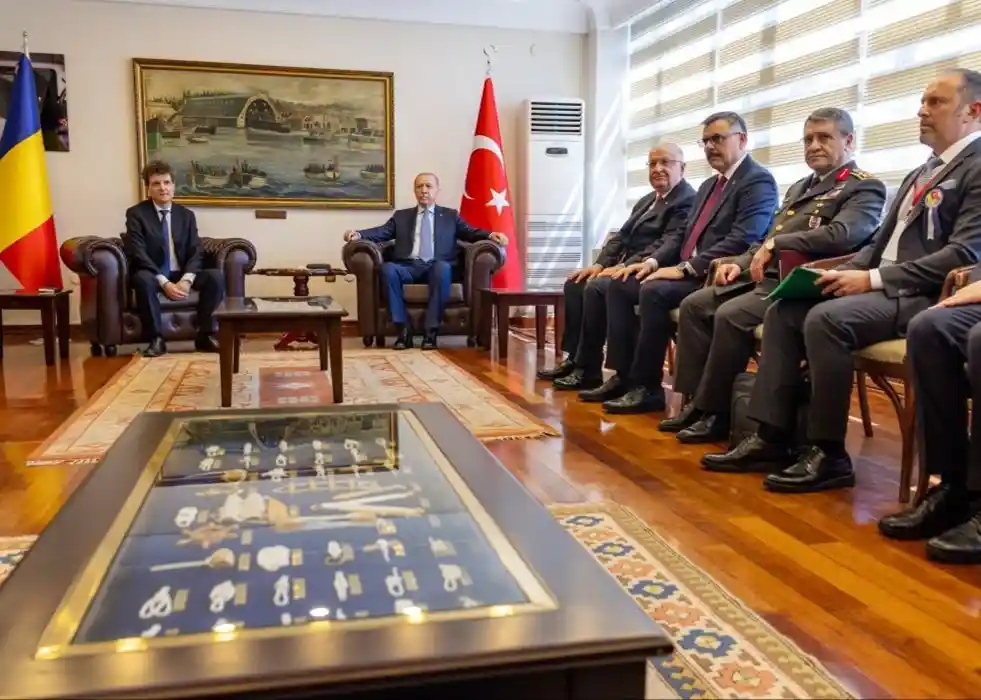
Pashinyan mentioned the continuous, direct interaction between Armenia and Turkey as a major change in the relationship between the two nations compared to past tense ties. He asserted that the framework for diplomatic normalisation had been laid even if he acknowledged that progress might not yet show itself in obvious actions. He reported many high-level meetings between Armenian and Turkish officials, including direct conversations between himself and Turkish President Recep Tayyip Erdoğan.
One of the main debate topics is opening the land border between Armenia and Turkiye. Pashinyan reaffirmed Armenia's demand for direct commerce and the complete execution of the 2022 deal, which initially permitted crossings for third-country people and diplomatic passport holders but is not being followed. He also underlined that Armenia currently has financial difficulties since two of its four land borders are still blocked.
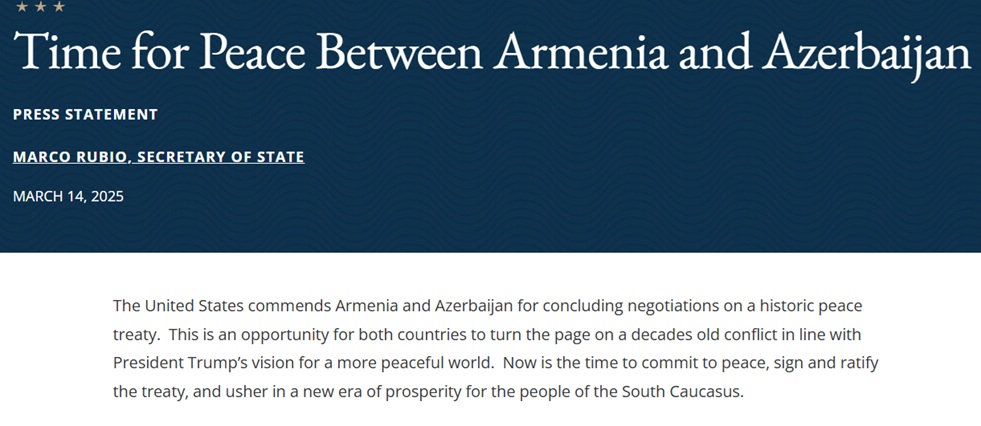
In the meantime, Armenia has finalised a historic peace agreement with Azerbaijan. Declaring it a chance to turn the page on a decades-old dispute and pushing for quick ratification of the deal, the U.S. Department of State released a statement praising both countries for finishing discussions.