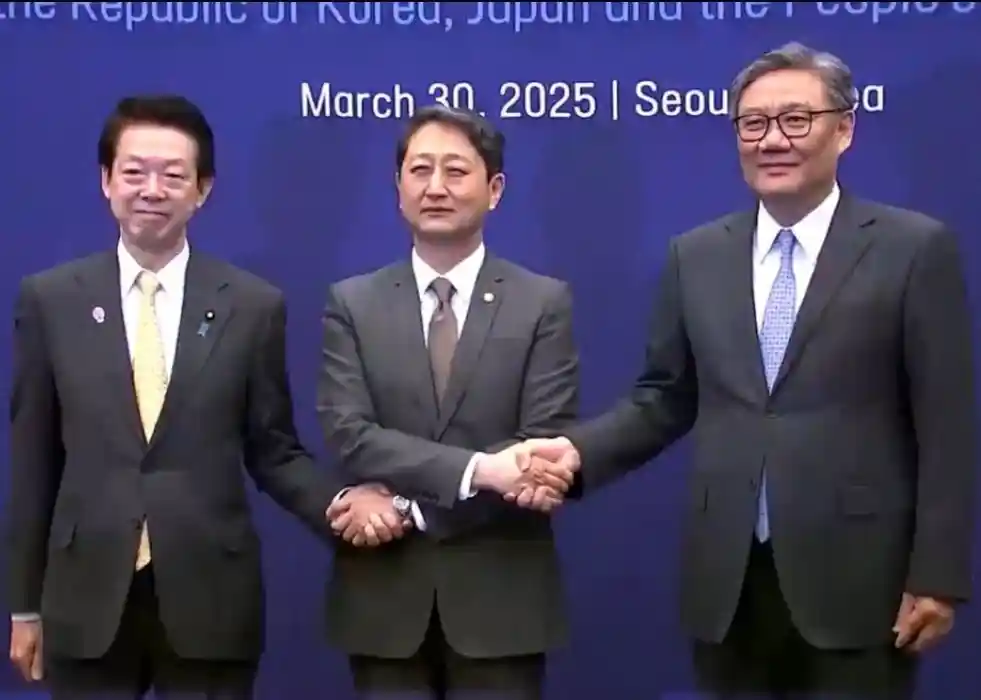
China, Japan and the Republic of Korea met at trilateral economic talks to balance U.S. protectionism while avoiding direct confrontation with Washington.
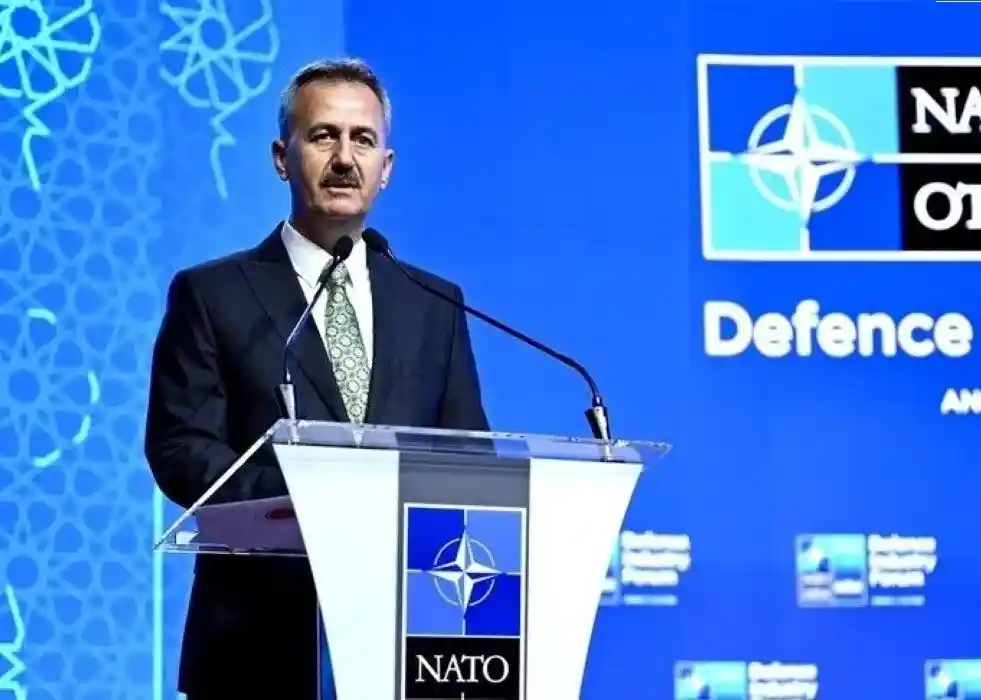
Tensions inside North Atlantic Alliance NATO are rising as former U.S. President Donald Trump returns to the White House in 2025 after four years of interval. Trump's confrontational language aimed at important allies like Canada, Denmark, and Germany has revived worries about alliance unity and future. China, Japan, and the Republic of Korea (ROK) have discreetly revived their trilateral trade talks on the Pacific Ocean, offsetting the rising uncertainty in Western-led systems.
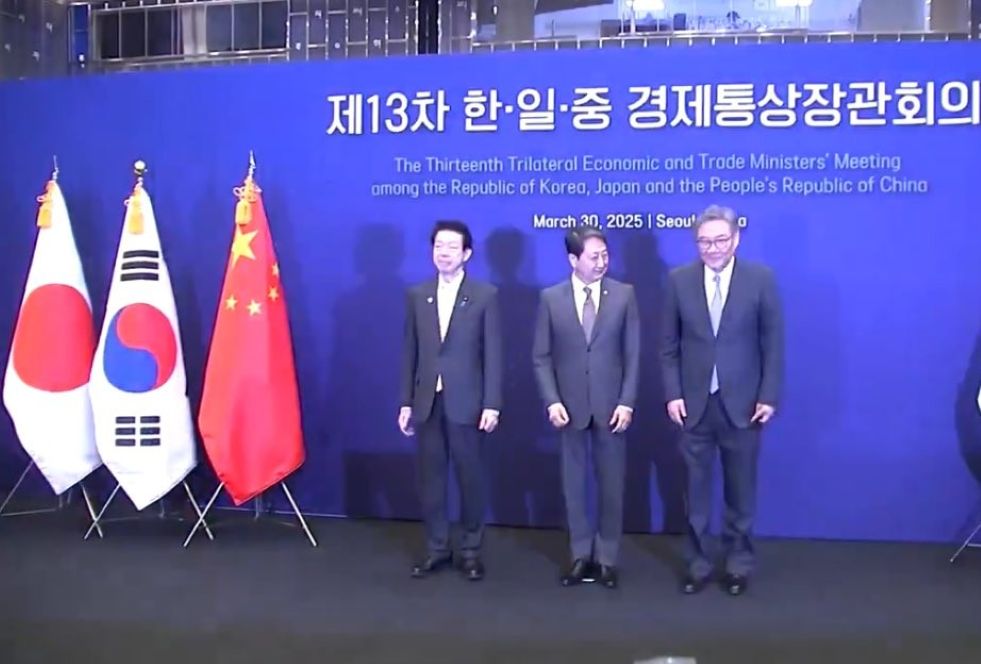
The three East Asian nations convened the 13th Trilateral Economic and Trade Ministers' Meeting on March 30, 2025, underlining their commitment to regional cooperation. Although the discussions focused on economic topics such as supply chains, market access, and post-pandemic recovery, the underlying message was obvious: East Asia wants stability through pragmatic collaboration in a time of global fragmentation.
Despite political tensions and territorial conflicts, China is still a major economic partner for both Japan and the ROK. Traditional allies are growingly hedging as the United States under Trump pushes an "America First" policy, deciding not to depend just on Washington for strategic or economic alignment.
The United States has responded cautiously yet subtly. Trump's return caused unease among the Atlantic alliance and Indo-Pacific partners, whereas the previous Biden administration was cautious and diplomatically flexible.
The administration seems more receptive to international processes outside of U.S. control, especially in South Korea, where political unrest persists after President Yoon's impeachment. Previously regarded as politically delicate, Japan is expanding its economic outreach to China while simultaneously reinforcing its defence ties with the United States.
The China-Japan-ROK trade negotiations might develop into a more organised economic bloc during this changing environment, possibly even hastening the long-delayed trilateral Free Trade Agreement. In a world where alliances change, East Asia's economic diplomacy might become a stabilising influence.