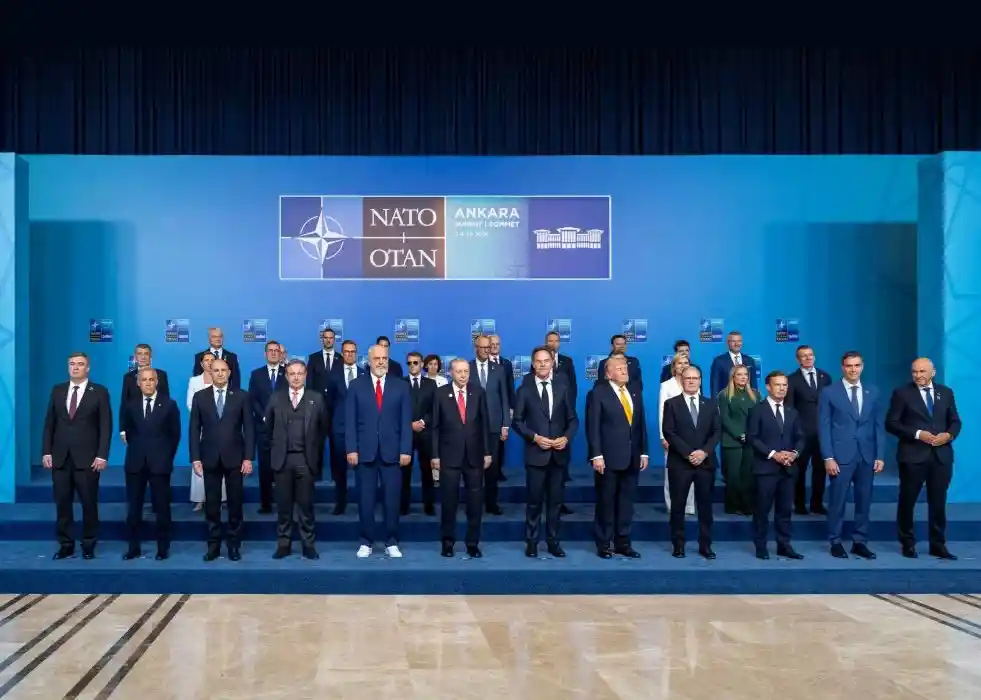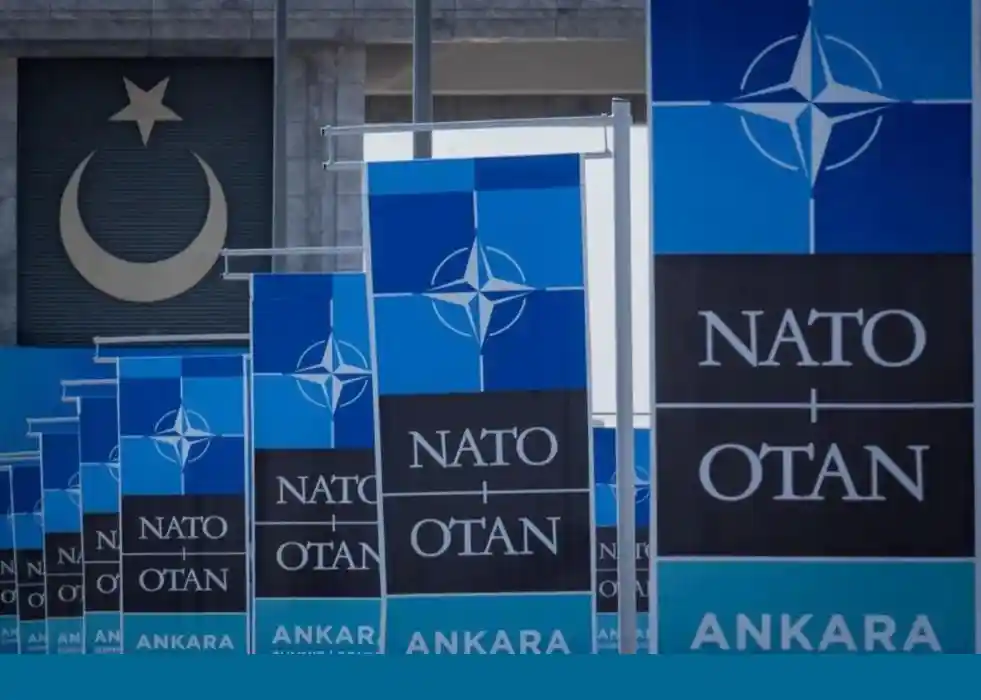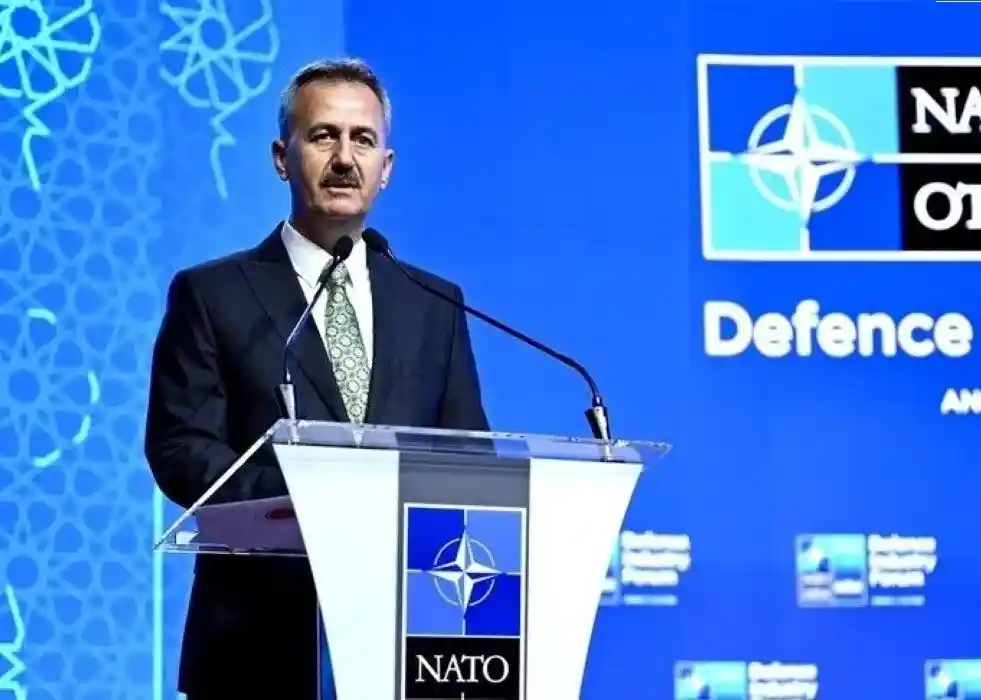
The 36th NATO Heads of State and Government Summit opened in Ankara on 7 July with the NATO Summit Defence Industry Forum, placing defence production, industrial capacity and joint procurement at the front of the Alliance agenda for the first time.
Hosted by Turkiye, the forum brought together NATO officials, Allied representatives and defence industry leaders at a time when the Alliance is seeking to turn higher defence spending commitments into production capacity and multinational capability projects.
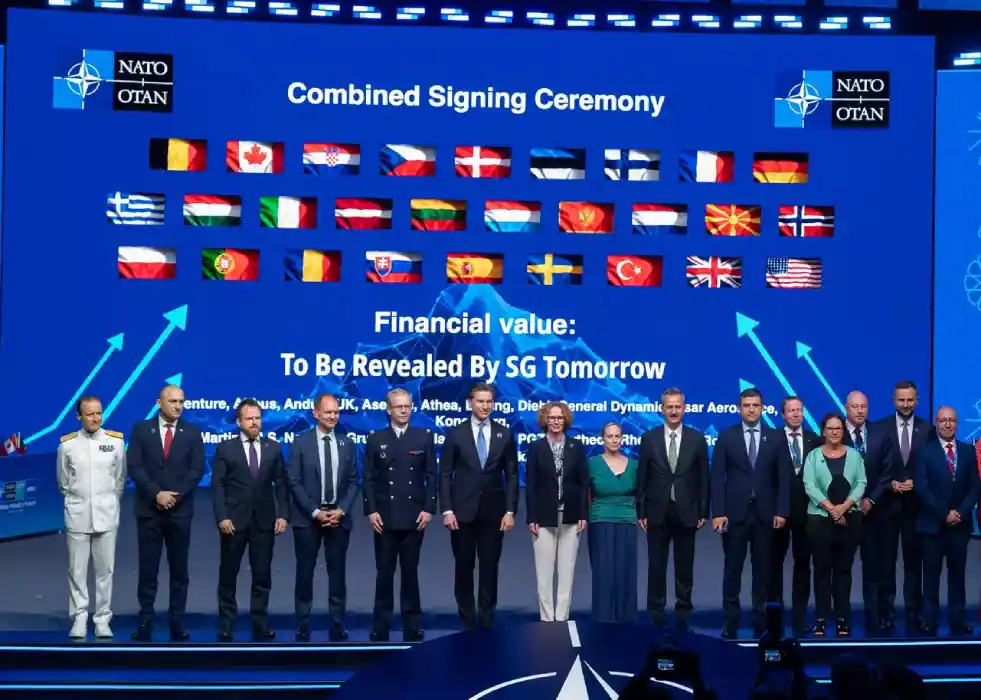
Haluk Görgün, Secretary of Defence Industries, said agreements were signed under the 2026 NATO Defence Industry Forum in several priority areas, including strike capabilities, integrated air and missile defence, space and surveillance capabilities, critical raw materials for defence and NATO’s UAV superiority.
Görgün said ASELSAN, ROKETSAN, STM and TÜBİTAK would be among the contractors involved in projects that he described as forming part of the backbone of NATO’s deterrence architecture in the coming years.
Speaking at the opening of the forum, Görgün said the Defence Industry Forum had become a central part of this year’s summit, reflecting a growing understanding of the defence industry’s importance for the future of the Alliance.
He said NATO’s recent decisions on defence production and industrial capacity had created a new framework for Allied cooperation. He referred to the Defence Production Action Plan agreed at Vilnius, the Industrial Capacity Expansion Pledge adopted in Washington and the defence investment commitments that followed at The Hague.
Görgün said the security environment had changed sharply over the past three years, adding that NATO had limited time to strengthen industrial capacity and that no country could carry this burden alone.
“Turkish defence industry is ready to become one of the driving forces of the industrial transformation NATO needs,” Görgün said.
He said Turkish companies offered mature solutions in armed UAVs, deep strike, space technologies, air defence and counter-drone systems, adding that NATO forces already use Turkish products in the field.
Görgün also cited cooperation with Spain on modern jet training aircraft, partnerships in Poland involving electronic warfare and border security infrastructure, and Turkish contributions to strengthening the land and naval inventories of Romania, Hungary and Estonia.
The priority areas cited by Görgün place Turkish companies in several emerging NATO capability tracks, from air defence and strike to space, unmanned systems and supply chain resilience.
Author: Özgür Ekşi