When looking at its aims, how it plans to use its resources, and how likely it is to work, the EU's SAFE seems to be influenced by political aspirations.
Following Russia’s invasion of Ukraine, the European Union launched a major defence financing initiative, SAFE (Security Action for Europe), aiming to boost military capability and industrial capacity by 2030. SAFE, embedded within the broader “ReArm Europe” and “Readiness 2030” agendas, offers €150 billion in favourable loans, funded through EU-level credit mechanisms, to enhance defence investments across member states.
SAFE’s strategic priorities include:
• Strengthening the European Defence Technological and Industrial Base (EDTIB),
• Encouraging joint procurement between at least two member states,
• Filling critical capability gaps (especially in air defence, artillery, and UAVs),
• Replenishing depleted stocks due to aid to Ukraine,
• Enhancing visibility to attract private-sector investment.
In parallel, SAFE is designed to complement ongoing EU programmes like EDIRPA, ASAP, and EDIP, forming a cohesive ecosystem. Most of the SAFE loan (65%) must go to firms in the EU, the European Economic Area (EEA), or Ukraine. However, up to 35% can go to suppliers outside the EU, such as Türkiye, the US, or the UK.
But the EU's military sector is weaker since it hasn't been invested in for decades since the end of the Cold War. Many European countries transformed their military-industrial basis into other facilities, which led to a lack of trained workers, manufacturing capacity, and logistical flexibility.
2. Türkiye’s Technical Strength and Strategic Contribution Potential
Türkiye has emerged as a competitive, NATO-aligned defence producer with robust export performance. Defence and aerospace exports exceeded $7.1 billion in 2024, with more than 180 customer nations. Türkiye’s potential contributions to SAFE fall into several key categories:
• Unmanned Aerial Systems (UAVs/UCAVs):
Many countries are already using Türkiye's Bayraktar TB2 and ANKA UAVs in combat. These systems are quick to supply, cost-effective, and have been proven in the field for dependability for European countries who require UAVs right now.
• Munitions and Missiles:
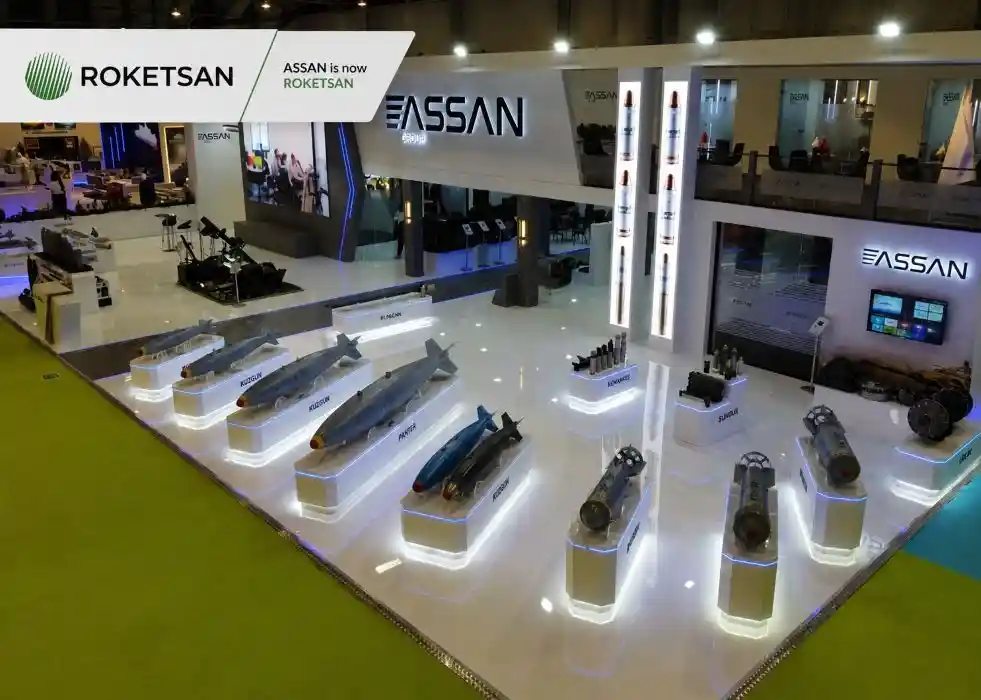
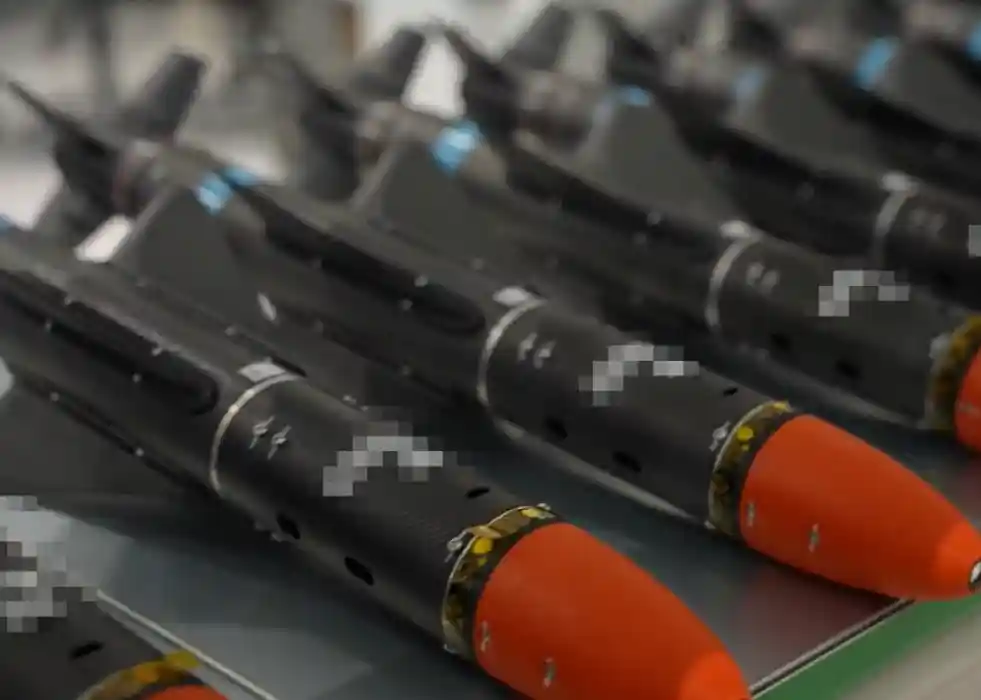
Turkish defence companies like Roketsan and MKE mass-produce 155mm artillery rounds, rockets, anti-tank missiles (e.g., UMTAS), and guided systems (e.g., SOM, Atmaca). Türkiye can rapidly respond to EU-wide stockpiling demands and meet NATO standards.
• Armoured Vehicles:
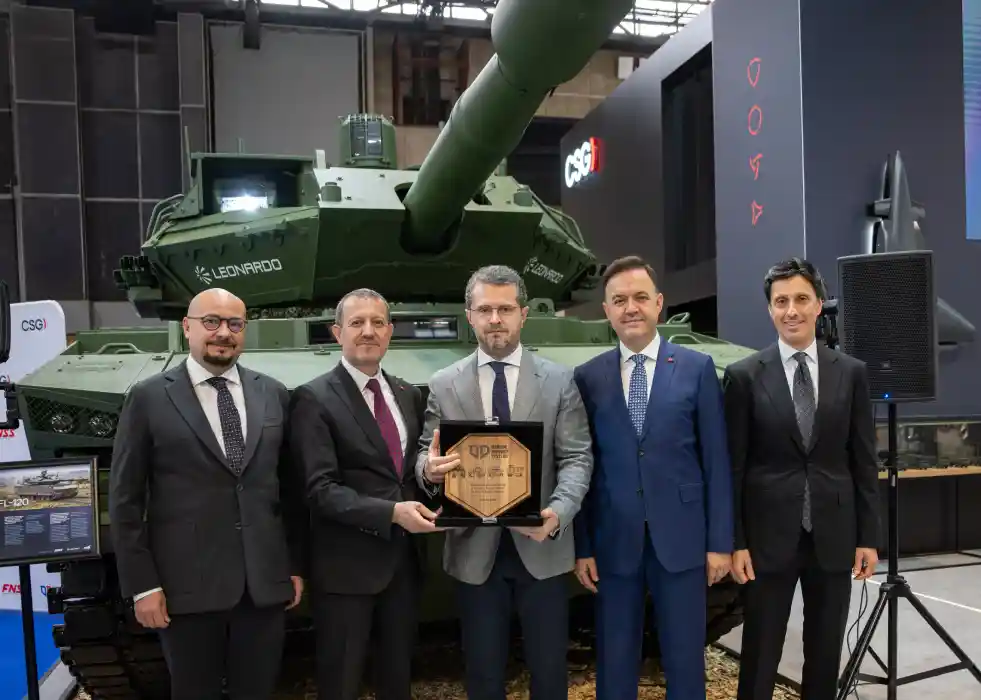
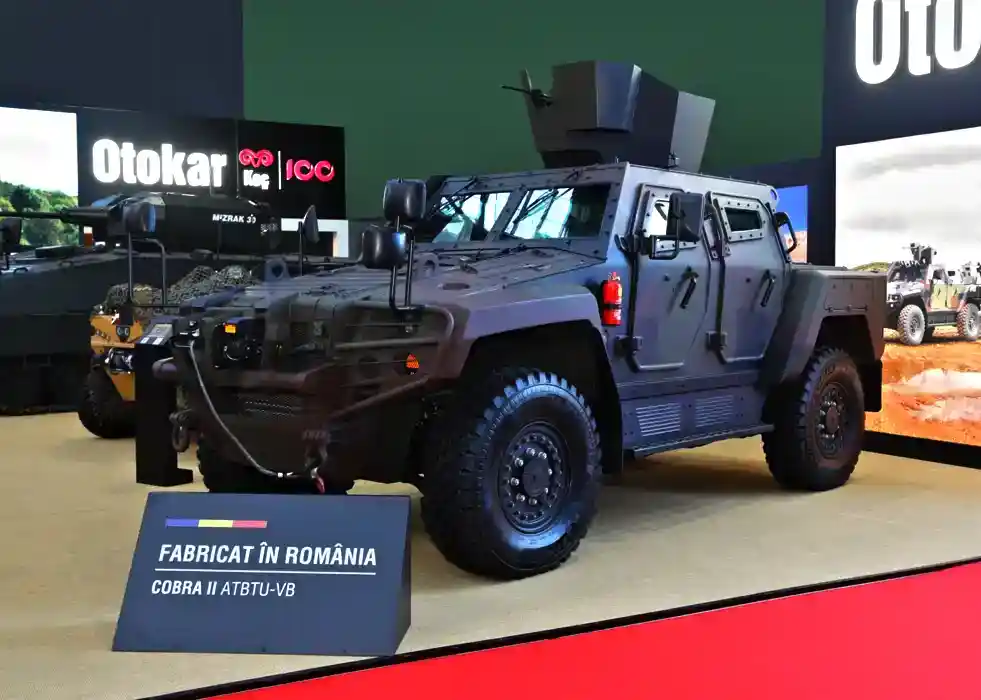
Companies such as Otokar, FNSS Savunma, Nurol Makina, and BMC produce tracked and wheeled armoured vehicles such as MRAPs, APCs, and tactical vehicles which are actively used by Ukraine, Hungary, Romania, and Estonia. Production scalability and low unit cost offer an advantage for smaller EU militaries.
• Electronic Warfare, Radars, Communications:
ASELSAN systems—like the KORAL EW suite, AESA radars, and encrypted communications—meet NATO standards and offer proven battlefield performance. These solutions are suitable for EU infrastructure protection and counter-drone needs.
• Air Platforms and Engines:
Türkiye’s KAAN 5th-gen fighter project, T129 ATAK helicopters, and indigenous engine development (via TEI) could contribute niche technologies. Joint ventures, such as with Rolls-Royce and Leonardo, already exist.
Beyond exports, Türkiye can participate in joint manufacturing, co-development, and R&D collaborations within the SAFE ecosystem. For instance:
• Nurol Makina’s joint venture in Hungary,
• Otokar’s production in Romania,
• Baykar’s acquisition of Piaggio Aerospace.
These industrial ties signal Türkiye’s transition from supplier to strategic co-producer.
3. Political Barriers: The Role of France, Greece, and the EU’s Internal Contradictions
Despite Türkiye’s technical and operational compatibility with NATO and EU forces, its full integration into SAFE remains politically contested. While no member state holds veto power over SAFE participation, qualified majority voting may allow actors like France, Greece, Greek Cyprus, and Austria to rally opposition and block Türkiye’s access to the fund.
This would, however, contradict the EU’s own goals:
• Excluding Türkiye limits access to cost-effective, NATO-compatible systems,
• Undermines Europe’s ability to scale production quickly,
• Jeopardises the EU’s pursuit of strategic autonomy.
The contradiction is clear: political exclusion of a capable supplier weakens the very objectives SAFE is designed to achieve.
To navigate these restrictions, Turkish companies may explore hybrid solutions:
• Establish subsidiaries within the EU,
• Initiate offset-based co-production models,
• Integrate through licensing and local partnerships.
This would technically comply with the 65% EU production requirement while still leveraging Türkiye’s capacity. Turkish defence clusters—located in Kayseri, Eskişehir, İzmir, and Konya—could serve as modular integration hubs, offering engineering-intensive roles that fulfil both technical and political conditions.
Moreover, these arrangements are not mere subcontracting. System integration involves know-how transfer, iterative testing culture, and innovation capacity—allowing Türkiye to embed itself as a shadow R&D partner in the European ecosystem.
Lastly, Türkiye’s strategic geography, combat-experienced military, and industrial flexibility offer critical advantages over more distant suppliers like South Korea. EU member states’ reliance on third parties contradicts SAFE’s localisation goals, whereas Türkiye can meet both operational needs and political criteria with structural alignment.
Conclusion:
The SAFE programme presents Türkiye with a path not only to immediate export opportunities, but also to medium-term industrial partnerships and long-term strategic integration. However, realising this potential depends on overcoming political barriers, especially opposition from France and Greece. If the EU wishes to make SAFE successful, it must reconcile its political divisions with its industrial strategy.
Failure to do so would not only exclude Türkiye but sabotage Europe’s own defence modernisation efforts. Conversely, Türkiye’s inclusion—either formally through a defence partnership or informally via industrial cooperation—would accelerate the EU’s transition toward strategic autonomy while enhancing NATO–EU synergy. For both sides, the rational choice lies in partnership, not exclusion.
Analyse: Özgür Ekşi