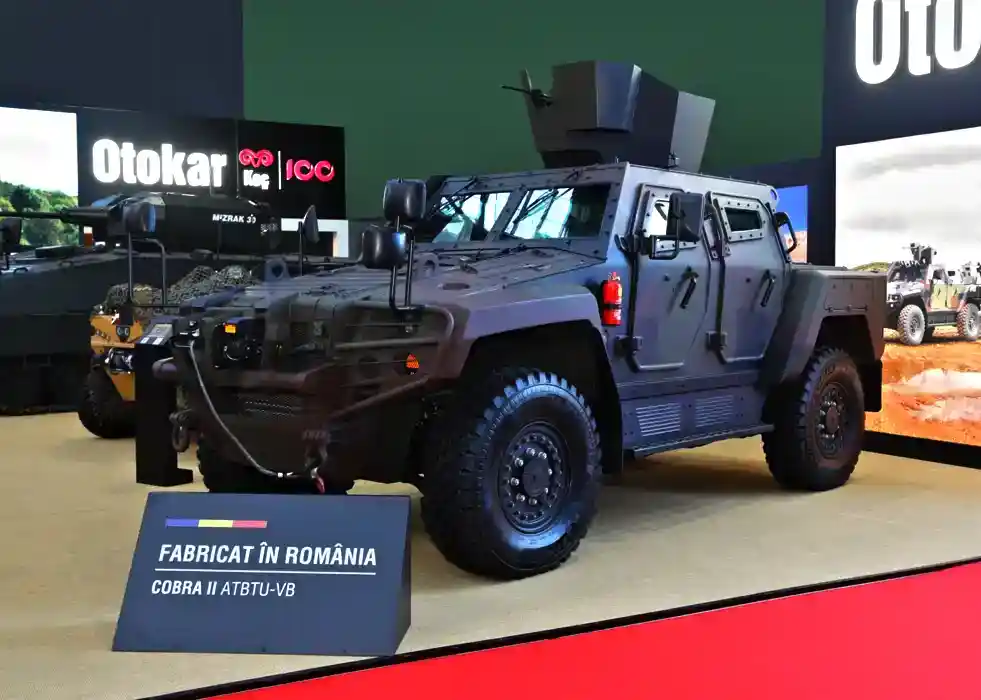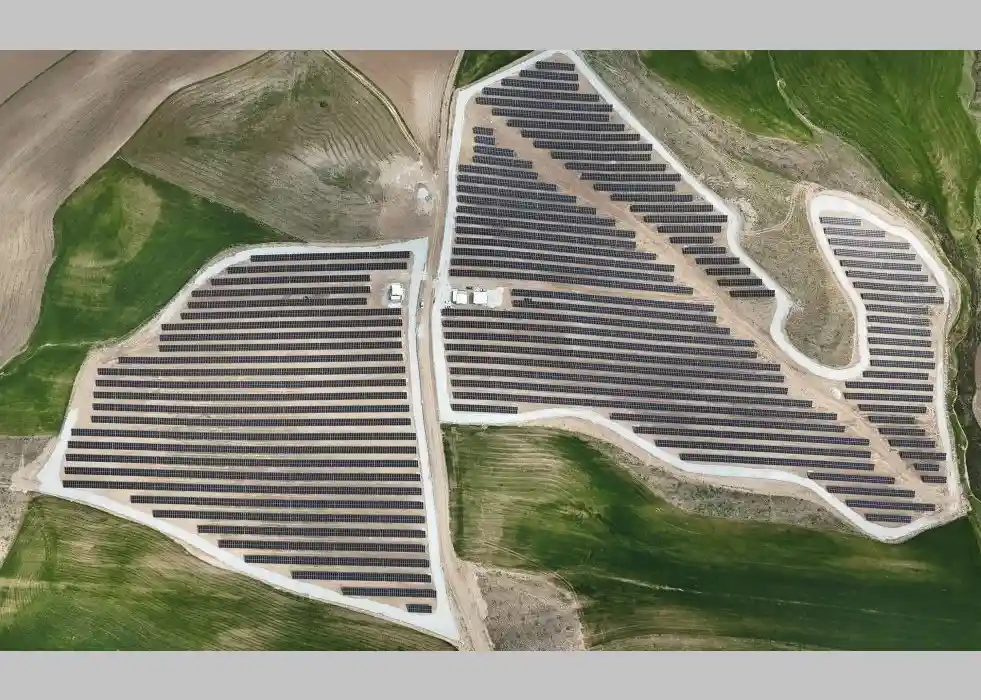
Otokar [BIST-OTKAR]has commissioned a 10 MW solar power plant in Malatya that will offset around 60% of the electricity consumed at its main manufacturing facility in Sakarya, supporting lower-emission production while improving the long-term sustainability and cost efficiency of its manufacturing operations.
The ground-mounted solar installation is expected to generate approximately 19 million kWh of electricity annually. Built under Türkiye's renewable electricity offsetting framework, the facility will not supply a local production site but instead offset electricity consumption at Otokar's integrated manufacturing complex in Arifiye, where the company produces both commercial vehicles and military land systems.
The investment highlights a broader transformation taking place across the defence industry, where manufacturers are increasingly competing not only through the performance of their platforms but also through the sustainability of the way they are produced.
European governments, NATO members and major defence companies are placing growing emphasis on environmental performance throughout industrial supply chains. Although operational capability, delivery schedules and price remain the primary criteria in military procurement, lower-carbon manufacturing and renewable energy use are becoming increasingly important considerations, particularly in European export markets.
For companies with significant international ambitions, demonstrating environmentally responsible production is no longer viewed solely as a corporate sustainability initiative. It is becoming part of industrial competitiveness as defence manufacturers seek to align with evolving customer expectations, evolving procurement practices and broader European climate objectives.
The investment also offers a direct industrial benefit.
Manufacturing armoured vehicles requires energy-intensive processes including steel fabrication, welding, machining, painting and systems integration. By producing a significant share of its electricity from renewable sources, Otokar can reduce its exposure to electricity price volatility while improving the long-term predictability of manufacturing costs.
Although electricity represents only one component of overall production costs, greater energy independence can enhance cost competitiveness over the lifetime of long-term defence programmes.
The project places Otokar alongside a wider trend among major defence manufacturers, many of which have expanded renewable energy investments and emissions-reduction programmes as sustainability becomes increasingly integrated into industrial strategies and supply-chain management. For export-oriented companies, how defence equipment is manufactured is becoming an increasingly important part of their competitive proposition alongside the capabilities of the platforms themselves.
Commenting on the project, Otokar General Manager Aykut Özüner said the investment represents another step in the company's sustainability strategy.
"For more than 60 years, we have been shaping the future of mobility through the vehicles we design and manufacture. Today, we are fulfilling our responsibility to nature and future generations not only through our products but also through our production processes. The 10 MW solar power plant we have commissioned in Malatya marks an important step in reducing the carbon footprint of our manufacturing operations. Meeting approximately 60% of our factory's electricity demand through renewable sources demonstrates our commitment to environmental sustainability. We will continue using our engineering capability to support green transformation across every stage of our operations," he said.
Author: Özgür Ekşi