Having invested significantly in its Army and Air Force, Croatia is now focusing on modernising its Navy to buy two to three sophisticated multifunctional corvettes.
According to croatiaweek.com, the Croatian Deputy Prime Minister and Defence Minister Ivan Anušić have recently confirmed the country’s intentions to purchase two to three multipurpose corvettes, the largest and most advanced warships in history.
Currently, the Croatian Navy relies on obsolete patrol and missile boats; vessels with anti-ship, anti-aircraft, and anti-submarine warfare capabilities are required for open-sea and coastal operations.
Delivery of the first Corvette might happen by 2029 or 2030. Although the ultimate model and shipbuilder are still to be chosen, talks are already being done on constructing part of the ships in Croatia, maybe at shipyards like Brodosplit or “3. Maj”. Working with international partners—including Sweden and Turkiye—is also under consideration to guarantee the required technology transfer for the project.
Each ship is projected to cost between €400 and €500 million. Croatia may participate in a combined procurement project to reduce the financial load with other EU nations, including Greece and Romania, which might help minimise prices and provide access to European Defence Fund funding. (TurDef’s Note: France and Greece have previously opposed Turkiye’s participation in such EU-funded projects.)
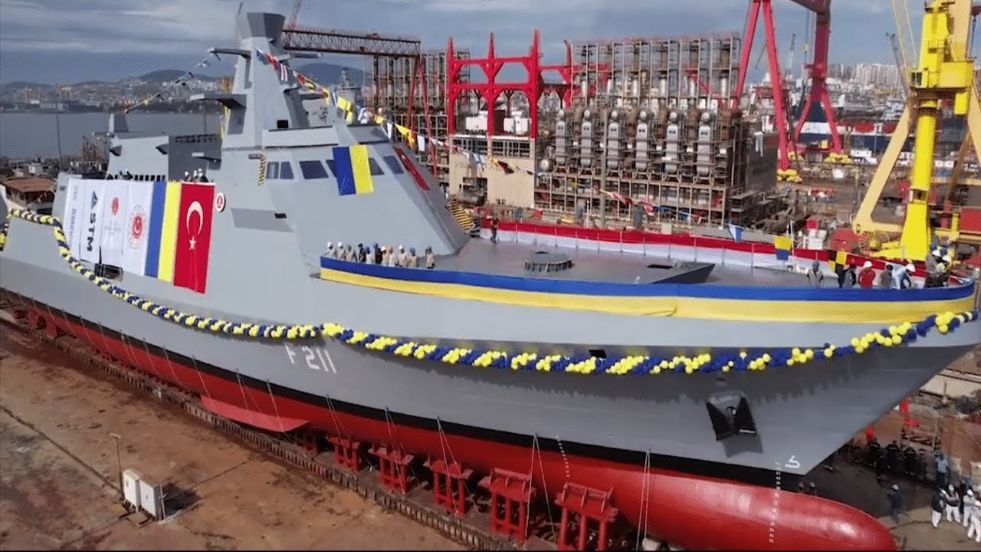
It is worth noting that, at the Adriatic Defence and Aerospace 2025 exhibition, Anušić visited the STM stand, where STM General Manager Özgür Güleryüz provided information about Turkiye’s Ada-class corvettes. Turkiye’s main advantage in Croatia’s planned order of two confirmed and one optional corvette is the potential for customisation, as demonstrated in the Ukrainian MILGEM program. Turkiye stands out for its delivery times and cost, while France and Norway are reportedly interested in the project.
Constructing these corvettes would improve Croatia’s shipbuilding sector and maritime security, strengthening its naval force more autonomously. Experts, therefore, caution the Navy against being content with weakly armed patrol boats masquerading as corvettes. If Croatia genuinely protects its maritime interests and significantly supports international operations, full fighting capacity is absolutely vital.
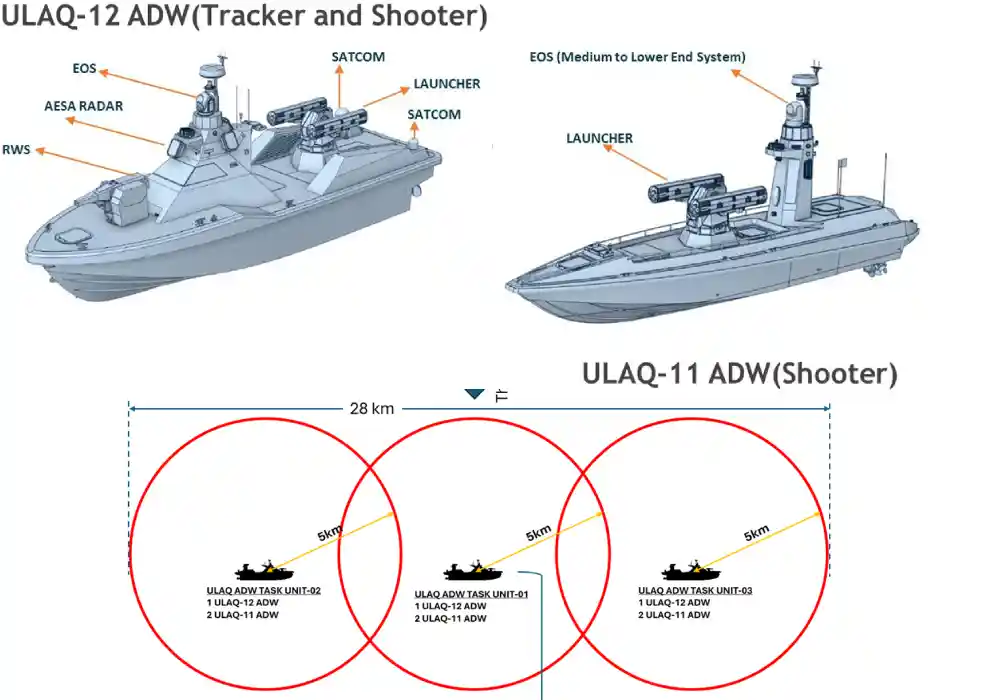
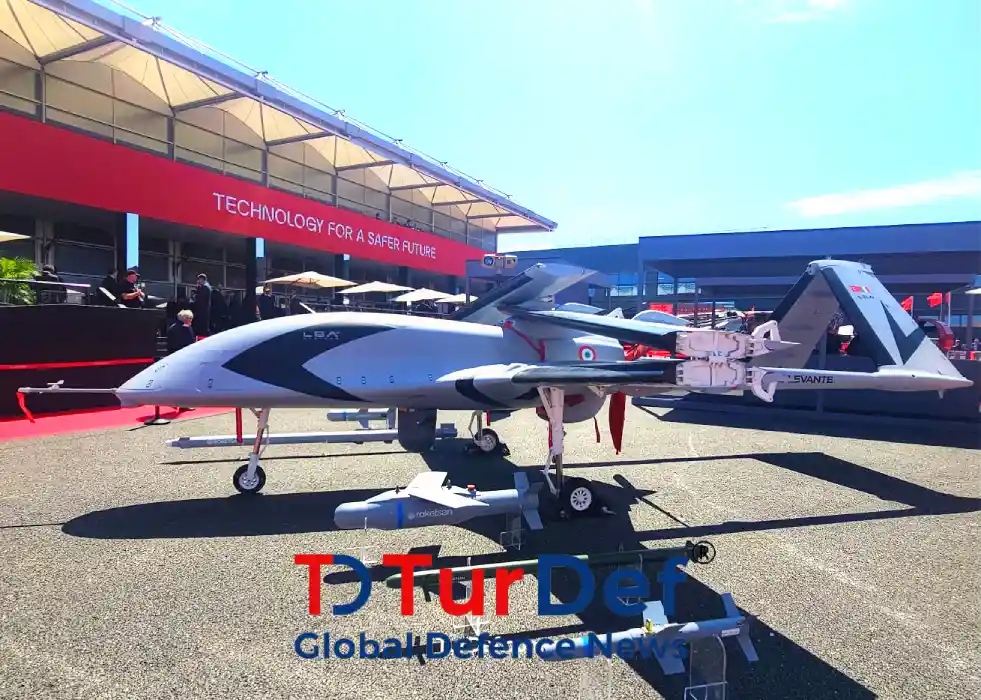
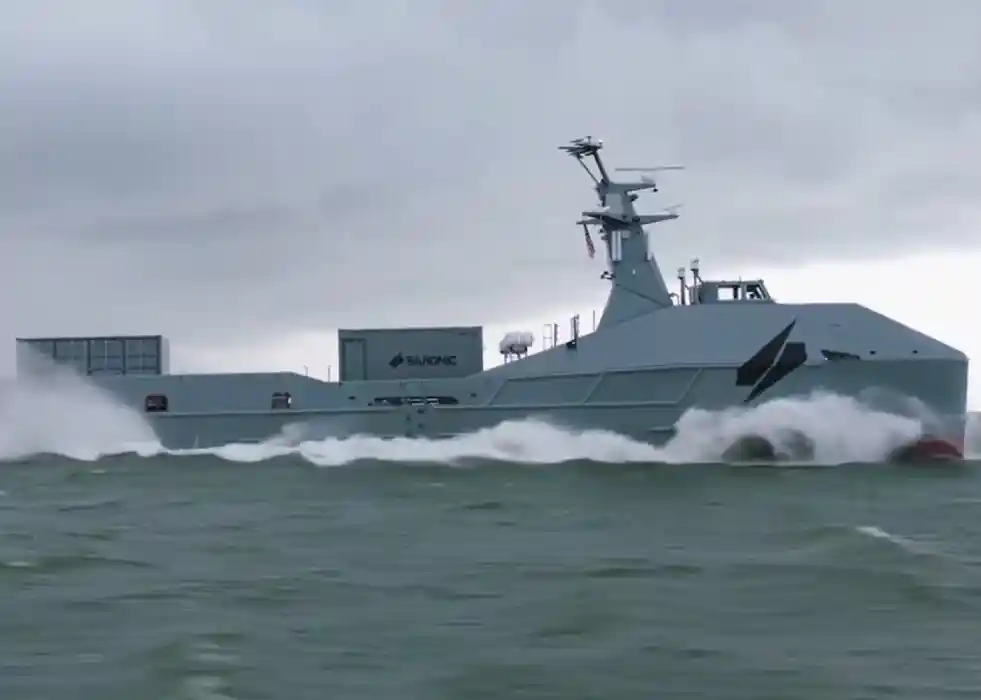
According to increasing awareness, future naval strength will mostly depend on unmanned technology such as drones and autonomous boats. Deploying such equipment is perfect for Croatia’s extensive coastline, with its many islands and thin channels. Investing in drones would provide a strong, reasonably priced means of protecting the Adriatic.
Author: Özgür Ekşi