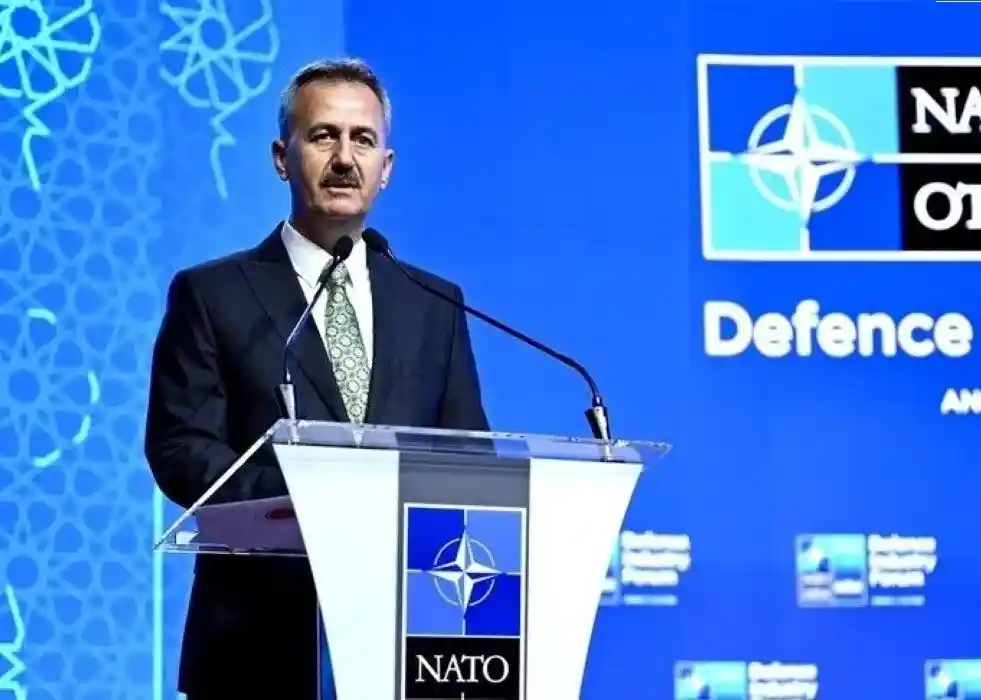
EU's new defence strategy, with €150 billion military spending programme gives European suppliers top priority, therefore excludes Türkiye, the UK, and the US.
With the Joint White Paper on European Defence Readiness 2030, the European Union has firmly moved towards changing its defence scene. This paper describes a calculated step to lower dependence on US military supply and boost the European defence sector. Nonetheless, a major component of the strategy is how it affects non-EU nations, especially Türkiye, the UK, and the US, who may be excluded from engaging in EU-funded military contracts.
Strategic Change in European Defence
Under the plan, EU members—including Norway and Ukraine—would be obliged to source at least 65% of defence-related purchases from inside the union. Projects funded by the recently formed €150 billion EU military fund, which seeks to hasten rearmaments initiatives throughout Europe, fall under this criterion. Only if non-EU nations have security relations with the EU will the remaining 35% possibly originate from outside of Europe.
European Commission President Ursula von der Leyen underlined at the Danish Royal Military Academy in Copenhagen the EU's intention to create a "strategic and industrial defence base" competent of sustaining long-term deterrence and military self-sufficiency. She underlined the significance of strengthening collaboration with particular countries such Australia, Canada, Japan, Republic of Korea, and New Zealand as well as the UK as a "core European ally." Nevertheless, the UK, Türkiye, and the US now lack official defence agreements with the EU, thus they run the danger of being excluded from major procurement projects and financing sources.
A Victory for France and Southern European Allies
France has been a major advocate of reducing Europe’s dependence on US military supplies and fostering greater European integration in defence procurement. The plan closely fits the notion of European strategic autonomy held by French President Emmanuel Macron, which aims to boost domestic military industry capability and reduce outside interference. Citing geopolitical issues, Greece and the Greek Cypriot Administration have also advocated restrictions on Türkiye's involvement in EU-funded military programs.
The Defence Industry of Turkiye Challenges or Sees Opportunity?
For Turkish military companies, who have lately increased their presence in European markets, the possible exclusion of Türkiye from EU defence spending presents a major obstacle. Türkiye has been aggressively bucking this constraint, nevertheless, using joint partnerships and European-based manufacturing plants. Otokar's planned Romanian facility and Nurol Makina's investment in Hungary will enable Turkish defence companies to manufacture in Europe, therefore avoiding any procurement limitations.
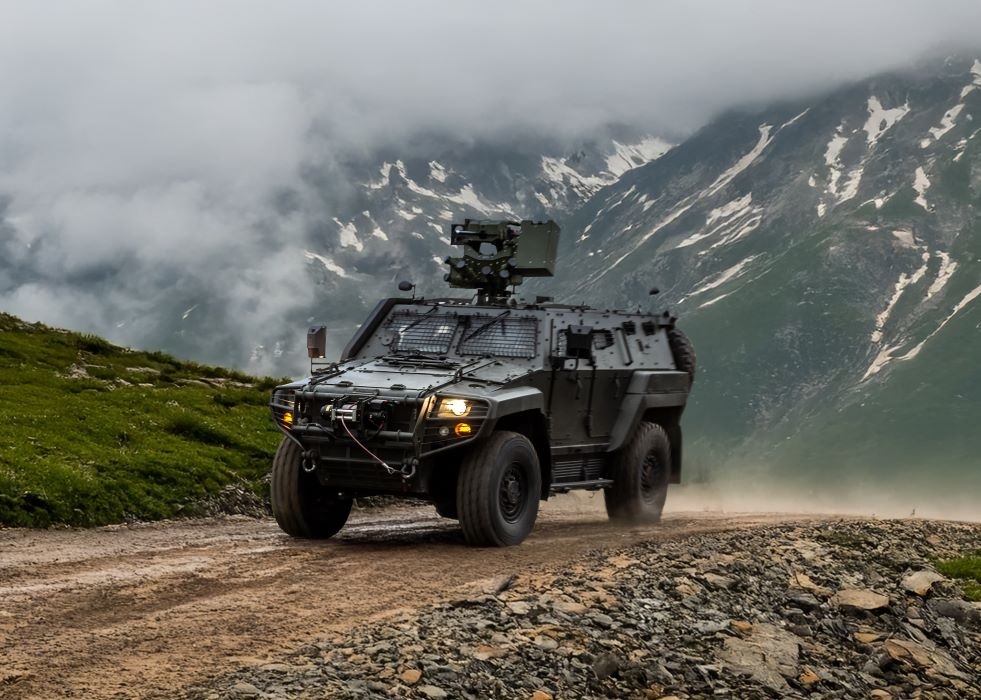
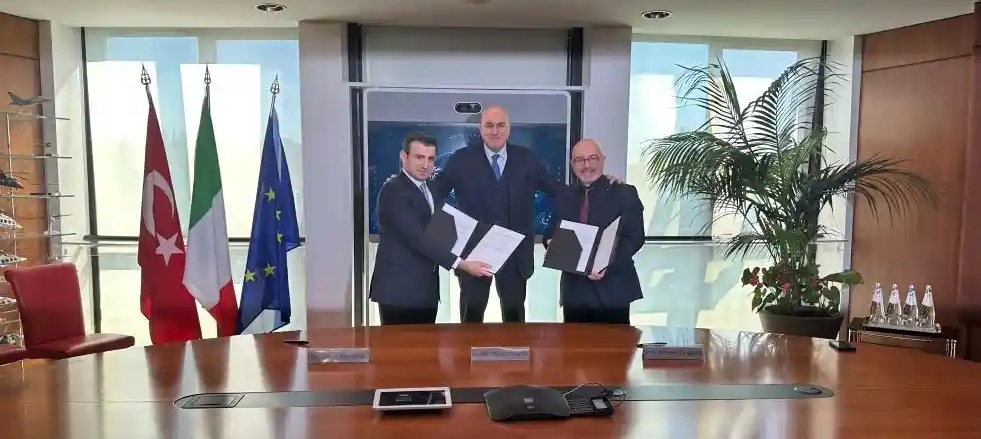
Furthermore, Baykar's purchase of Piaggio Aerospace and its growing alliance with Leonardo point to Turkish businesses looking for different routes to reach European defence markets. These calculated actions might allow Turkish military companies to take part in European rearmaments initiatives despite possible political and legal restrictions.
Diverging Opinions Within the EU
While France and Southern European nations back the proposal, opposition exists within the EU. Limiting procurement choices, according to Poland, the Netherlands, Italy, and Hungary, would compromise Europe's general defensive stance. Now seen as a frontline state because of the continuous war in Ukraine, Poland has advised flexibility to ensure NATO interoperability and fast deployment capabilities rather than limiting defence capabilities to EU-only providers.
Italy, which has deepened defence cooperation with Türkiye through joint production agreements, is also expected to oppose strict limitations. Similarly, Portugal, Spain, and Romania, which have increasingly turned to Turkish defence solutions, may push for exceptions to maintain access to advanced technologies.
Effects for Transatlantic Relations and NATO
The EU's defensive turnabout coincides with mounting worries about Russia's long-term danger to European security. Explicitly identifying Russia as a "persistent strategic threat," the White Paper warns Moscow's military aspirations might cause decades of destabilisation of Europe. The EU is responding by looking to fund €800 billion in defence projects; the first phase consists in €150 billion in loans and grants sponsored by the EU.
Notwithstanding these initiatives, researchers caution that excluding important NATO partners from European defence procurement might lead to operational inefficiencies inside the alliance. Both the US and the UK continue to be vital suppliers of military equipment and intelligence; so, restricting cooperation would affect Europe's capacity to keep a coherent security architecture.
The Path Forward: Will Türkiye Secure a Special Status?
Although Türkiye's involvement in EU defence initiatives is yet unknown, some experts propose a customised defence cooperation framework might be reached. Türkiye is a long-standing NATO member with one of the biggest standing militaries in Europe; she is absolutely vital for regional security. Historically one of Türkiye's harshest opponents inside the EU, even Greece admits that removing Türkiye completely from European security projects would backfire.
Still, there are ingrained political challenges. The unsolved Cyprus conflict keeps Türkiye-EU ties more difficult and complicates a formal defence pact. Still, analysts contend that a flexible engagement model—akin to current EU-Japan or EU-Norway security alliances—could provide a workable alternative.
In essence, a new era for European defence?
Europe's approach to military procurement undergoes a basic change with the Joint White Paper on European Defence Readiness 2030. Although the project seeks to increase European security capacity, its limited criteria might unintentionally cause rifts among important EU partners and inside NATO.
Türkiye's calculated investments in European weapons manufacturing, however, might offer another path.
If Turkish firms successfully establish production within the EU, the intended exclusion could result in a stronger and more deeply integrated Turkish presence in the European defence ecosystem.
Negotiations will probably see Türkiye and the UK advocating for exclusions to avoid geopolitical and financial consequences. The result will determine whether the EU adopts a more insular defence strategy or keeps larger alliances to handle changing global challenges, therefore influencing the direction of European security cooperation.