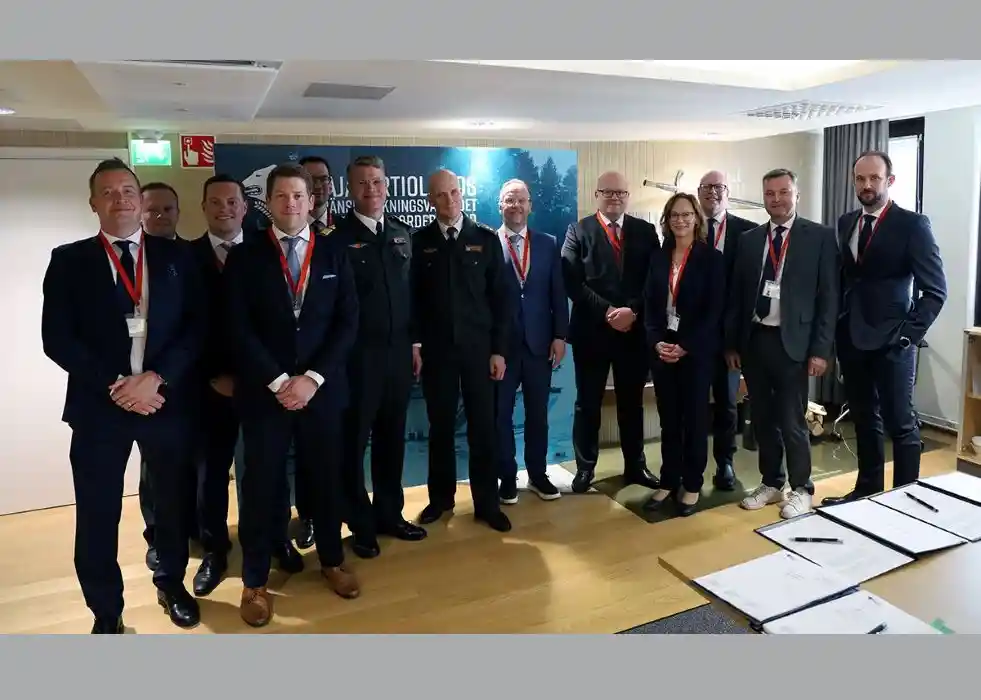
Finland's Border Guard has launched the implementation phase of a nationwide counter-drone programme by selecting an industrial consortium to develop a nationwide integrated counter-drone architecture for border security.
Among the companies selected is Finnish telecommunications giant Nokia, which will provide the secure communications infrastructure linking sensors, mobile platforms and command systems across the future network. The programme also includes Saab, Marine Alutech and software specialist 61N Solutions, each responsible for different elements of the overall architecture.
While Nokia's role centres on communications rather than counter-drone sensors or interceptors, its participation reflects a broader shift taking place across Europe's defence sector.
As concerns grow across Europe that Russia could pose a broader military threat beyond Ukraine, governments are accelerating defence spending and military modernisation. In turn, programmes once dominated by traditional defence contractors are increasingly opening their doors to companies specialising in secure communications, software integration and digital infrastructure.
For decades, telecommunications companies have supported military communications and critical defence networks. What is changing is not their technology but their role. They are increasingly becoming integral participants in operational military capability programmes, where secure connectivity is now as essential as sensors, platforms and effectors.
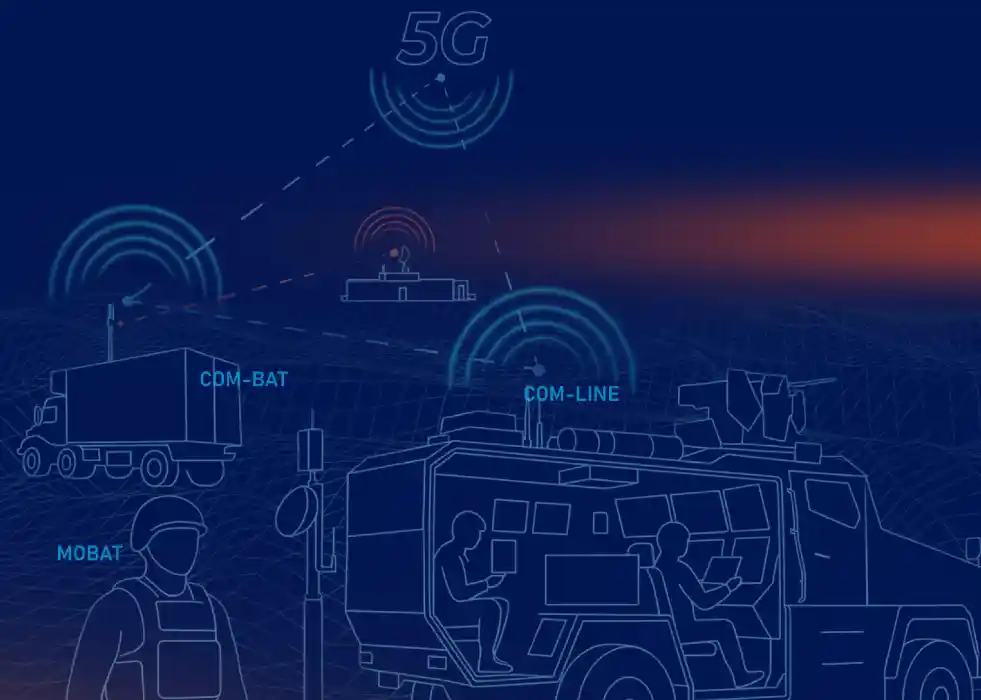
Rather than supplying radars, electronic warfare systems or kinetic effectors, Nokia will provide the resilient communications backbone that enables the programme's various components to exchange information and operate as a single network. In modern counter-UAS operations, the ability to move sensor data securely and in real time has become as critical as the systems that detect or defeat drones.
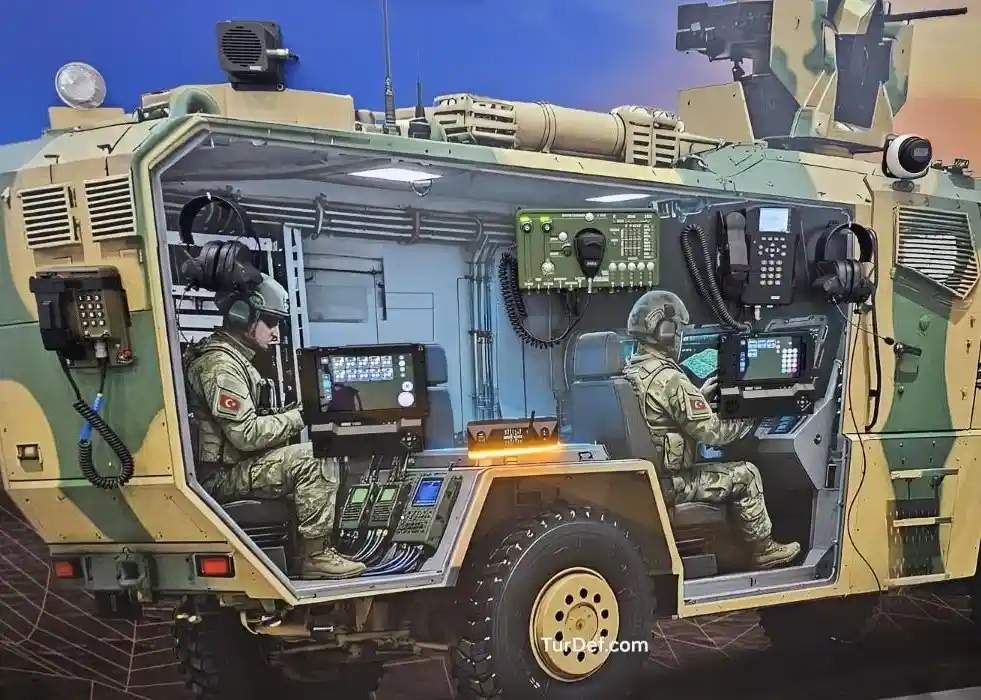
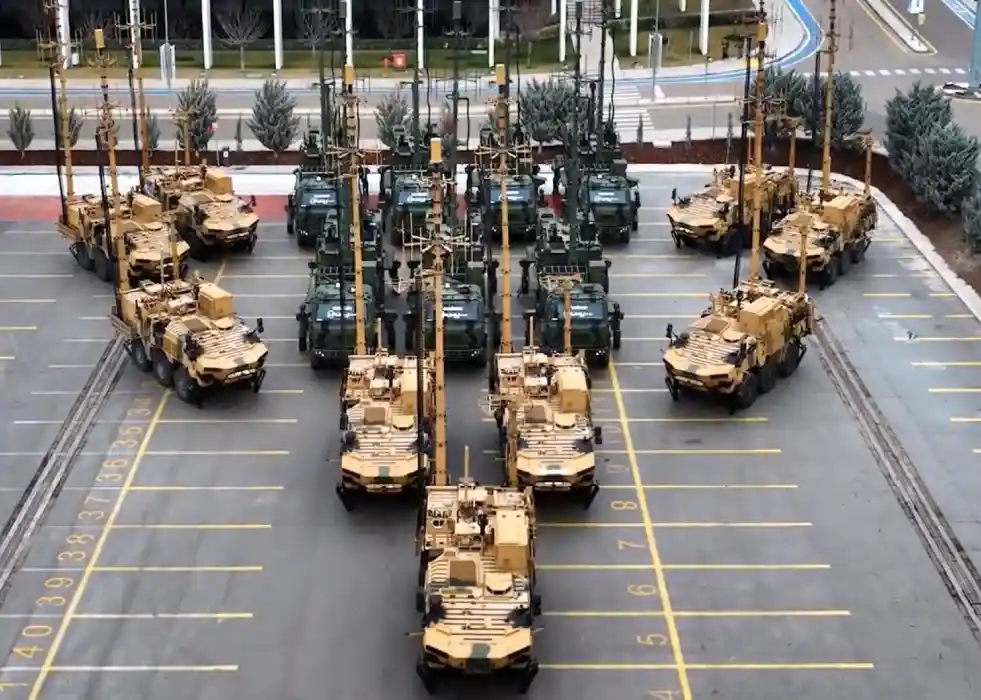
According to the Finnish Border Guard, the programme aims to establish a nationwide capability to counter unmanned aerial threats across both land and maritime borders. Instead of procuring a standalone counter-drone system, Finland is developing a distributed architecture linking patrol boats, border patrol vehicles, surveillance sensors and command centres through a common digital network. Initial system evaluations are scheduled for 2027, with operational deployment expected to begin in 2028.
The consortium also illustrates how modern defence programmes are increasingly organised around specialist expertise rather than relying solely on a traditional prime contractor. Saab will develop the patrol vehicle solution, Marine Alutech the maritime platform, 61N Solutions the software integration layer, while Nokia will provide the secure communications network connecting the entire system.
For Nokia, the programme represents another step in the company's expanding defence portfolio. Although the company has long supplied secure communications technologies for governments, public safety organisations and military users, recent programmes indicate that it is becoming a more visible participant in Europe's evolving defence ecosystem, where secure networking, software integration and digital infrastructure are increasingly integral to operational military capability.
The Finnish programme demonstrates how Europe's changing security environment is reshaping not only defence budgets but also the industrial ecosystem behind them, drawing communications, software and digital infrastructure companies ever closer to the operational core of modern military capability.
Author: Özgür Ekşi