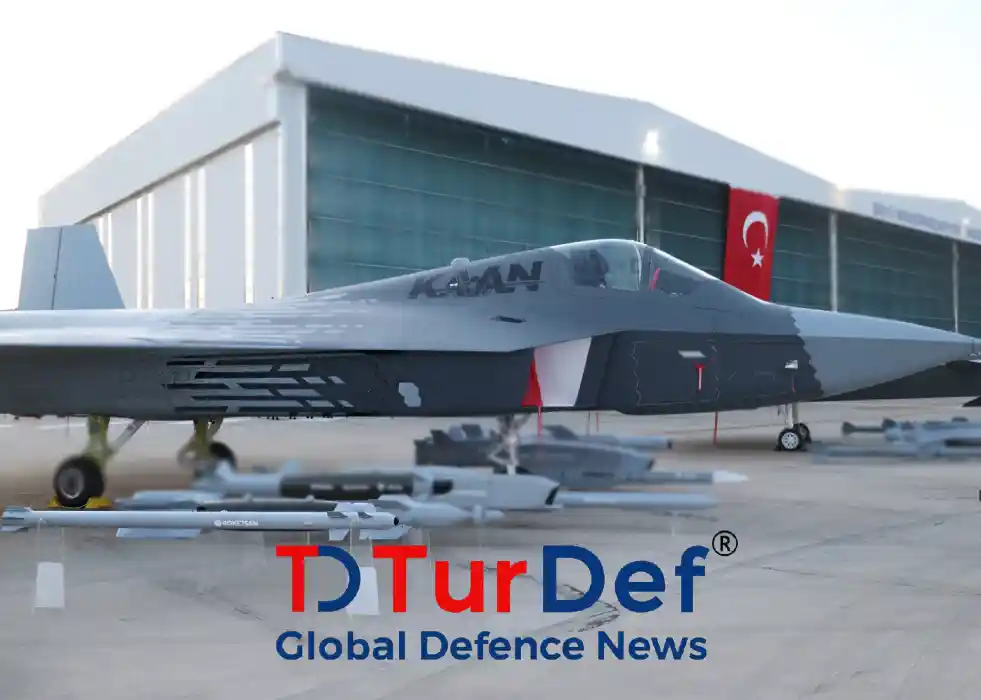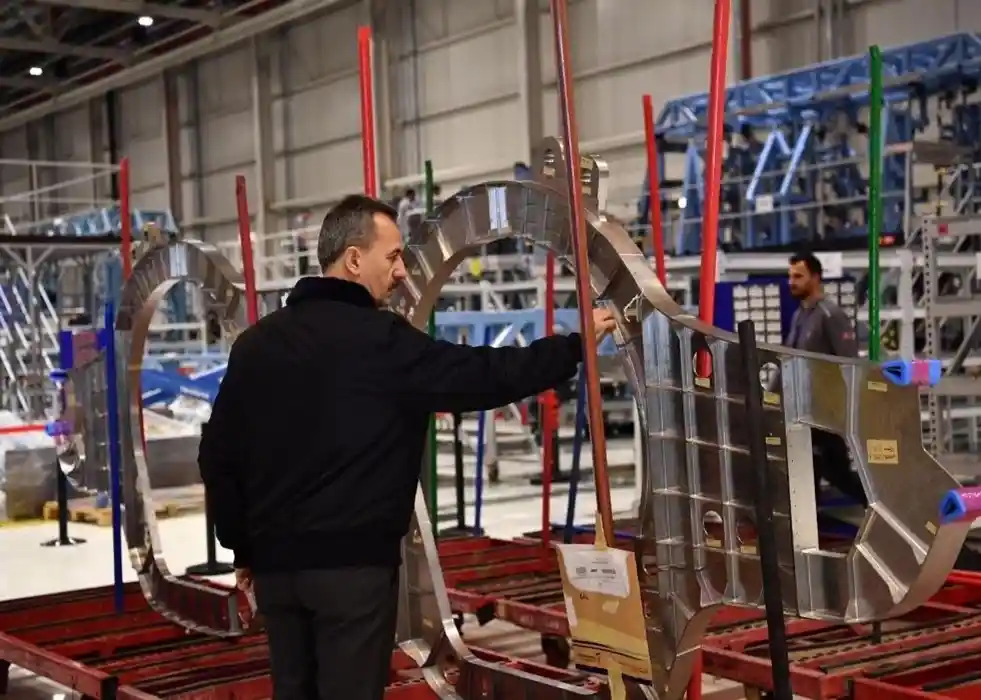
Professor Haluk Görgün, the Secretary of Defence Industries, announced during his visit to the TUSAŞ facilities that the second prototype of the Turkish Fighter Jet KAAN is set to make its maiden flight by the end of 2025. The second prototype will include important external changes, including overall size management.
Professor Görgün shared the following on social media, “KAAN, a significant endeavour within our national defence sector, is set to soar with its latest prototypes. The assembly of over 2,000 domestically manufactured components is progressing swiftly at the TUSAŞ facilities. We analysed the production and assembly processes for the second prototype, scheduled to make its inaugural flight by the end of 2025. KAAN signifies more than just an aircraft; it reflects our nation’s determination, the dedication of our engineers, and our vision for a completely independent Turkiye.
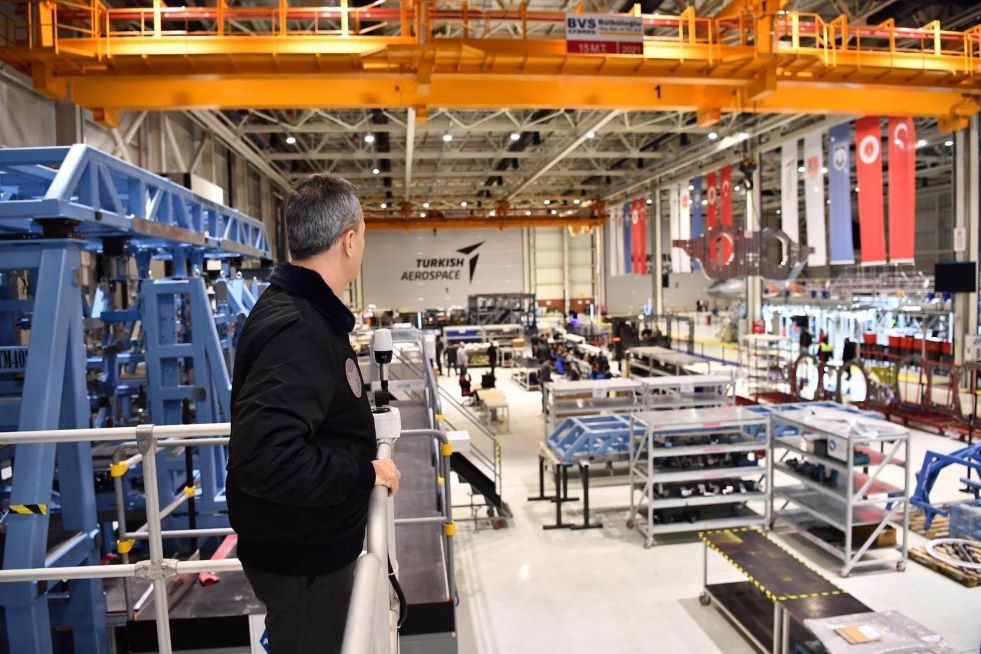
Production activities for KAAN, crafted with the features of a fifth-generation fighter jet, began in March 2022.
Component assemblies were completed from May to November 2022, with the final assembly line becoming operational in November 2022. After system tests carried out in December 2022 and January 2023, the aircraft was rolled out ahead of schedule on 10 February 2023, with its first engine run occurring on 12 February 2023. On 17 March 2023, initial low-speed taxi tests were conducted successfully.
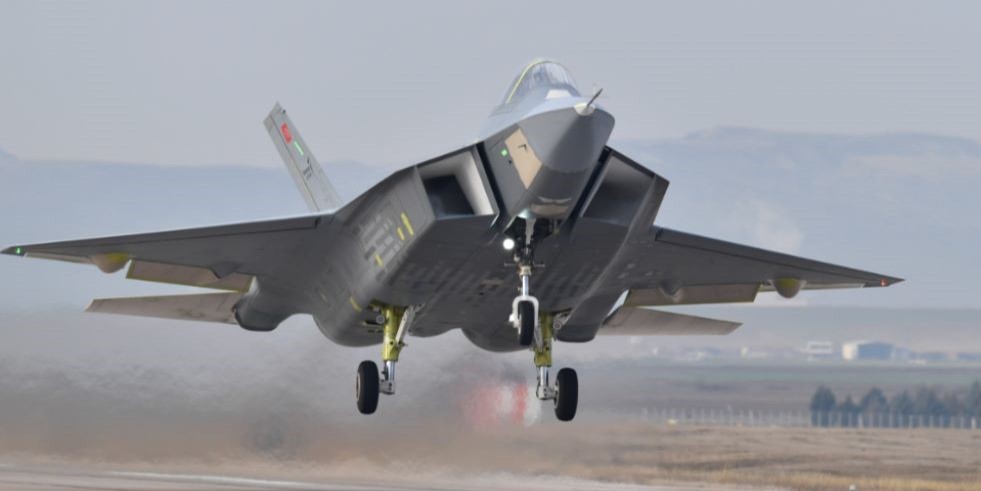
After being disassembled following the ground tests, the aircraft was reassembled for flight within approximately nine months. KAAN performed its maiden flight on 21 February 2024.
Secretary Görgün’s description of KAAN as “one of the largest projects of our national defence industry” reflects the significant investments and testing efforts involved. According to the Defence Industry Agency’s 2024–2028 Defence Industry Sectoral Strategy Document, several new testing and evaluation infrastructures will be established for the National Combat Aircraft project in addition to those already operational:
- Electromagnetic compatibility in a fully anechoic environment,
- Large-scale structural strength and fatigue test facilities,
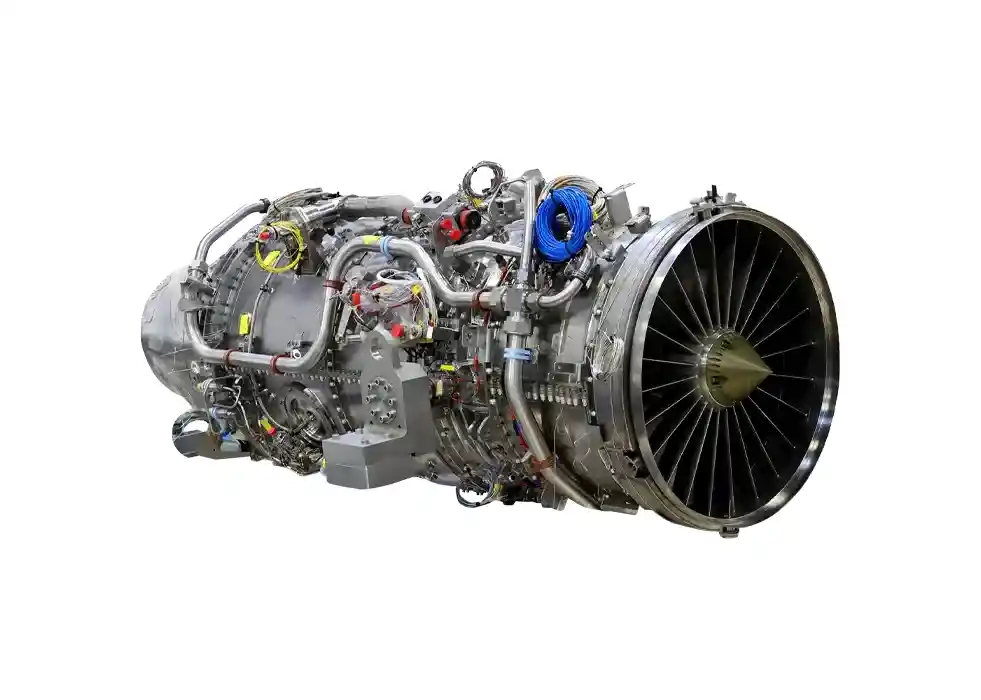
- Engine/APU integration and qualification test setups,
- Hydraulic, fuel, electrical, pneumatic, and avionics integration and qualification test setups,
- Lightning strike safety testing,
- Climate system design and integration laboratories,
- Near-field radar cross-section measurement,
- Development test centres for indigenous components (e.g., avionics computers, helmets, generators, pumps, landing gear, hooks, gearboxes, oxygen/nitrogen systems, etc.).
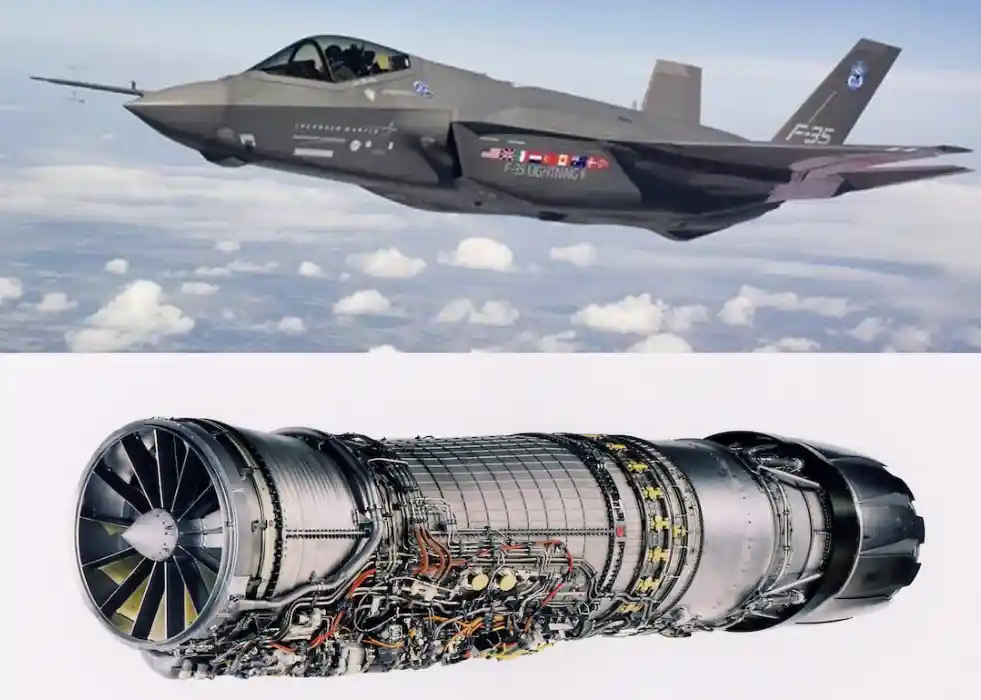
These testing facilities will enhance the aircraft by addressing potential weaknesses. For instance, lightning testing will evaluate the composite structure and internal systems, including cabling, for their reaction to strikes. Additionally, stored fuel must be nitrogenated to prevent ignition during a lightning strike. This process removes the flammable characteristics of the fuel, which must then be re-oxygenated before reaching the engine. A similar system in Lockheed Martin’s F-35 aircraft experienced stability issues, leading to temporary flight restrictions.