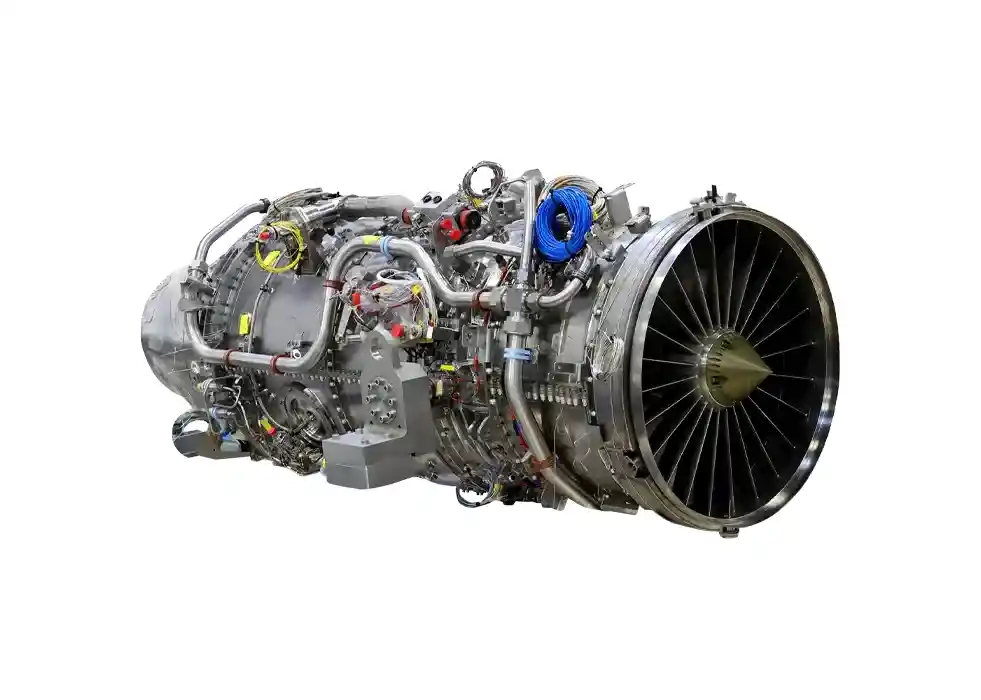
HÜRKUŞ II, which performed its maiden flight towards the end of 2024, features improvements and associated changes in specifications.
The design changes focus on weight reduction and streamlining, bringing a more mature trainer for the Turkish Air Force service and potential customers.
The weight, which the TUSAŞ officials focused on in statements regarding HÜRKUŞ II before the maiden flight, has seen a noticeable decrease. This is seen as a change in MTOW from 3750 kg to 3300 kg, meaning a %12 decrease, which is significant according to aircraft design standards.
The fuselage width was reduced from 1.01 m to 0.96 m, contributing to the weight reduction and reducing drag.
Regarding drag reduction, wing and tail sections modifications also contributed to this case.
The lower weight resulted in a slightly lower maximum speed (From 574 km/h to 533 km/h) due to the drag force being affected by the speed by a larger magnitude than the drag coefficient, despite the reductions in the latter.
The service ceiling is also higher at 12040 m, compared to the previous 10577 m. This is an important change for the future armed version for which an agreement was signed between TUSAŞ and SSB, as the aircraft can keep a longer distance from the enemy.
Weight is an important parameter for trainers regarding acceleration, ease of landing, and a more forgiving sink rate during banked turns. With its weight, HÜRKUŞ-II is in the lower regime of MTOW compared to its counterparts like KT-1 (which also serves in the Turkish Air Force), T-6, and PC-21.
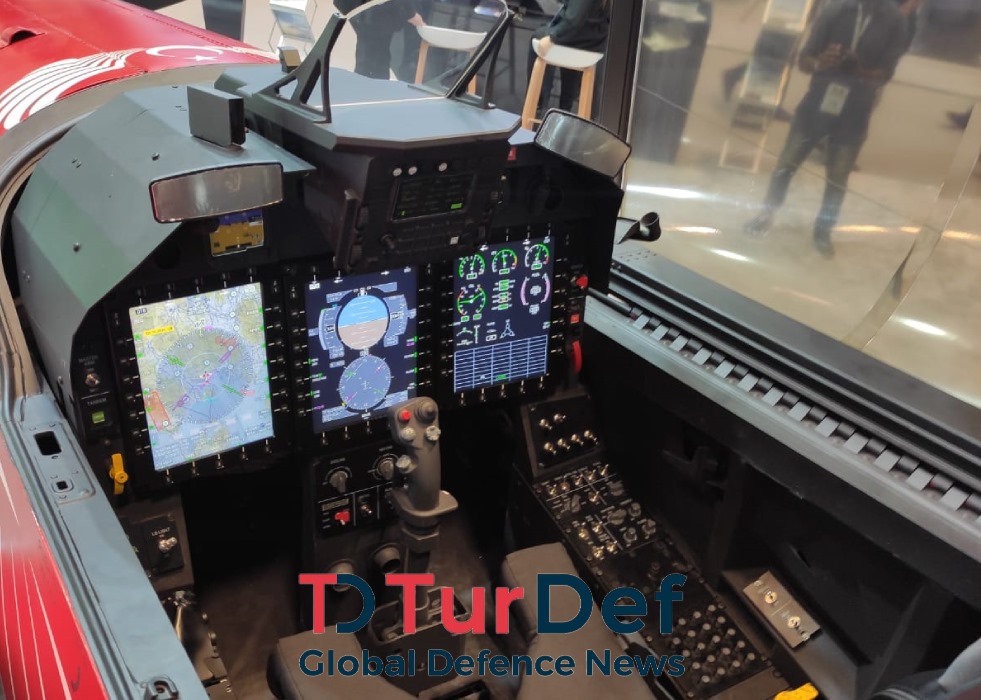
Besides the numerical changes, HÜRKUŞ II’s pilot interface has improved with a redesigned cockpit. Cluttering elements in the cockpit have been removed for a more organised layout. This is important as a trainer, especially when used in basic training, and it should have a user-friendly interface.