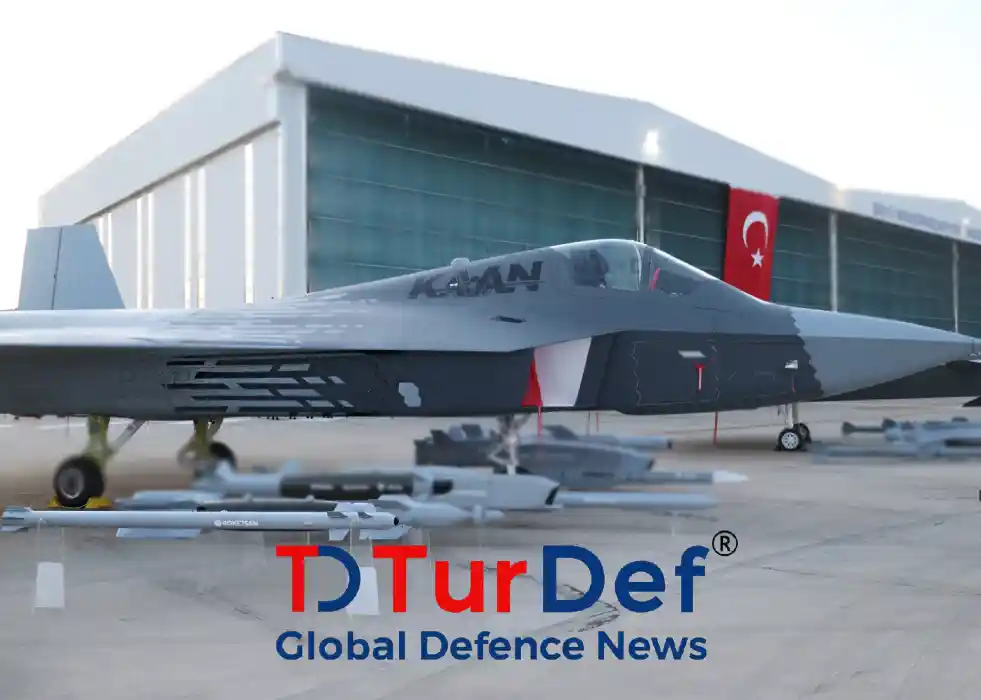
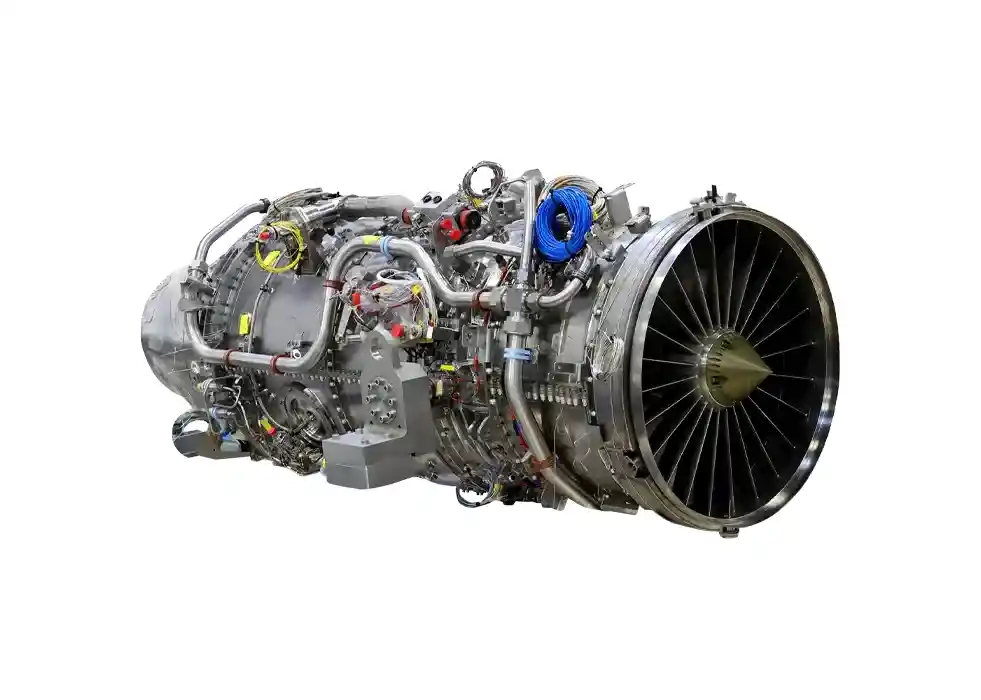
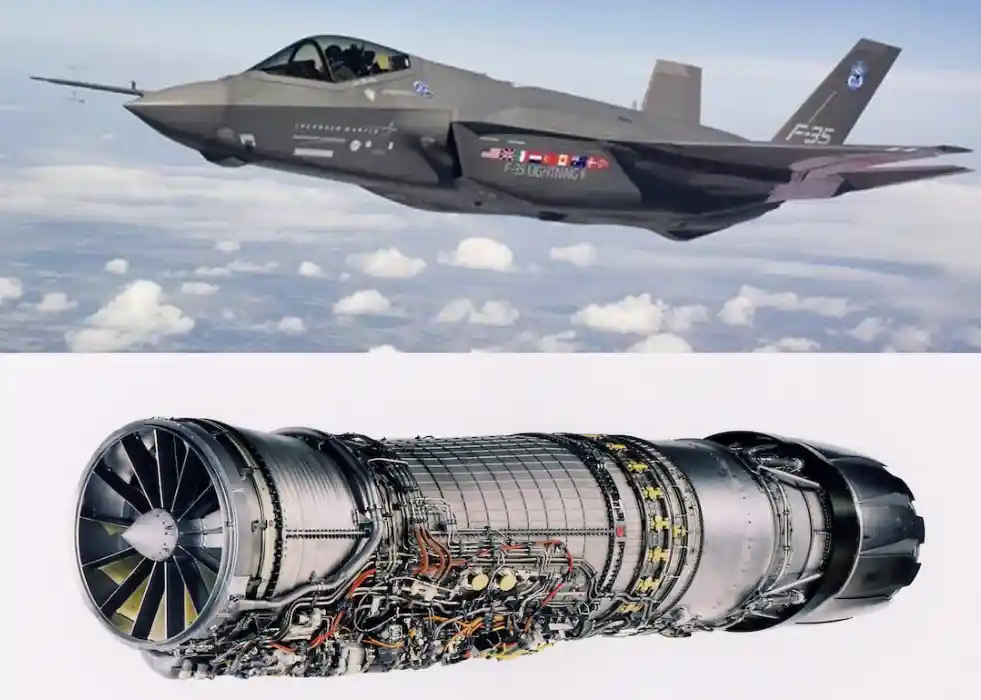
TUSAŞ CEO Mehmet Demiroğlu underlines the new intake geometry as the KAAN stealth jet heads into intensified testing with three aircraft and a ground prototype.
Turkish Aerospace (TUSAŞ) has unveiled new details on the KAAN fifth-generation fighter programme, signalling progress in stealth capability and prototype readiness. Speaking at TEKNOFEST in the Turkish Republic of Northern Cyprus, TUSAŞ CEO Mehmet Demiroğlu provided a comprehensive update on Türkiye’s national air platforms.
More prototypes and a tighter testing schedule
Demiroğlu announced that two additional KAAN prototypes are currently under assembly, with one slated for completion by the end of 2025 and the second in early 2026. These new aircraft will join the original flying prototype and a ground-based unit for a high-tempo flight testing campaign next year.
“We have committed to delivering KAAN to the Turkish Air Force by the end of 2028,” Demiroğlu said. “We are pushing forward with everything we have to honour that timeline.”

The first prototype, which has already completed its maiden flight and afterburner tests, is expected to fly again before October, depending on ongoing test data and team evaluations.
Revised air intakes point to stealth breakthrough
One of the most notable changes involves redesigning KAAN’s air intake geometry. While Demiroğlu stated that the aircraft’s dimensions remain the same, the internal configuration and weight distribution have been updated.
“There might be differences in the air intakes… but it is still KAAN,” he said.
TurDef notes that this remark suggests a critical development in the aircraft’s radar cross-section (RCS) management. Among the most difficult aspects of stealth design are air intakes, which have to protect the engine's whirling compressor blades—a key source of radar reflection—without sacrificing airflow. A well-shaped S-duct helps preserve engine performance while deflecting radar radiation.

ANKA III, Supersonic UAVs and integrated systems
Demiroğlu also outlined key developments in TUSAŞ’s unmanned platforms.
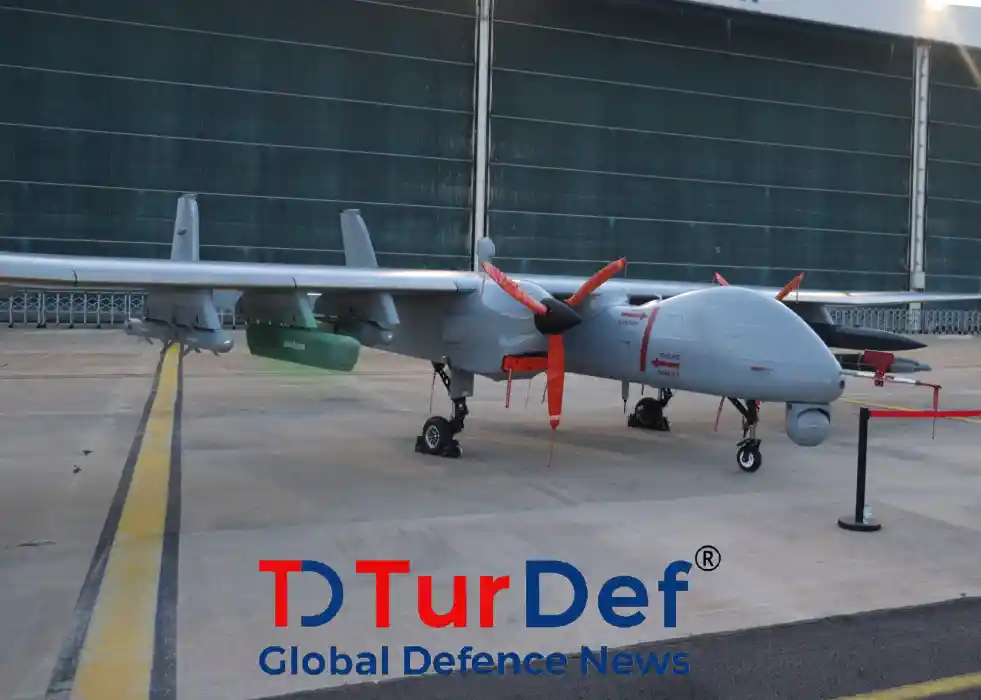
He said deliveries are scheduled for 2026, and ANKA III, the company’s flying-wing stealth UCAV, is commencing serial production. Ongoing flight testing will help the aircraft’s combat efficacy by equipping it with an AESA radar, like KIZILELMA and Hürjet.
In parallel, SÜPER ŞİMŞEK, a high-speed autonomous drone designed for saturation attacks or decoy roles, has also entered serial production. Deliveries are expected to begin shortly.
Crucially, Demiroğlu noted that KAAN, ANKA III and SÜPER ŞİMŞEK are being developed with interoperability in mind.
“They consolidate one another, significantly extending your engagement range,” he said, referring to the combined operational impact of these systems.
Author : Özgür Ekşi