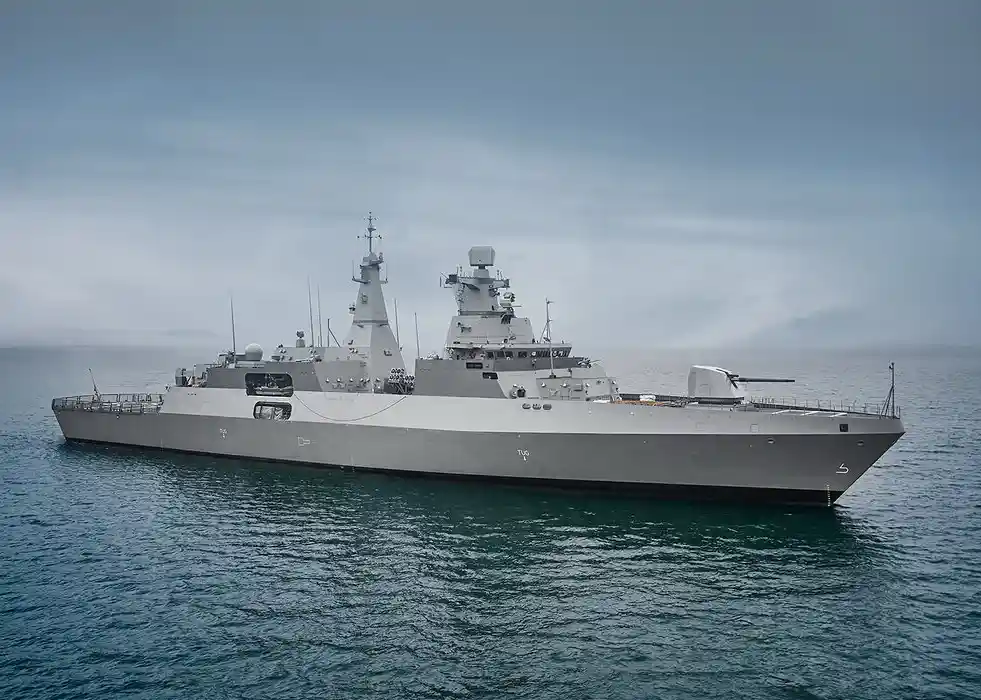
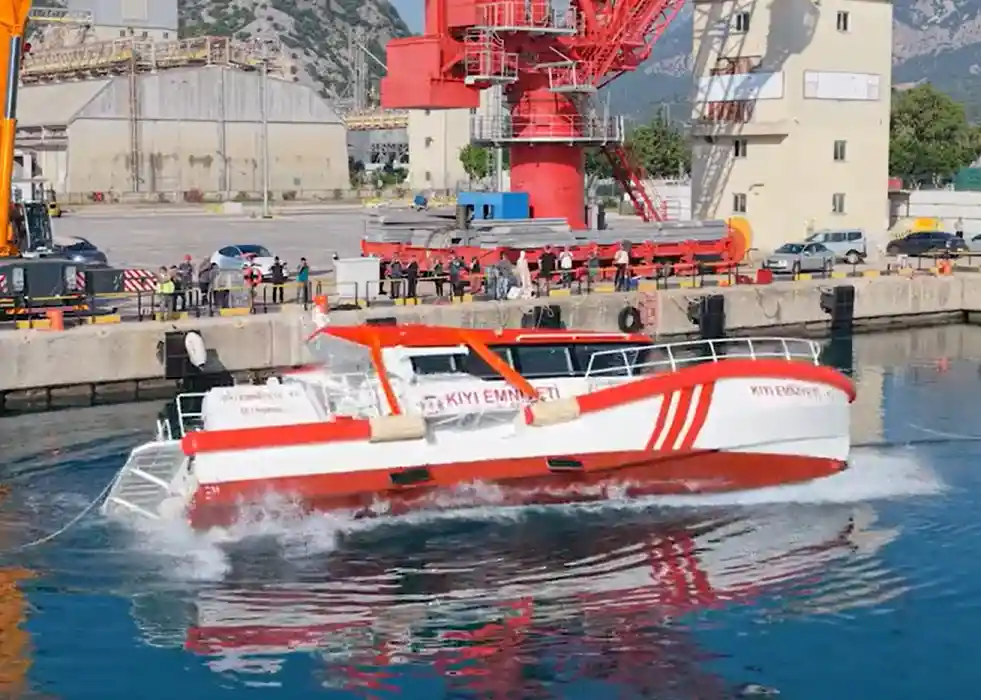
At Istanbul Shipyard Command, a wide-ranging naval ceremony marked the induction, flag-raising and construction milestones of several surface and sub-surface platforms for the Turkish Navy and partner countries. The event, attended by President Recep Tayyip Erdoğan, brought together senior military leadership, defence officials and foreign naval representatives, highlighting the scale reached by Türkiye’s naval shipbuilding and export programmes.
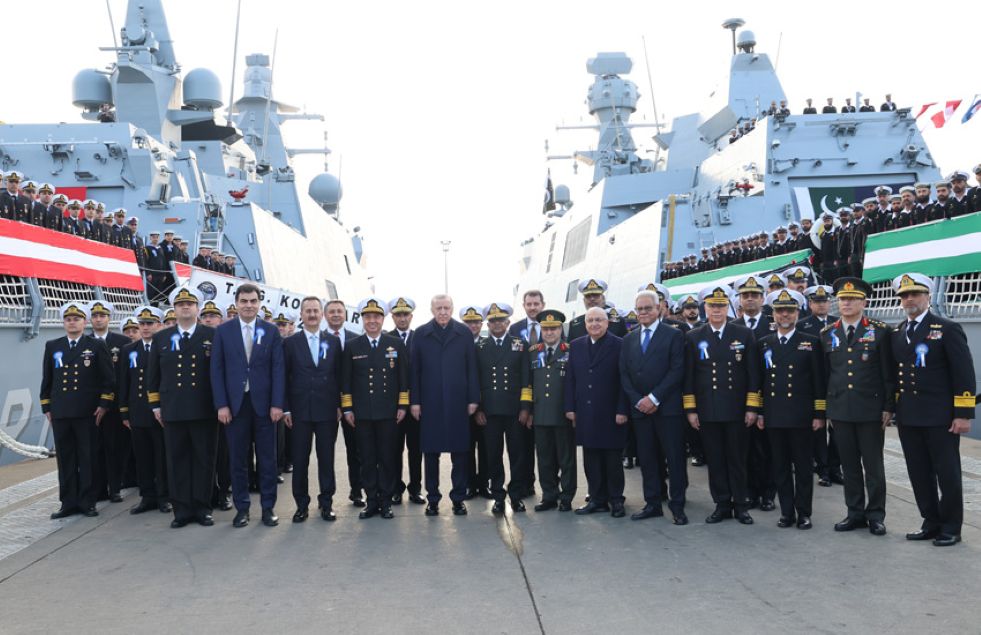
During the ceremony, three platforms officially entered service with the Turkish Navy: the TCG Hızırreis submarine, the Ç-159 landing ship and the ULAQ unmanned surface vehicle. In parallel, export deliveries for Pakistan were formalised, while construction activity continued for offshore patrol vessels intended for both national use and foreign customers.
Speaking at the event, President Erdoğan described the platforms entering service as the product of sustained industrial effort, technical expertise and institutional continuity. He emphasised that the ceremony reflected not only platform deliveries but also the maturity reached by domestic shipyards, design authorities and supply chains operating across the naval domain.
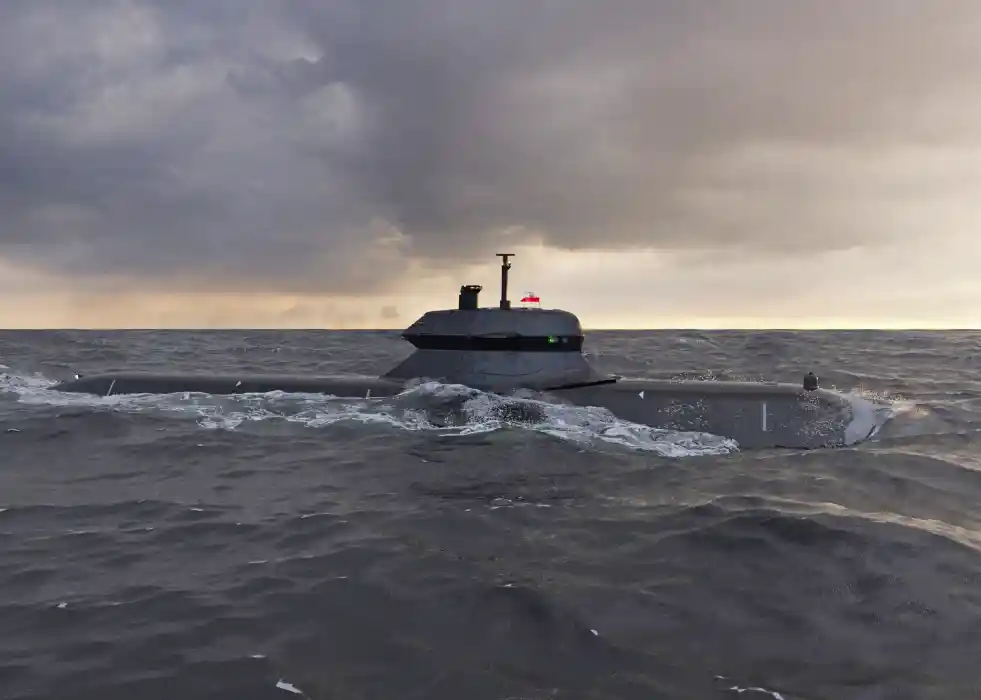
The centrepiece of the induction was TCG Hızırreis, the latest unit of the Reis-class submarines. Erdoğan underlined that the submarine is equipped with an air-independent propulsion system and advanced sonar capabilities, enabling prolonged submerged operations with reduced acoustic signature. He stated that the platform would significantly strengthen undersea deterrence and situational awareness, describing it as a national asset designed to operate silently in contested maritime environments.
Another platform entering service was the Ç-159 new-type landing ship. Erdoğan noted that the vessel was designed with a dual operational focus, enabling participation in amphibious military operations while also supporting humanitarian assistance and disaster-relief missions during peacetime. Its ability to operate in rough sea conditions was highlighted as a key design feature, reflecting operational lessons drawn from recent regional crises.
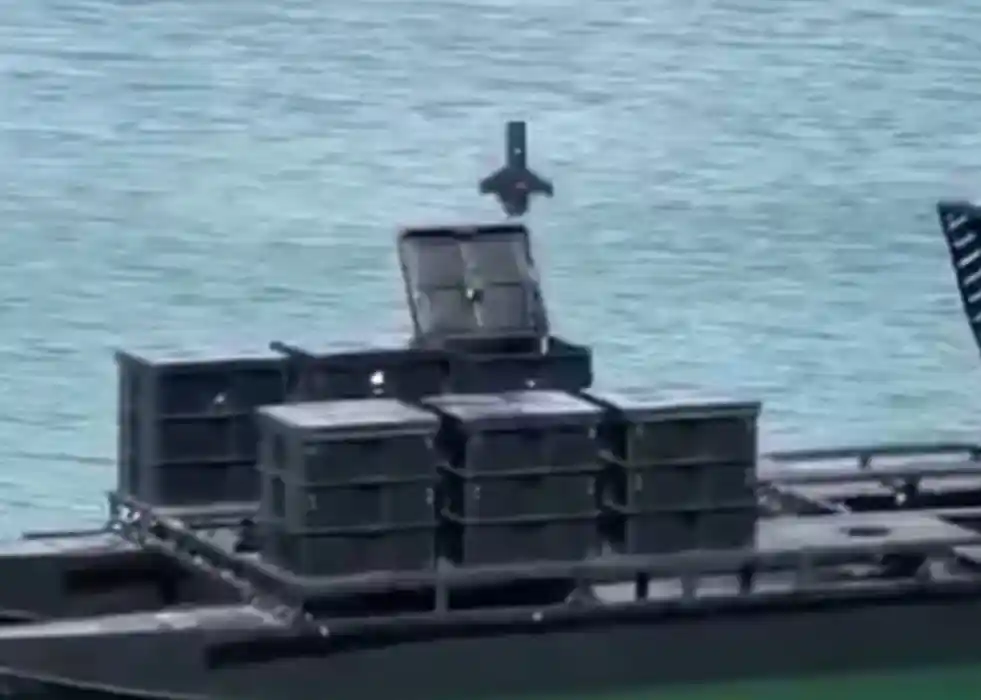
The ULAQ armed unmanned surface vehicle was also formally inducted. Erdoğan characterised ULAQ as a symbol of the digital transformation of naval warfare, pointing to its autonomous operating concepts and artificial intelligence-supported mission systems. He added that the platform uses a domestically developed marine engine with a localisation rate of approximately 90 percent, underlining Türkiye’s emphasis on indigenous propulsion and control technologies in unmanned systems.
In addition to platforms entering service, Erdoğan provided updates on ongoing and upcoming naval programmes. He confirmed that the offshore patrol vessel TCG Koçhisar is scheduled to join the Turkish Navy at the end of May, stating that the ship will serve both routine maritime security missions and deterrence roles during periods of crisis. During the same ceremony, the first steel cutting was carried out for TCG Seferihisar, the seventh vessel under the Ministry of National Defence’s Offshore Patrol and Patrol Vessel Project.
Export activity formed a major component of the event. Erdoğan recalled that a contract for four MİLGEM corvettes was signed with Pakistan in September 2018. Following the delivery of PNS Babur in May 2024, the second ship, PNS Khaibar, was formally handed over after completing all testing and acceptance activities. Erdoğan confirmed that the third and fourth ships are being constructed at Karachi Shipyard under a transfer-of-technology framework, with deliveries planned for mid-2026 and early 2027 respectively.
While earlier official statements had indicated that the offshore patrol vessel Akhisar, built for Turkish Navy and sold to Romania, would also be transferred during the same period, the ceremony itself did not include a separate handover event for that ship.
Beyond individual platforms, Erdoğan shared updated defence export figures, stating that Türkiye currently ranks as the world’s 11th largest defence exporter. Defence and aerospace exports have exceeded USD 8.6 billion as of the date of the ceremony, with a stated target of USD 11 billion by 2028. Erdoğan reiterated the objective of entering the global top ten, noting the role of more than 3,500 defence companies and over 100,000 personnel across the sector.
Looking further ahead, Erdoğan announced that construction processes have begun for a new aircraft carrier project. He stated that the planned vessel, with a length of approximately 300 metres, is intended to complement and exceed the capabilities of TCG Anadolu, signalling Türkiye’s ambition to expand naval aviation and blue-water operational reach.
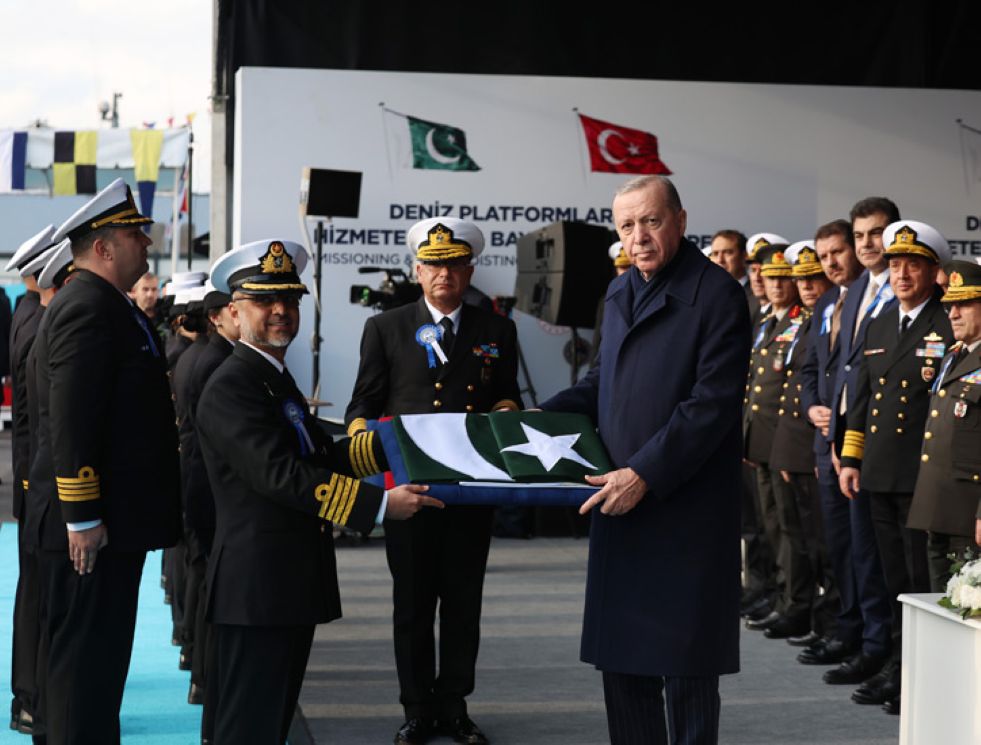
The ceremony concluded with the presentation of service entry documents to ship commanders and addresses by senior naval and defence officials. Collectively, the event illustrated Türkiye’s parallel focus on fleet renewal, export continuity and long-term naval capability development.
Author: Özgür Ekşi