The Philippines will not pursue new military agreements with Israel according to Defence Secretary Gilberto Teodoro. This change may steer the country toward various options including Turkish ones.
Philippine Defence Secretary Gilberto ("Gibo") Teodoro said on September 16, 2025, that the government will not sign any new military deals with Israel. However, current contracts will remain intact. The news comes at a very important moment for the Armed Forces of the Philippines Modernisation Program (AFPMP), which runs from 2018 to 2022 and from 2023 to 2028.
During Horizon 2, Israel sold Spike anti-tank missiles, Elbit equipment armoured vehicles, and air-surveillance equipment to the Philippines. These were all very essential for improving the Philippine Army and Air Force.
The third Horizon program aimed to establish advanced air-defence networks and precision-guided munitions and unmanned systems. The current freeze on new contracts prevents these expectations from being met.
The decision made by Manila stems from both supply chain worries and diplomatic relations between countries which developed because of the Gaza war. The Philippines uses international criticism of Israel's military actions to prove its dedication to human rights at home and abroad. The Philippines' decision to maintain its stance on the South China Sea dispute will probably create better relations and enhance regional cooperation between Indonesia and Malaysia and other Muslim-majority ASEAN states.
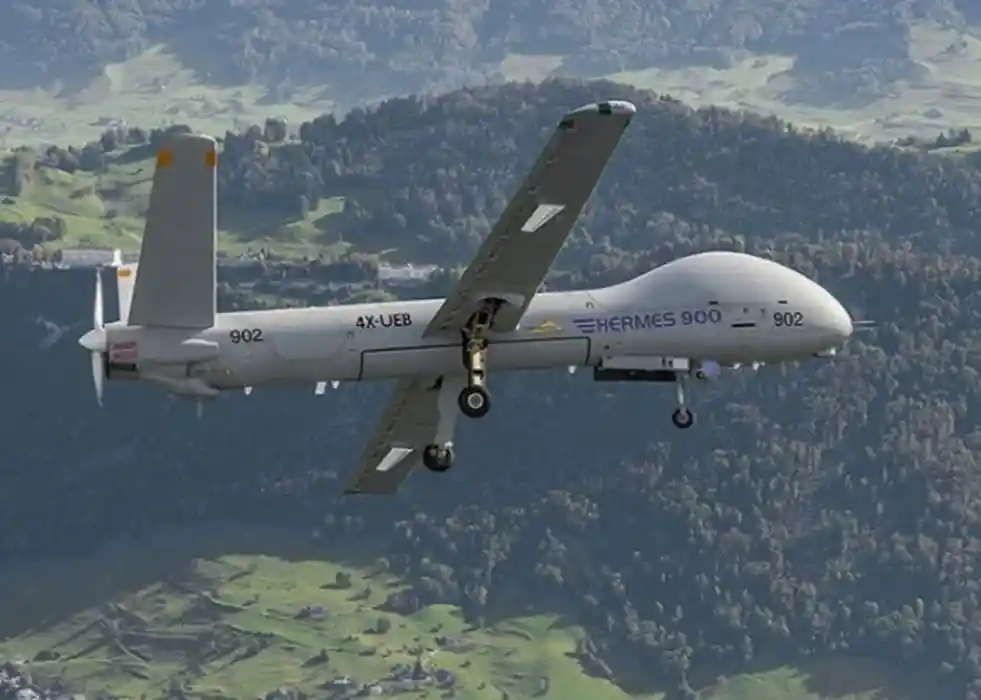
The failure represents a major blow to Israel's ten-year initiative to establish itself in Southeast Asian defence markets. Tel Aviv had treated the Philippines as a key gateway, establishing a track record with Spike missiles, Hermes UAVs and Elbit armoured systems. A halt to fresh contracts threatens its marketing leverage and could ripple across reference projects in Vietnam, Thailand and Singapore.
As Manila looks beyond Israel, alternative suppliers will compete for the gap:
United States: HIMARS rocket systems, Patriot and NASAMS air-defence batteries, M142 and M777 artillery offer strong logistics and security guarantees.
The Republic of Korea serves as a major supplier through its delivery of K9 Thunder howitzers and FA-50 light attack aircraft and additional procurement seems probable.
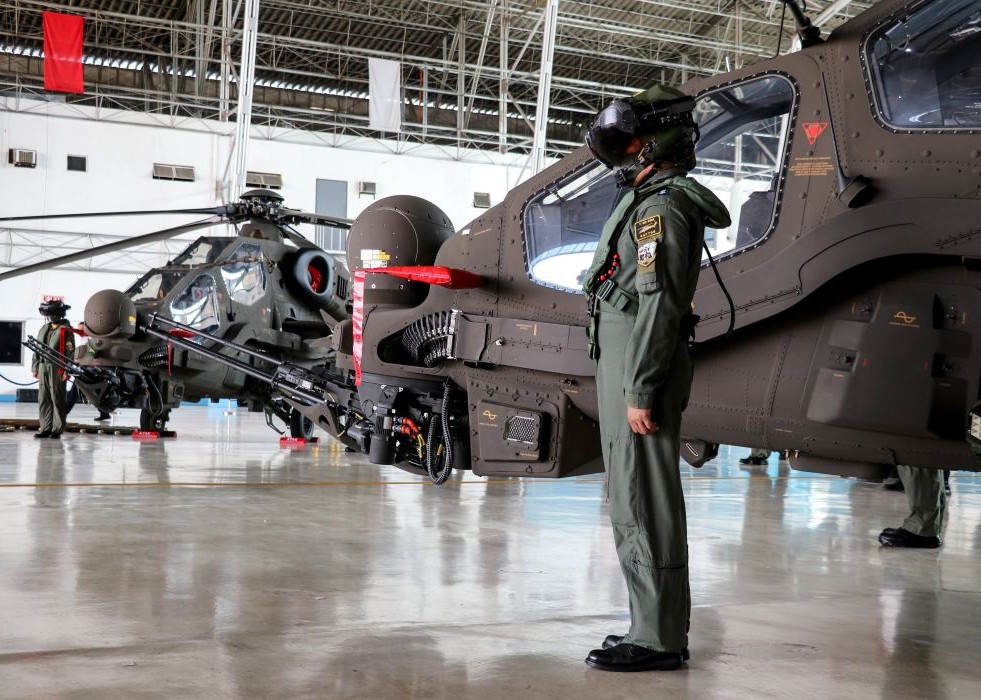
The new global environment gives Türkiye an opportunity to boost its position in the world. The Philippines received its first six T129 ATAK attack helicopters which established Turkiye as a reliable defence equipment supplier. Considering the AFP’s medium-term modernisation needs, Türkiye can offer:
T-122 Sakarya, T-300 Kasırga and TRG-230/300 precision-guided rocket systems, comparable in range and accuracy to US HIMARS.
T-155 Fırtına self-propelled howitzers, compatible with Korean systems and cost-competitive.
As a NATO member with an independent defence supply chain, Türkiye can meet Manila’s diversification goals while remaining compatible with its US alliance. The vacuum created in Horizon 3 could thus translate into concrete export opportunities for Turkish rocket systems and self-propelled artillery systems.
Author: Özgür Ekşi