BAE Systems and US Army test with Scorpio-XR show guided 155mm rounds out-range Excalibur, offering deeper, lower-risk precision fires and extending division-level artillery reach.
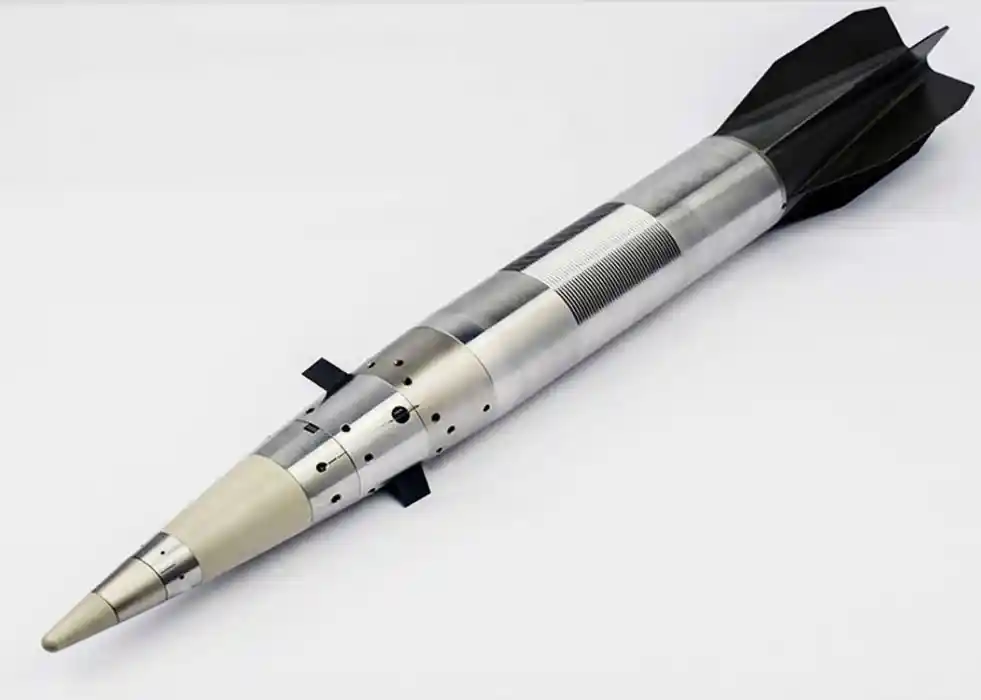
BAE Systems and the US Army have test-fired the Scorpio-XR extended-range 155mm projectile, a manoeuvrable, cannon-launched round that demonstrably pushes artillery beyond the distances achievable with current precision munitions such as Excalibur. Multiple firings from 155mm howitzers exceeded test objectives, striking designated targets at ranges that validate the munition’s guidance and terminal effects while confirming compatibility with widely used 52-calibre systems.
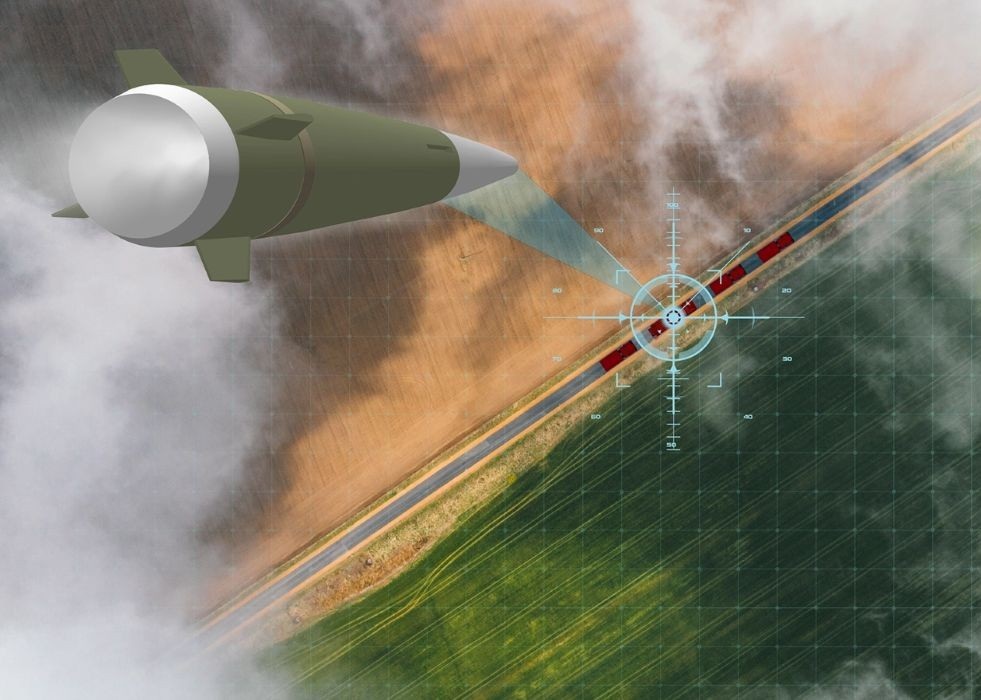
Designated XM1155-SC in earlier developmental phases, Scorpio-XR is being marketed as a game-changer for division-level fires: it can travel beyond 70 kilometres and sustain precision against fixed and moving targets in contested environments. That range places it past the practical envelope of existing Excalibur increments in common use — a development that signals not simply longer reach but a doctrinal shift in how commanders might plan standoff fires, risk management and force posture.
The tests demonstrated the projectile’s ability to integrate with a range of barrel lengths (previous trials include successful engagements from 39- to 58-calibre systems). BAE Systems emphasised the round’s manoeuvrability and guidance performance; Army and company statements highlight Scorpio-XR’s potential to close the capability gap between conventional artillery and longer-range precision missile systems, while preserving the cost and logistical advantages of gun-launched munitions.
Scorpio-XR sits within a broader US Army effort to revitalise tube artillery under the Extended Range Cannon Artillery (ERCA) initiative. ERCA aims to give conventional artillery the capacity to strike deeper, with higher precision and reduced exposure for firing units. The Scorpio-XR contract — part of a $72.5-million award to extend R&D on advanced precision-guided artillery — reflects that strategic priority and the Army’s appetite for munitions that can be fielded without wholesale platform replacement.
For operational planners the implications are tangible. A same -calibre precision projectile that halves flight time relative to legacy rounds reduces target dwell time and exposure to counter-battery fire. Greater stand-off implies that manoeuvre units may change the battlefield from a safer distance. At the same time, the push for precision shows that we need not only range but also discriminating lethality that minimises collateral damage.
Scorpio-XR isn't ready yet since it still requires further testing and tweaking to fit in with other systems. But the latest firings suggest that it might become an important component of the long-range missile repertory in the future, working with Excalibur and other new weapons and sensors. If the round lives up to the tests' promises of extended range, compatibility, and accuracy, it will transform how militaries think about how tube artillery should be used in high-intensity, anti-access/area-denial scenarios.
Author: Özgür Ekşi