Serbia cancelled some defence contracts with Russia due to Western sanctions imposed on Moscow. This decision marks a strategic realignment with the West.
The cancellations were confirmed by General Milan Mojsilović, who is the Chief of the General Staff of the Serbian Armed Forces. He cited the difficulties encountered in procuring Russian-made armament, which has been used to supply the Serbian military ever since the Soviet era. Even though Serbia is still able to acquire replacement parts for Soviet and Russian equipment from licensed suppliers all over the world, Mojsilović noted that the acquisition of new systems from Russia has become nearly impossible.
According to what he told Novosti, "We have terminated some contracts and postponed others in the hope that international relations will normalise and allow for their implementation." The strategic reorientation became apparent in August of 2024, when Serbia, a candidate for membership in the European Union, decided to forego its planned procurement of Russian fighter jets, initially considered in 2021. Instead, Belgrade decided to replace its fleet of MiG-29 Fulcrums by acquiring twelve French Rafale fighters for a total price of €2.7 billion.
This decision marked a turning point for Serbia’s air force, necessitating extensive retraining and infrastructure adjustments to support the new aircraft. The geopolitical pressure is palpable despite Serbia maintaining a neutral stance and refraining from imposing direct sanctions on Russia. Neighbouring NATO countries have reportedly restricted diplomatic flights through their airspace, further isolating Serbia from Moscow. Russian officials have acknowledged the pressure on Serbia’s leadership but downplayed the impact, suggesting the cancellations are a symbolic gesture rather than a substantive break.
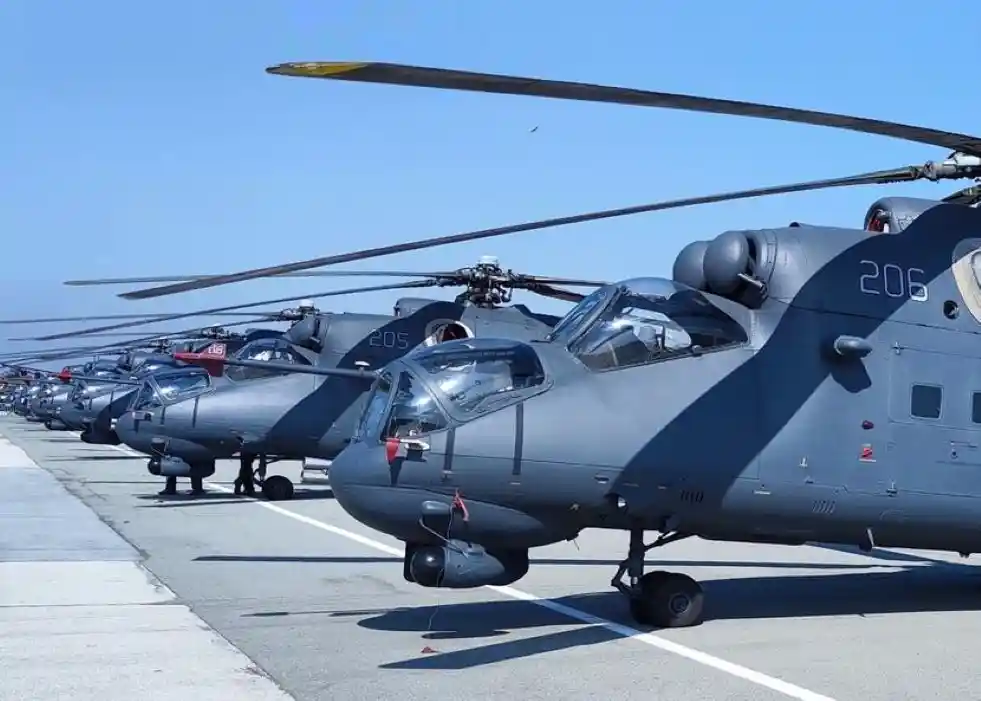
In parallel, Serbia has procured Soviet-era military assets, including BTR-80A armoured personnel carriers from Hungary and Mi-35PN attack helicopters from Greek Cyprus. However, Mojsilović stressed that Serbia focuses on integrating new defence partnerships and reducing dependence on Russia. The shift underscores Serbia’s strategic realignment towards Europe, signalling a departure from decades of Russian military influence in the Western Balkans.