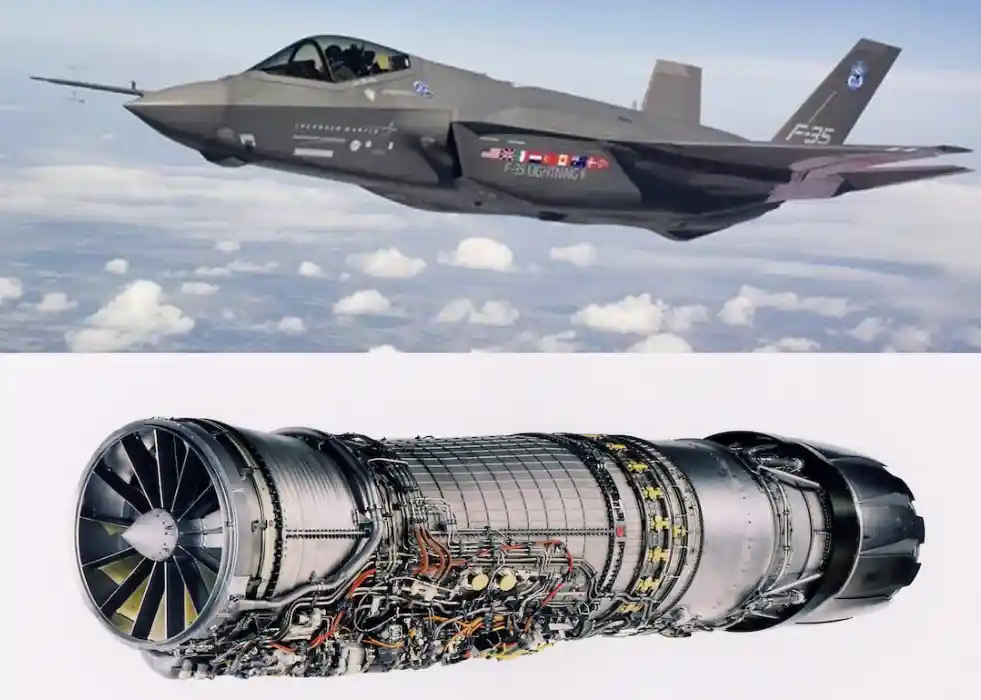
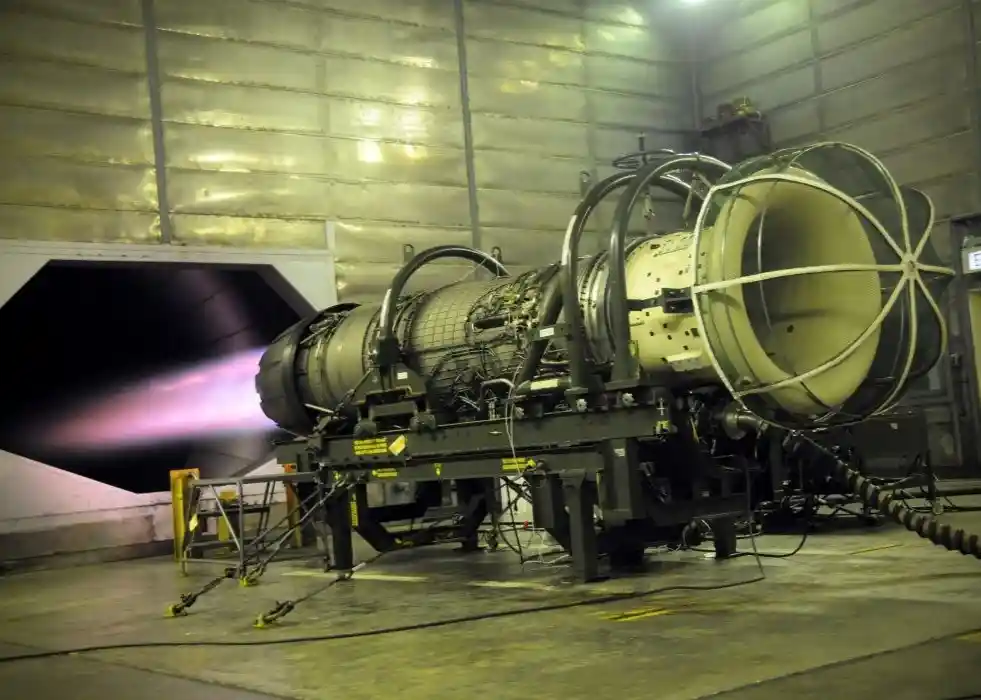
Türkiye’s TF35000 engine, with an update shared at Teknofest in TRNC, is pitched as one of the world’s top three. TurDef compares it with current Western jet engines.
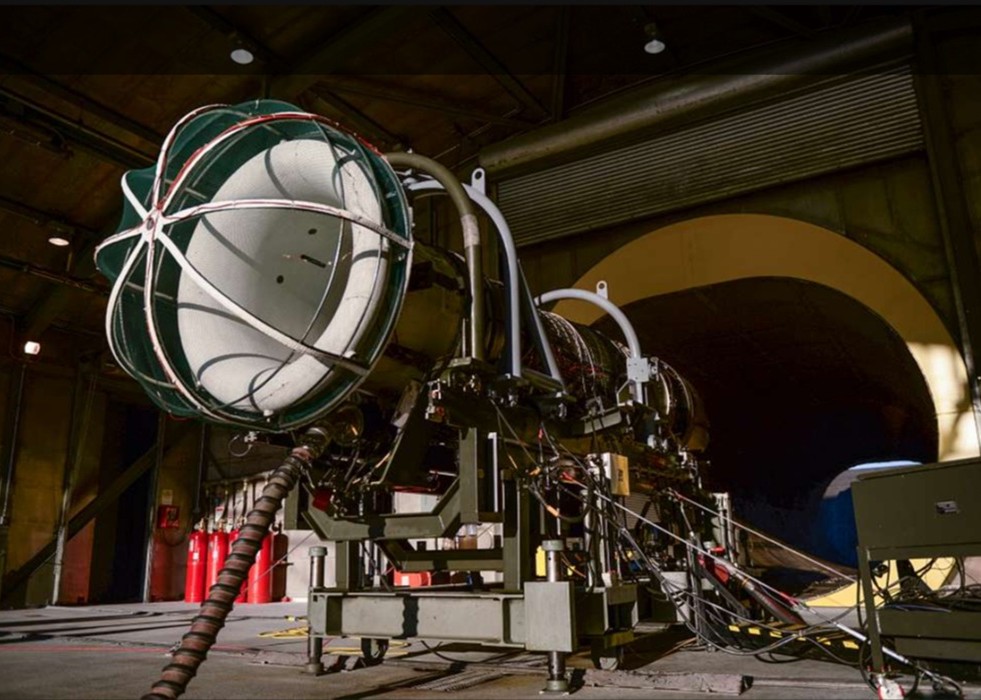
At Teknofest held in the Turkish Republic of Northern Cyprus (TRNC), TUSAŞ Engine Industries (TEI) General Manager Prof. Dr Mahmut Akşit shared a significant update on the development of Türkiye’s fifth-generation fighter jet engine, TF35000. The engine is being developed for the indigenous KAAN platform and is expected to mark a major leap in Türkiye’s propulsion capabilities. Trhaber published the interview.
Akşit stated that TF35000 would become “one of the top three engines in its class worldwide,” underlining that the project is progressing rapidly. While no official performance figures have been released, Akşit stressed that the engine's future is certain and that it will be completed faster than most anticipate. He added, “This is not a question of ‘if’—it’s a matter of time.”
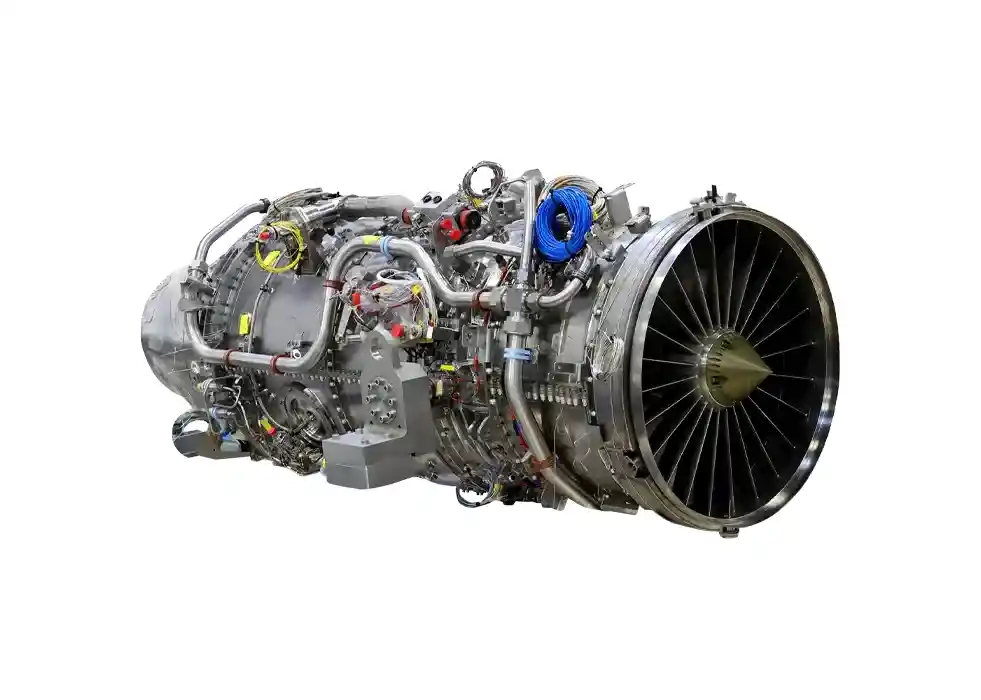
This assertive outlook inevitably invites comparison with engines already powering operational fifth-generation fighters such as the F-22 Raptor and F-35 Lightning II. Yet, while the TF35000 remains in development, those counterparts are fully integrated into combat-proven fleets.

Technical Targets: Raw Thrust Numbers on the Table
Although TEI has not published official specifications, a comparative study by [R] Major General Pilot Beyazıt Karataş and Mechanical Engineer MSc Fazıl Altay provides indicative values. According to their work, each TF35000 engine is expected to deliver:
• Dry thrust (per engine): 22,680 kgf (50,000 lbf)
• Afterburner thrust (per engine): 31,750 kgf (70,000 lbf)
KAAN is a twin-engine platform with a maximum takeoff weight listed at 27,216 kg. If both TF35000 engines reach their afterburner thrust target, the total would be 63,500 kgf. This would imply a theoretical thrust-to-weight ratio exceeding 2.3. It is important to underline that the TF35000 would have largest diameter among its competitors while these numbers represent targeted performance levels and are not the result of completed flight testing or certified trials.
Side-by-Side: TF35000 vs Western Jet Engines
To assess where TF35000 might stand, here’s a comparison with established Western engines:
F-22 Raptor — Pratt & Whitney F119-PW-100 (x2)
• Dry thrust (total): 15,876 kg
• AB thrust (total): 31,751 kg
• Thrust-to-weight (AB): ~0.84
• Status: Operational
F-35A Lightning II — Pratt & Whitney F135-PW-100
• Dry thrust: 12,700 kg
• AB thrust: 19,500 kg
• Thrust-to-weight (AB): ~0.65
• Status: Operational
Eurofighter Typhoon — EuroJet EJ200 (x2)
• AB thrust (total): ~18,000 kg
• Dry weight (total): ~2,000 kg
• Thrust-to-weight (AB): ~1.2
• Status: Operational
Dassault Rafale — Safran M88 (x2)
• AB thrust (total): 15,000 kg
• Dry weight (total): ~1,800 kg
• Thrust-to-weight (AB): ~1.0
• Status: Operational
TF35000’s targets, if realised, would allow it to outperform even the F135—currently the most powerful jet engine in operational service—in both dry and afterburner thrust.
The Eastern Equation: China and Russia
Prof. Akşit suggested TF35000 would rank among the world’s top three. While Chinese and Russian developments also feature high-thrust engines, these programmes are typically excluded from Western benchmarks due to strategic opacity, low production rates, or unresolved technical challenges.
China – Shenyang WS-15 (J-20)
• AB thrust: ~180 kN
• Dry weight: Unknown
• Thrust-to-weight (AB): Estimated ≥10
• Status: Testing stage; not fully fielded
Russia – Saturn AL-51F1 / Izdeliye 30 (Su-57)
• AB thrust: ~167 kN
• Dry weight: ~1,450 kg
• Thrust-to-weight (AB): ~11.5
• Status: Advanced testing; not yet in serial production
Although the raw power figures from these platforms are striking, they remain difficult to verify. Moreover, their engines’ reliability, service life, and integration with low-observable designs remain in question, especially when compared with Western engine programmes that prioritise total lifecycle maturity.

Expanding Ambitions Beyond TF35000
Alongside the TF35000, TEI is also advancing development of the TF6000 engine, designed for various subsonic and supersonic applications. Its afterburning variant, designated TF10000, offers higher thrust by incorporating an afterburner module onto the same core architecture. The engines are named after the thrust they output. Although smaller than TF35000 in scale, both engines represent Türkiye’s ambition to establish a scalable jet propulsion family, serving not only fighter jets but also advanced UAVs and tactical aircraft.
TF35000’s projected performance metrics position it among the highest-thrust engines globally, rivalling the F135 and F119, and even exceeding them on paper. If achieved, it would mark Türkiye’s entry into an exclusive club of nations with fully indigenous fifth-generation jet engines.
Türkiye’s jet engine aspirations are nonetheless valid, rooted in a strategic intent to end dependency on foreign propulsion systems and to assert indigenous competence. The TF35000 stands as a symbol of this intent—whether it becomes a global benchmark will depend on the tests and timelines yet to come.
Editor’s Note:
The technical specifications for the TF35000 engine, including thrust targets and integration plans with the KAAN platform, are primarily drawn from the joint analysis of [R] Major General Pilot Beyazıt Karataş and Mechanical Engineer MSc Fazıl Altay. Their publicly available comparative table juxtaposes KAAN with F-22 and F-35 platforms. The TF35000 engine remains under development, and the figures referenced are not yet validated through official testing.
Author: Özgür Ekşi