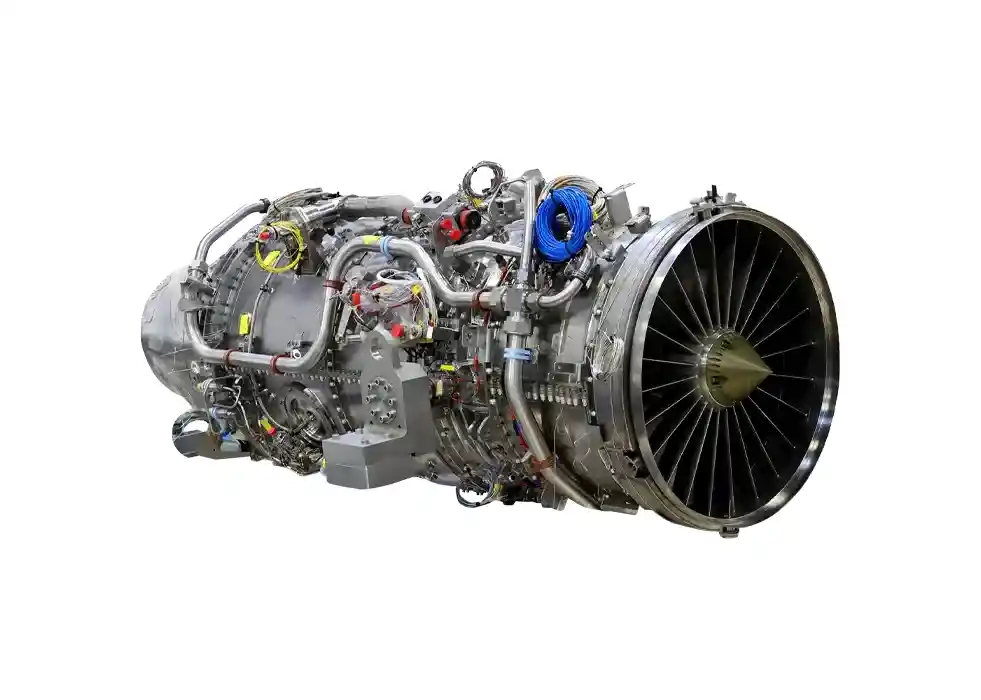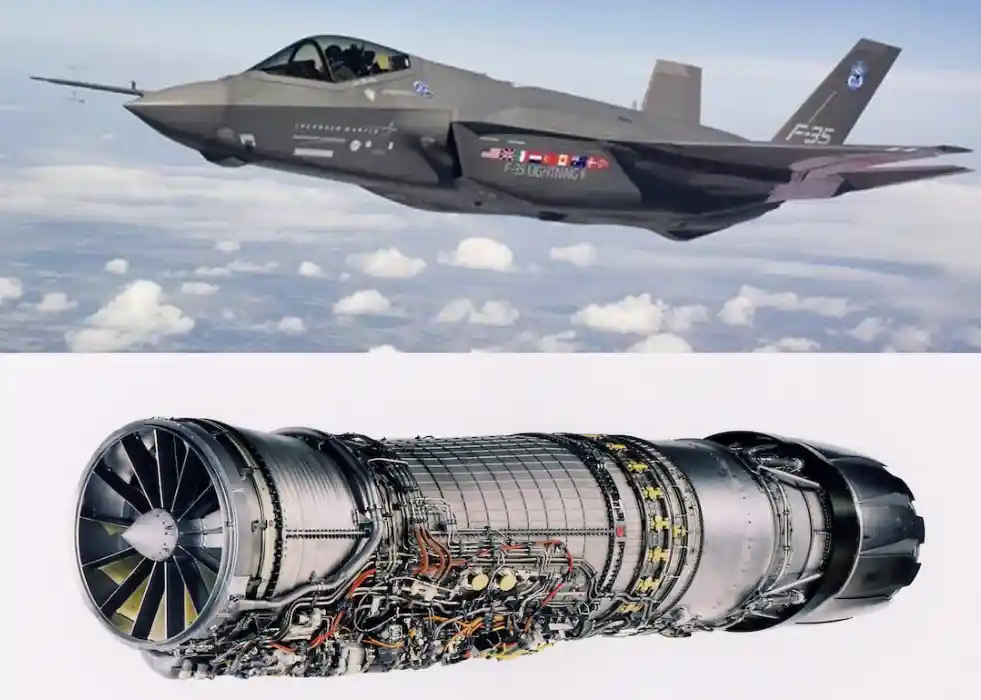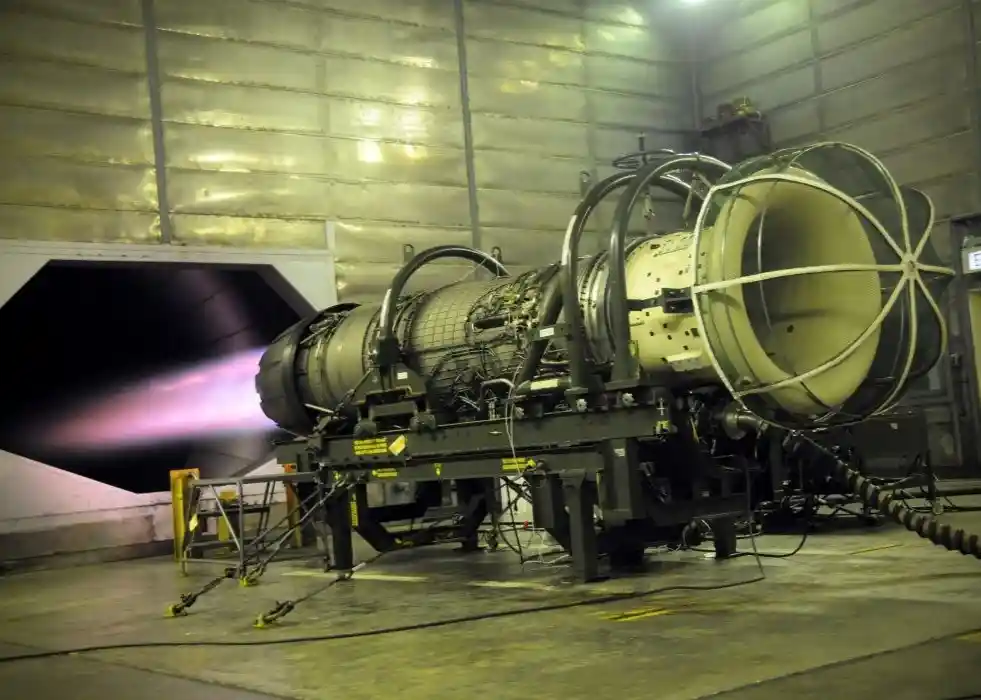
The Trump administration is preparing to move ahead with the sale of more than $700 million worth of GE Aerospace engines for Türkiye’s KAAN fighter programme, Reuters reported on 24 June, in a step that would clear a politically sensitive hurdle ahead of next month’s NATO summit in Ankara. The Washington-sourced Reuters Exclusive, by Humeyra Pamuk and Phil Stewart, cited four sources familiar with the matter.
According to Reuters, the administration plans to formally notify Congress of the sale despite objections raised during the informal review process, as Washington looks to smooth ties with Ankara before the 7–8 July summit. The package would cover engines for Türkiye’s first indigenous combat aircraft programme, turning a sensitive defence-industrial file into an early test of whether Washington is prepared to ease pressure on one of the most politically exposed areas of the bilateral relationship.
For Ankara, the issue goes beyond the engine package itself. KAAN still requires an externally sourced powerplant as it moves from prototype development into a more demanding test and production phase, even as Türkiye pursues a longer-term indigenous engine solution. A US decision to release the engines would not resolve that dependency question, but it would remove a near-term uncertainty hanging over one of Türkiye’s most ambitious aerospace programmes.
Reuters said the move is also tied to summit diplomacy, where President Recep Tayyip Erdoğan and US President Donald Trump are expected to hold bilateral talks. Erdoğan said on Wednesday that such a meeting would most likely take place during the NATO summit, reinforcing the impression that Washington wants at least one contentious defence file to move in a more manageable direction before the two leaders meet.That matters because Turkish-US defence relations remain shaped by the fallout from Türkiye’s removal from the F-35 programme after its acquisition of the Russian S-400 air defence system. Congress has continued to play an unusually visible role in arms sales to Ankara, and Reuters said Representative Gregory Meeks had raised concerns during the informal review stage of the KAAN engine package. The administration’s decision to proceed despite those objections suggests a willingness to compartmentalise at least some disputes in order to preserve a functional defence relationship with Türkiye inside NATO.
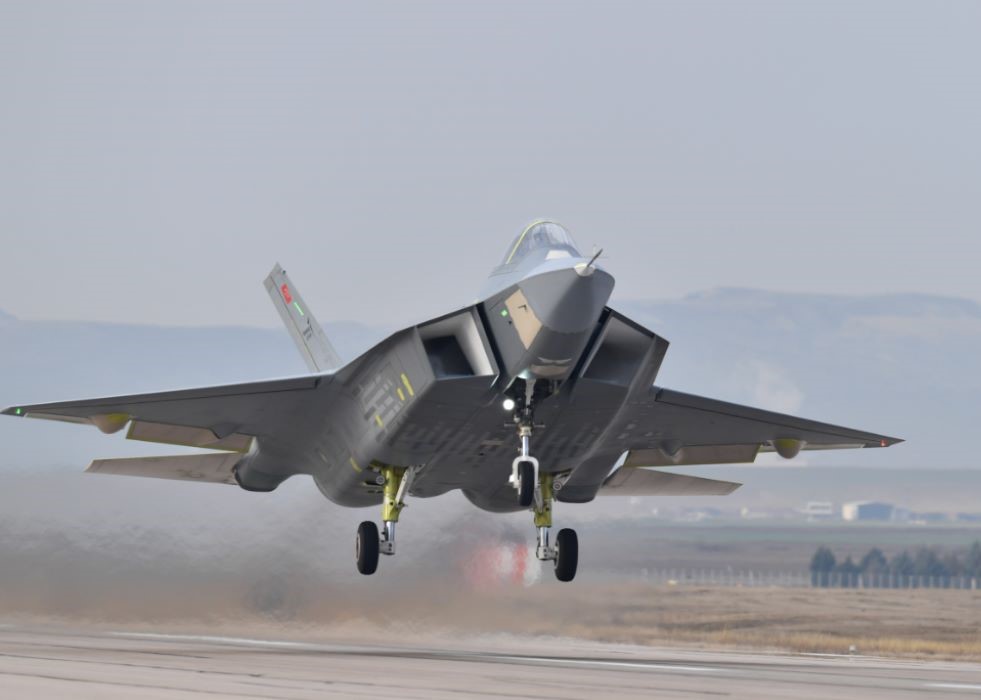
For KAAN itself, the decision matters as much for programme credibility as for hardware supply. The fighter has become a symbol of Türkiye’s effort to build sovereign combat-air capabilities, but credibility now depends on securing a stable path for critical subsystems as testing expands and serial production planning takes shape.
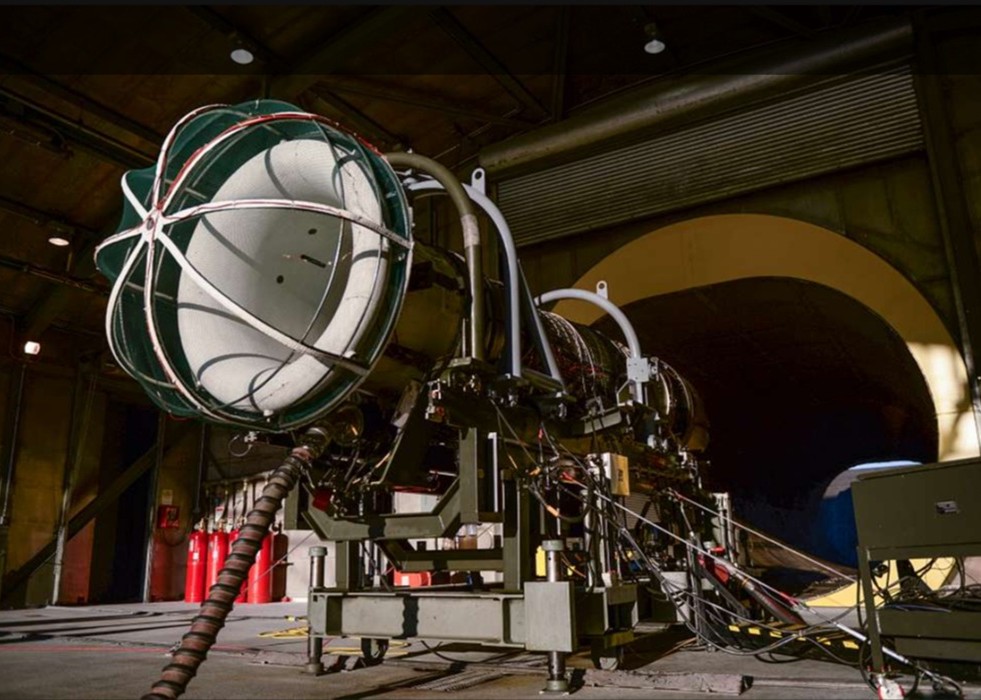
The GE package would also fit into a transition plan that has long been visible on the Turkish side. TEI, the Eskişehir-based engine company in which TUSAŞ is the majority shareholder and GE Aerospace a minority partner, was established in 1985 to support F110 production for the Turkish Air Force’s F-16 fleet. It is now developing the indigenous TF35000 turbofan for later KAAN batches.
While Reuters did not address that programme, the broad outline in Türkiye has been clear for some time. The GE engines are expected to power the prototypes and early production aircraft, while TF35000 is being developed for the Block 30 standard. Reuters said Washington was preparing to approve 80 engines, a quantity widely understood in Türkiye as covering KAAN airframes from the prototype phase through the early blocks before a domestic powerplant becomes available.
What remains unclear is how the 80-engine package would be executed in industrial terms. TEI already has decades of F110 production, assembly, test and depot-level maintenance experience in Eskişehir. Reuters, however, did not specify whether the KAAN engines would be supplied directly from the United States, assembled under licence in Türkiye, or split between the two. TEI and GE Aerospace have expanded their F110 cooperation in recent years, but the report gave no indication of the intended production or assembly route for the KAAN engines themselves.
The prospective sale would also help close an awkward chapter that surfaced last year, when Foreign Minister Hakan Fidan publicly complained that the US-made engines needed for KAAN were effectively being held up in Congress. His remarks drew unusual attention to the extent to which Türkiye’s flagship fighter programme still depended on US approval at a critical stage.
Those comments triggered criticism in Türkiye from opposition figures and commentators who argued that reliance on US engines sat uneasily with the programme’s “indigenous and national” branding and left KAAN vulnerable to political approval processes in Washington. If Congress is formally notified and the sale proceeds, the decision would remove one of the most politically exposed uncertainties facing KAAN and give Ankara a clearer path to keep the fighter on schedule as testing expands.
Author: Özgür Ekşi