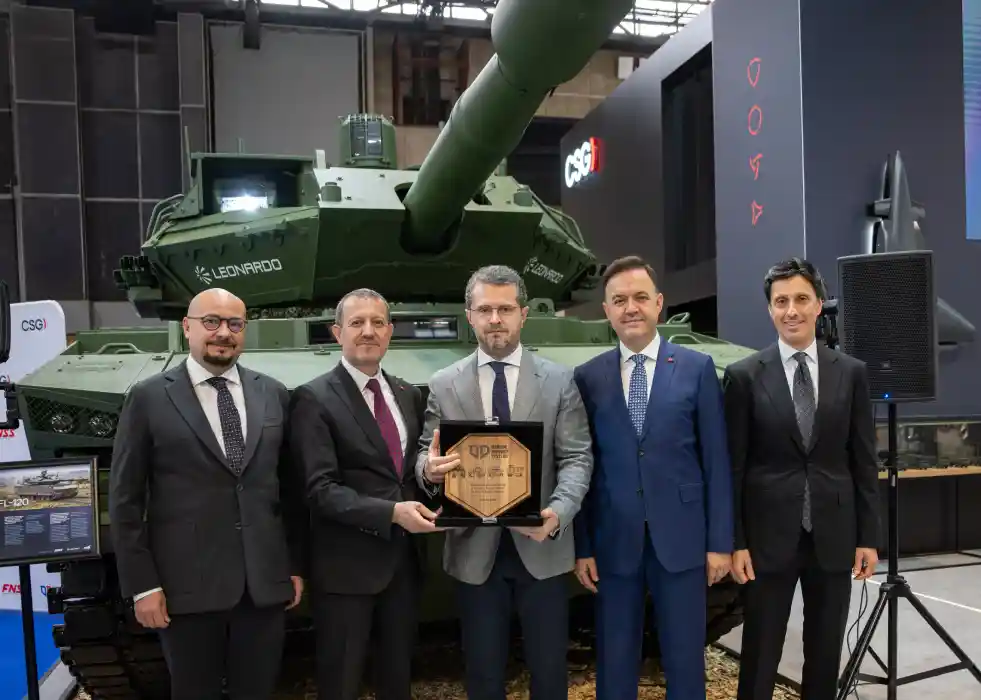
Tera Yatırım Teknoloji Holding (BIST: TERA) announced that it had completed the transfer of shares representing 70 percent of the capital of defence company Best Grup Savunma Sanayi Ticaret A.Ş. on 3 April 2026.
The process began with a Share Purchase Agreement signed on 19 December 2025. Following an application to Türkiye’s Competition Authority, the transaction was not subject to approval after turnover thresholds were raised under a regulatory amendment published in February 2026.
The transaction is not limited to Turkiye. It signals a wider transformation underway in the global defence industry, where financial investors are increasingly entering the sector as development costs rise and technology risks grow.
The ownership structure of defence companies is beginning to change as modern military programmes become more complex and expensive. Historically, many defence firms were founded and expanded by engineers, industrial entrepreneurs or construction-based conglomerates. Today, however, a growing number of companies are attracting investment from financial institutions, private equity funds and technology-focused holdings seeking exposure to the expanding defence technology market.
The shift is largely driven by the cost and risk profile of modern defence programmes. Next-generation fighter aircraft, hypersonic weapons, autonomous systems, space technologies and advanced sensors require years of research and development and billions of dollars in investment. Long development cycles and uncertain export timelines make such programmes difficult to finance solely through traditional industrial capital.
As a result, financial investors are becoming increasingly visible in the sector. In the United States, defence technology company Anduril Industries has raised billions of dollars from venture capital and private equity investors while rapidly expanding its portfolio of autonomous systems, sensors and AI-enabled defence software. Shield AI has followed a similar path, attracting significant investment to develop autonomous flight software for military aircraft.
In Europe, the German defence AI company Helsing has secured hundreds of millions of euros in investment from technology funds, positioning itself as a key developer of artificial intelligence systems for NATO countries. Meanwhile, data analytics firm Palantir has leveraged financial backing to become a major supplier of data and intelligence platforms for defence and security agencies.
Rising defence budgets worldwide are also attracting investors who see the sector as both strategically important and commercially promising. Russia’s invasion of Ukraine, growing tensions in the Indo-Pacific and rapid advances in military technologies have pushed governments to increase defence spending, creating new opportunities for companies developing next-generation capabilities.
This environment has also triggered a wave of defence-technology startups. Companies focusing on artificial intelligence, autonomy, space systems and advanced sensors are attracting venture capital at levels rarely seen in the defence sector before. Many of these firms aim to move faster than traditional defence contractors by leveraging commercial technologies and software-driven innovation.
These examples show that defence technology is increasingly attracting investors as a strategic high-technology sector. Venture capital and private equity funds have particularly targeted companies working in artificial intelligence, autonomy, data processing and sensor technologies. This trend has also accelerated mergers and acquisitions across the defence industry, as investors seek to scale promising technologies into larger defence platforms.
Türkiye is beginning to see early signs of a similar transformation. The Best Grup transaction has drawn attention as one of the first visible cases of financial capital entering the country’s defence sector.
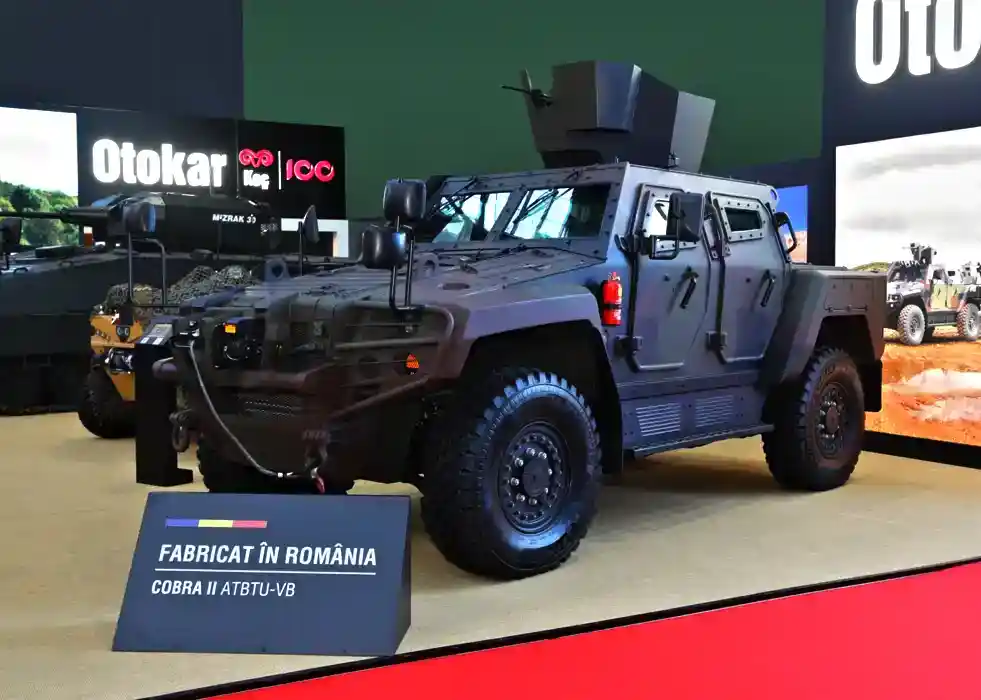
Best Grup has been active in defence and security technologies for many years, specialising in armour solutions for land vehicles, unmanned ground vehicles, remote weapon systems and critical infrastructure protection solutions. The company is also known as one of Türkiye’s early developers of robotic ground platforms designed for both military and security applications.
Such technologies require sustained research and development investment and long-term financial backing. Entry by financial investors can provide companies with the capital needed to expand product portfolios, increase export activity and scale production capacity.
The growing involvement of financial investors also reflects a deeper structural shift in the defence industry. Unlike traditional defence contractors built around long development cycles and government programmes, many emerging companies operate with a startup mindset, developing technologies faster, integrating commercial innovations and targeting global markets from the outset. For investors, defence technology is increasingly seen not only as a strategic sector but also as a long-term growth market.
The growing role of financial capital is therefore reshaping the defence industry’s growth model. As defence programmes grow more complex and capital-intensive, financial investors are likely to play an increasingly important role in shaping the industry’s future. The Best Grup transaction may therefore represent not only a company investment, but also a sign of a broader transformation in how defence innovation is financed.
Author: Özgür Ekşi