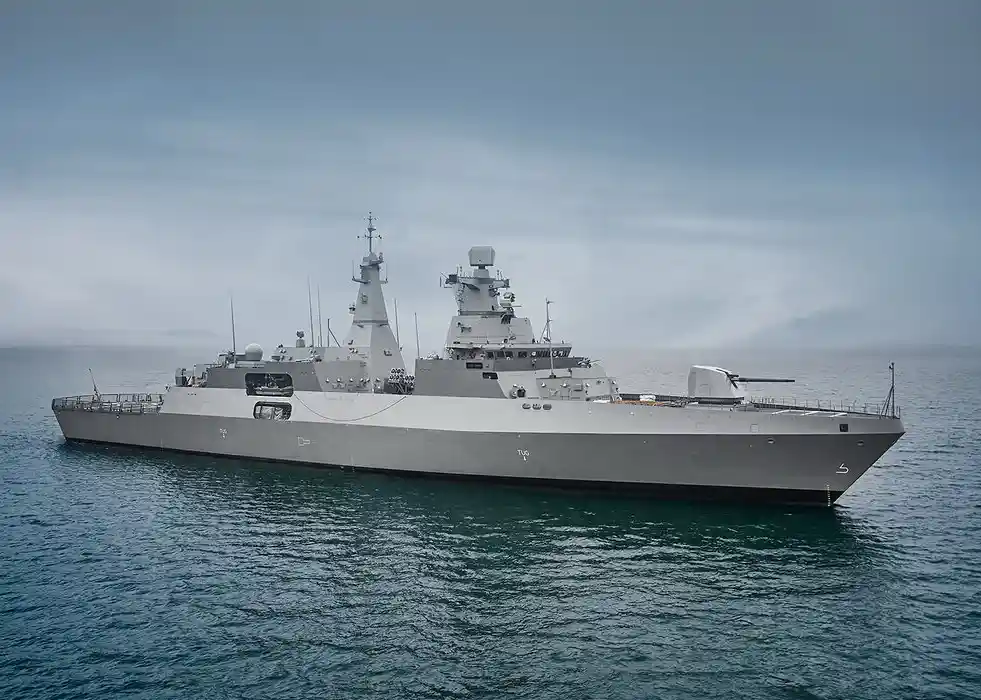
A former Royal Navy captain underlined a decline in the operational readiness of the surface fleet in various areas, like submarines and the support fleet.
Ex-Royal Navy captain Tom Sharpe stated in his article on The Telegraph that various branches of the Royal Navy are experiencing reduced operational readiness in different ways.
For the first issue, Sharpe stated that the lead ship of the Type 45 AAW destroyers, HMS Daring (D32), has been on hold for 3000 days (almost eight years).
On the other hand, the support fleet is not spared from the issue, with only ten ships. In one instance, the Royal Navy had to get help from the support fleet of Norway for its carrier strike group.
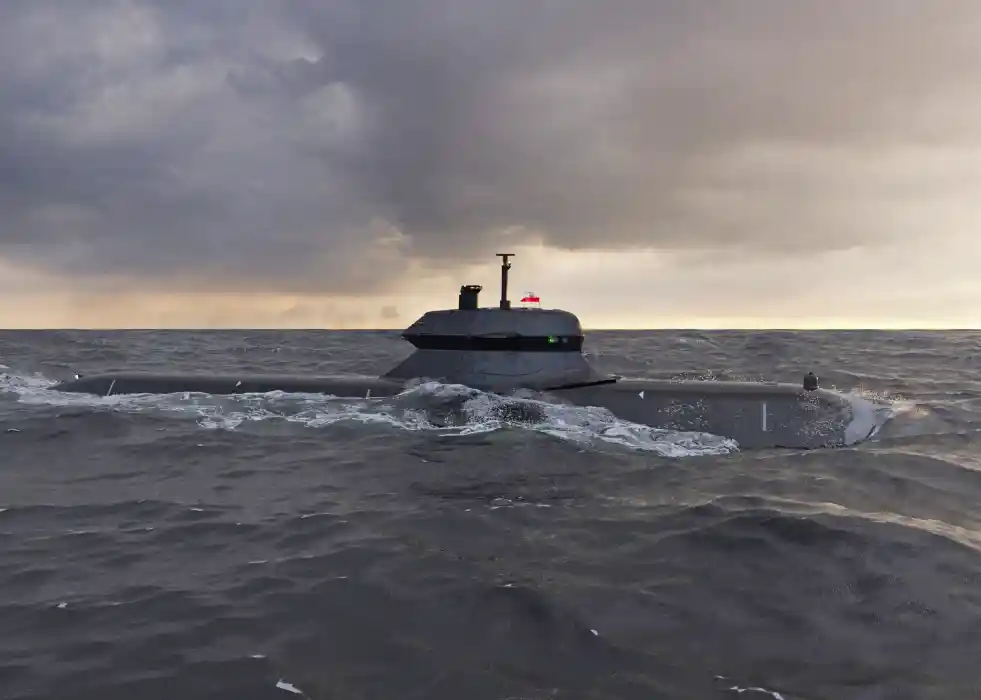
The next and perhaps the most pressing issue, also related to the carrier strike group, is the Astute-class nuclear attack submarines. The submarines armed with UGM-109 Tomahawk LACMs are critical within the carrier strike group as both strike and underwater warfare assets. The problem is that, according to the source, only one is on active duty while another is stationed at home. Five Astute-class submarines are in service according to official sources. While the submarines might not be necessary for low-threat environments, things might change in case of theatres involving NATO adversaries like the Baltic Sea, which has been a scene of disturbing activities from Russia or the Pacific, where China has been following aggressive tactics.
Additionally, the Vanguard-class ballistic missile submarines' (SSBN) increased patrol durations of six months, which surpass what is physiologically and psychologically acceptable as a duration has risen as another problem. Maintenance work pile-up is the reason for this.
Author: Kaan Azman
Editor:Özgür Ekşi