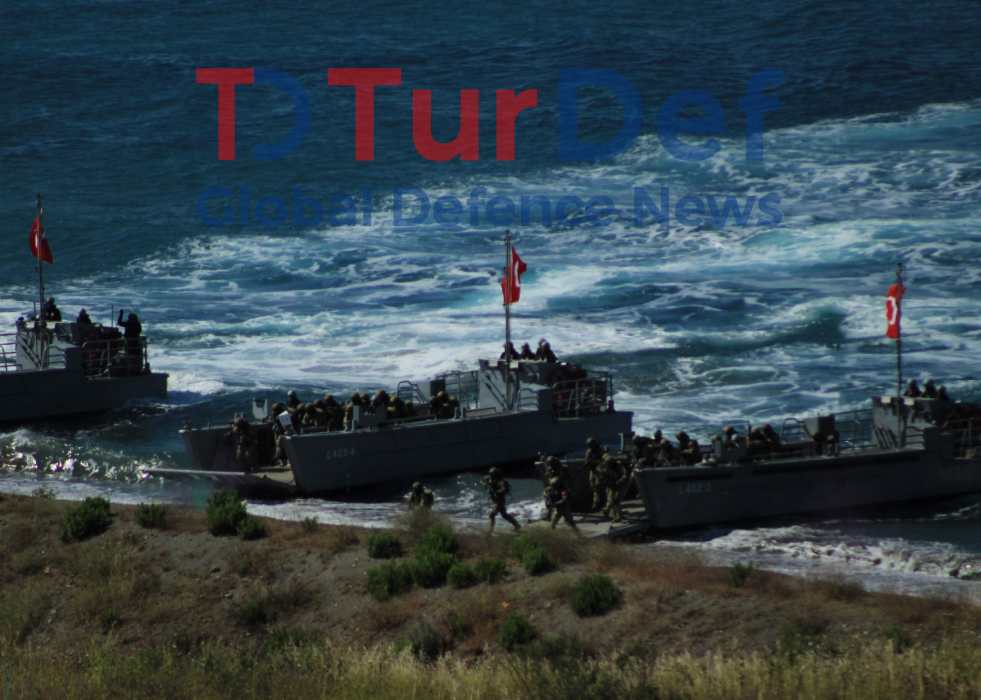
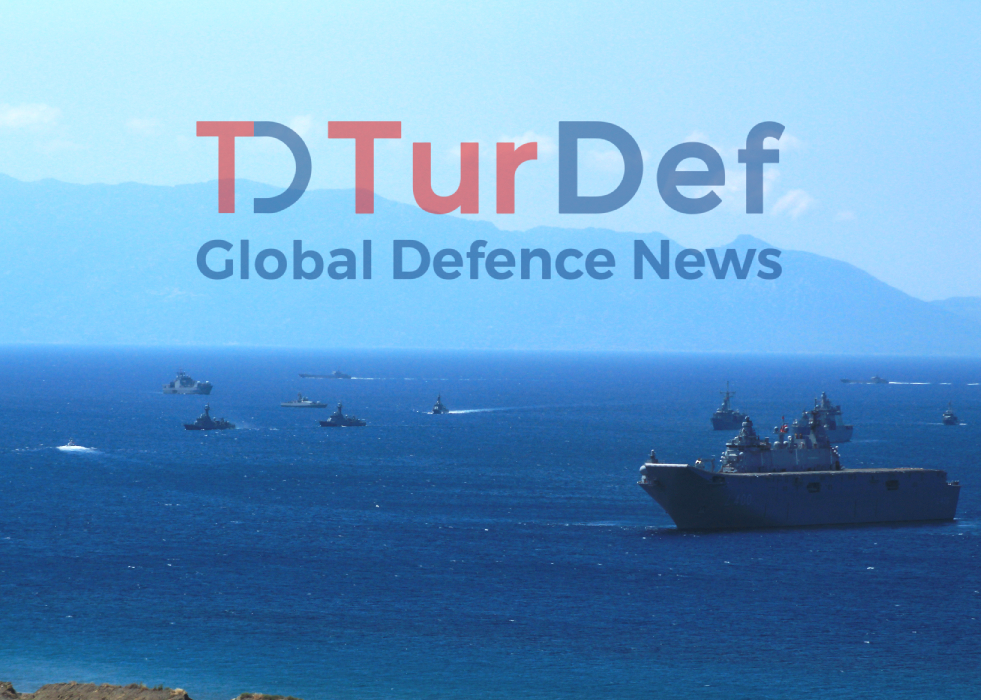
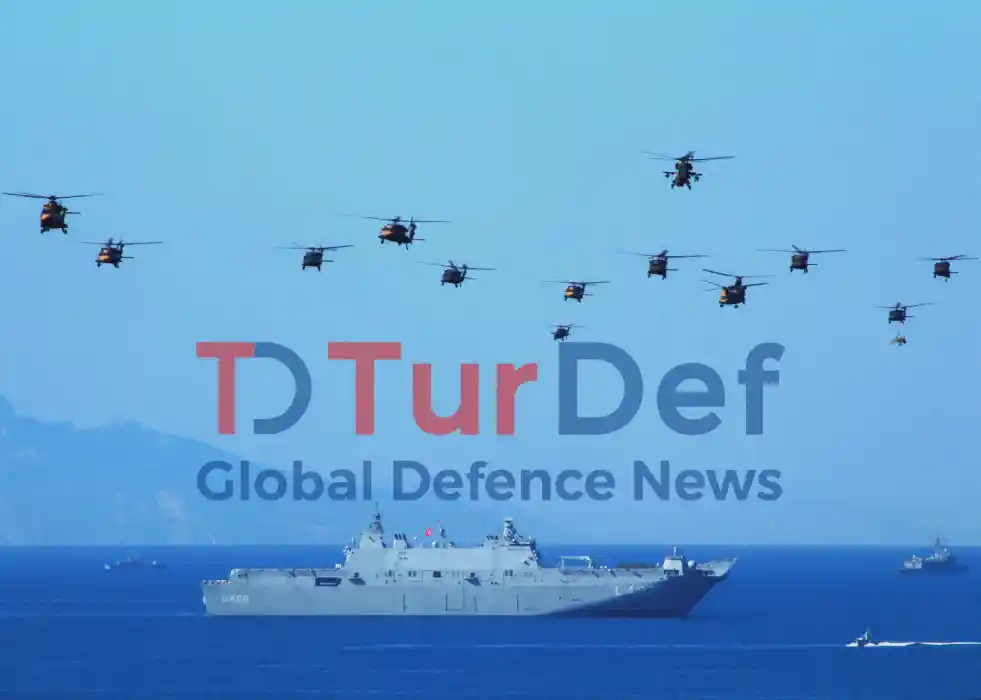
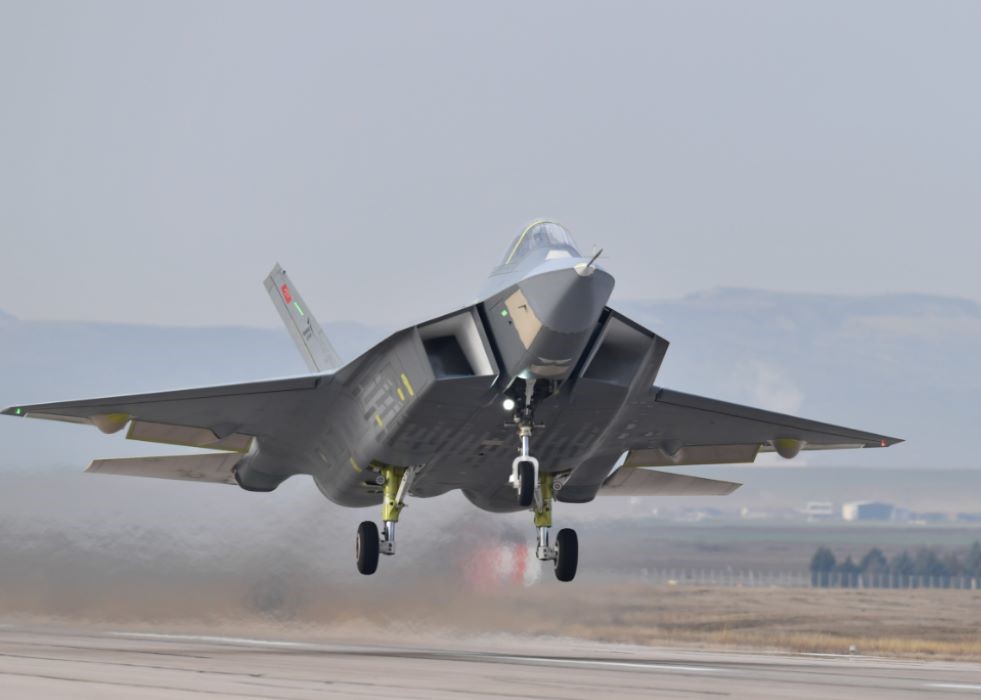
The National Ship (Millî Gemi / MilGem) Programme, which was initiated with the construction of Ada-Class Corvettes, is currently ongoing with the construction of Istif-Class Frigates. The subsequent class is the TF-2000 Air Defence Destroyers. The Turkish Navy has gained the capability to conduct full amphibious operations with the TCG Anadolu (L 400) and her air assets. The force is currently in the process of acquiring aircraft carriers.
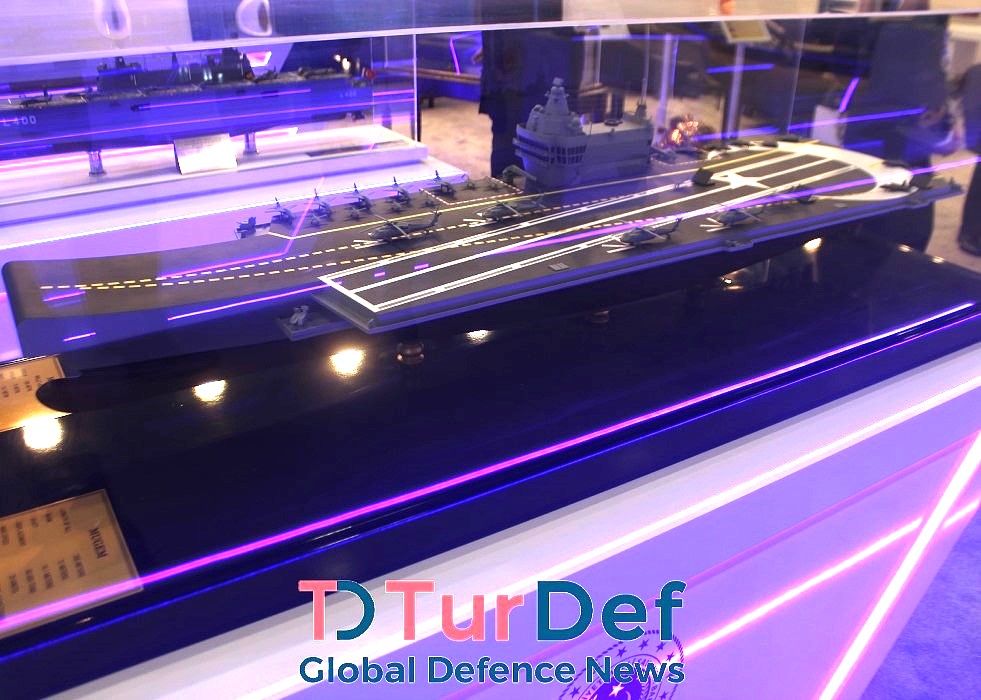
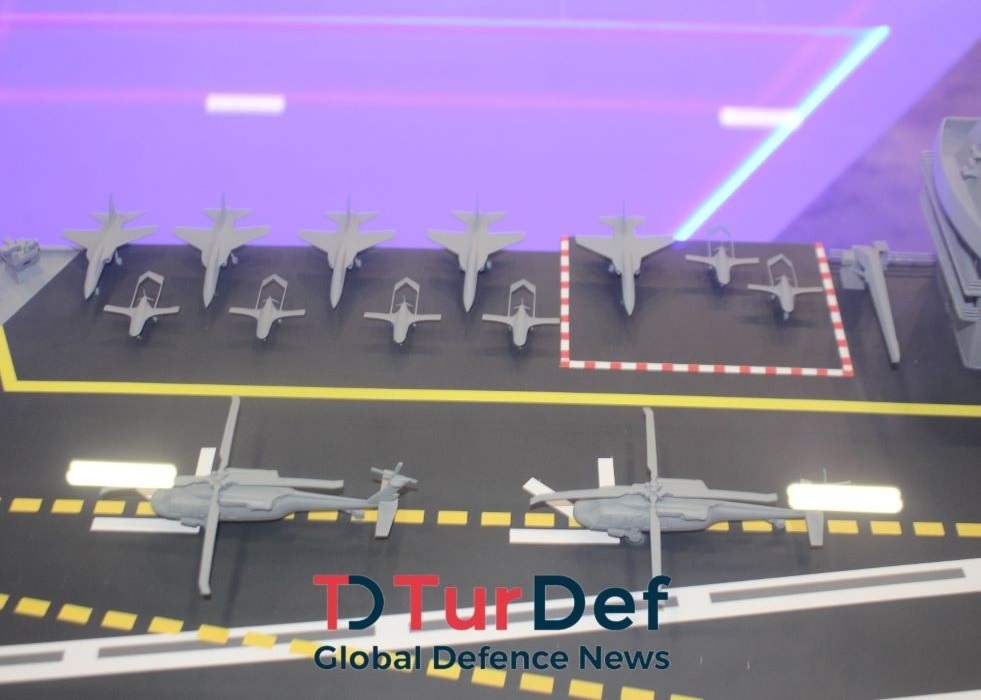
The concept of a domestic aircraft carrier, designated MUGEM, is not novel occurrence for Turkiye. The history of the process can be traced back to the TCG Anadolu LHD Project period. The programme is currently being advanced under the responsibility of the Design Project Office (DPO), with a team of 200 people and engineering support from domestic companies. This will enable the Turkish Navy to enhance its capacity for airpower projection for overseas operations significantly.
When considering domestic aircraft carrier projects, it is pertinent to open a small parenthesis here. In recent years, the United Kingdom and Turkiye have considered the procurement of the HMS Ocean (L12) LPH platform. The ship's fixed-wing aircraft operating capability is extremely limited due to the absence of a ski-jump on the bow section required for jets to take off at full load from the flight deck. One of the most important questions was whether it would be possible to transport only Harrier STOVL (Short Take-off / Vertical Landing) jets, or to take off with a very low load, given the runway's insufficient length. Nevertheless, there was debate at that time as to whether the LPH would be a significant force multiplier for the Turkish Navy. Investigations revealed oil leaks and other mechanical issues in the power transmission system. It was found that the structural elements had been cut, which significantly reduced their load-bearing capacity. Additionally, it is noted that the old, neglected two-stroke main engines are unable to meet modern navigation economy requirements and that the machine control system (MCS) is inactive. This results in limited communication with the bridge. In this situation, it is pointed out that the platform will not provide the desired benefits and that any improvements would be very expensive.
The design has been finalised following the completion of the hull form and flight deck studies in the MUGEM Programme, and the project has now moved into the construction planning phase. The ship will be constructed in six main sections: the stern, the mid-stern, the midship joint, the mid-bow, the bow, the island and the flight deck. As mentioned in our comprehensive MUGEM analysis article, published in October 2024 and accessible via the provided link, the ship is to be built using a programme similar to that employed for the construction of the Royal Navy's Queen Elizabeth-Class Aircraft Carriers, thereby accelerating the process. It is intended to be constructed using a programme similar to that followed in the construction of the Royal Navy's Queen Elizabeth-Class Aircraft Carriers, thereby accelerating the process. In fact, at this point, it is planned to surpass the milestones achieved by UK shipyards in terms of size and tonnage, which would be a significant achievement for Turkish military shipbuilding.
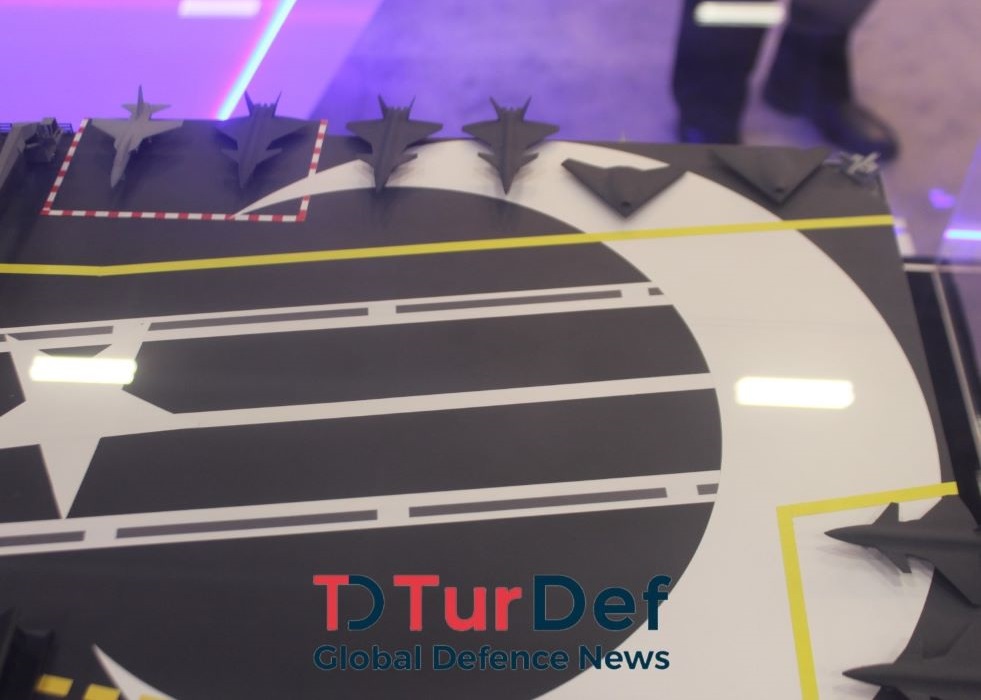
The steel hull is scheduled to be launched under the MUGEM Programme in 2028. The vehicle will proceed to the fitting stage after this date. An innovative approach is being considered to accelerate the process. Given their considerable size and displacement, it is inevitable that the blocks and other components will occupy a significant area at the Istanbul Shipyard Command. In order to prevent any disruption to the already intensive Turkish Military Shipbuilding Programme due to the anticipated congestion and backlog, the aim is for MUGEM to build itself. All necessary installations and components will be manufactured on board and directly integrated with the temporary workshops to be set up in the hangar section, which is quite spacious and high-volume, resulting in savings in terms of logistics, capacity and time.
The ambitious delivery dates being discussed, such as 2035, necessitate significant advances such as block construction and shipbuilding itself. At this juncture, it is also beneficial to examine foreign examples. The design, construction and fitting of the Royal Navy's Queen Elizabeth-Class ships were completed over a period of 15 years, divided into five-year phases. The duration of the design, construction and fitting processes was five years for each. For the FS Charles de Gaulle (R 91), this period was recorded as a seven-year construction period following the steel-cutting ceremony. In consideration of the aforementioned examples, the planned schedule presents a challenging path that is replete with numerous difficulties for Turkish military shipbuilding.
Technical Specifications and Seaworthiness
The genesis of MUGEM studies can be traced to the recognition of the necessity for air power projection, a necessity that arose in the context of Ankara's evolving interests in the region and at sea. The planned dimensions for the platform, which is to have a single mast in the centre, are 285 metres in length, 72 metres in width and 10.1 metres draught. The vessel is expected to reach a maximum speed of 25 knots. Her propulsion system will consist of four gas turbine engines and electric motors arranged in a COGAG-E configuration. Despite the fact that the preferred combination has higher fuel consumption in comparison with the CODAG system, which is favoured in the Ada and Istif Class vessels, it is important to acknowledge that the necessary power in terms of size and displacement is attained through the preferred structure in convantional propulsion. On the other hand, it is known that COGAG-E also has various advantages in terms of acoustic signature and vibration. According to official sources, the installed capacity will consist of four General Electric LM2500 units, with each unit having a capacity of 23 megawatts. The drive mechanism is to be facilitated by dual-shaft combination and pitch-controllable propellers. Consequently, during the operational stage, shaft revolutions are to be maintained at a consistent rate over specific intervals. This is done in order to avoid any fluctuations and to ensure optimal fuel efficiency. Additionally, in situations requiring reverse thrust, the propeller drive direction can be quickly adjusted without the shafts needing to come to a all stop. This is a minor yet significant detail that serves to reduce the ship's stopping distance and enhance her manoeuvrability.
The ship, with a displacement tonnage of 60,000, will be powered by a COGAG-E (Combined Gas and Gas-Electric) configuration. The utilisation of two gas turbines is intended to ensure fuel economy and reduce consumption during operation. It can be posited that the installed capacity is actually excessive for the vessel's economic cruising requirements. Of course, as might be expected, a certain amount of power is also required to drive all the electrical and electronic infrastructure on board the ship. Moreover, when full-speed requirements are also taken into account, the result indicates four LM 2500 gas turbines.
Although gas turbine engines are advantageous in terms of vibration and noise emissions, they are inefficient systems for low speeds. The cruising speed specified for MUGEM inevitably incurs high costs in terms of fuel economy for gas turbines. For this reason, the propulsion cycle was designed to incorporate electric drive. The PTI-PTO (Power Transfer In-Out) structure facilitates the generation of electricity as the shaft undergoes rotation. The energy obtained from this process will be utilised to power the electric motors and to meet other energy requirements. The PTI-PTO (Power Transfer In-Out) structure facilitates the generation of electricity as the shaft undergoes rotation. The energy obtained from this process will be utilised to power the electric motors and to meet other energy requirements.
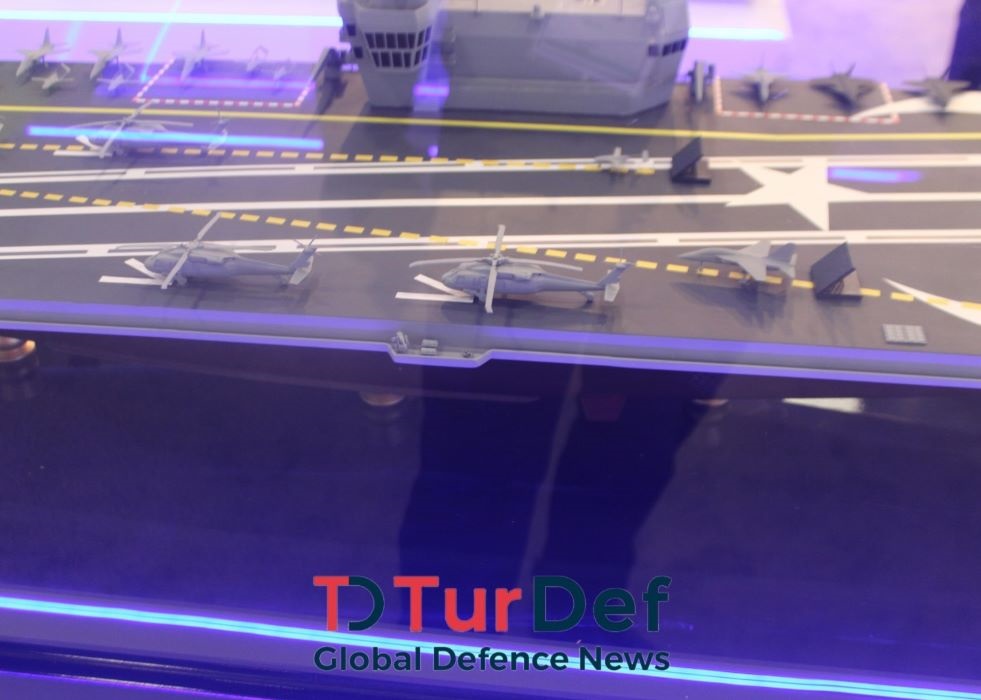
In situations requiring high speed, the other two engines will be engaged to reach 25 knots. In addition, design visuals and mock-ups reveal the presence of various hardware components designed to enhance vessel stability during operation. In addition to four moving stabilisers, two located on the port side and two on the starboard side in the middle section of the hull, there are fins extending the full length of the structure between the two assemblies. This configuration is designed to ensure uninterrupted operational capability, even in conditions of Sea State 6. In other words, the Turkish Navy's operational capabilities are set to be augmented by the ship's robust, stable structure, which will enable uninterrupted aircraft operations in conditions characterised by wind speeds of 22 to 27 knots and wave heights of 4 to 6 metres, when required.
The Turkish aircraft carrier, upon reaching operational maturity, will possess an expected range of 10,000 nautical miles at a speed of 14 knots, representing a substantial increase in range over her initial operational capability. This equates to approximately 30 days of operational capability without replenishment. According to the available data, the vessel will be equipped with replenishment at sea (RAS) capability, in line with the majority of contemporary vessels. It has been developed to ensure a total operational duration of 60 days.
It can be posited that the Design Project Office drew significantly on its prior experience during the hull design phase of the ship. Thanks to multiple and measured optimisation efforts, the vessel's important capabilities such as seaworthiness, stability, steadiness and manoeuvrability have been maximised. In addition, the specially designed bulb structure developed for the bow of the vehicle reduces acoustic noise while also aiming for a 1.5% saving in fuel consumption. The hydrodynamic efficiency was increased by reducing the drag coefficient in the MUGEM with an extended water line. The implementation of the raised bulb configuration resulted in a reduction of resistance, attributable to a decrease in parasitic forces. The structure, which was tested for the first time on a indigenous aircraft carrier, also brought acoustic improvements. The incorporation of a bow thruster into the platform's design is intended to enhance the vessel's manoeuvrability and ensure enhanced safety during port operations.
Crew Capacity
It is anticipated that the operation of MUGEM will require between 400 and 500 crew members. The total capacity of the ship's living quarters is expected to be around 800. It is highly probable that the difference of approximately 300 personnel will be utilised for pilots, air unit technicians and maintenance personnel as well as special forces units.
The establishment of medical infrastructure at Role 2 level is also to be initiated on board the ship. This will enable basic surgical procedures to be performed when necessary. In addition to equipment that is vital at sea, such as a dental clinic, intensive care facilities, X-ray equipment, a basic laboratory and a well-equipped infirmary, are also likely to be present. Looking at the overall picture, it can be concluded that MUGEM will ultimately exhibit a structural design analogous to that of TCG Anadolu (L 400), characterised by a substantial degree of self-sufficiency.
Author: Özgür Ekşi
You may read previous episodes about DPO and TF-2000 from here.